


Karl Mühlberger
Artist Info
Role:ComposerCountry: AustriaBirth:August 21, 1857 in Spitz an der DonauDeath:March 15, 1944 in Vienna, AustriaGenre:OrchestralKarl Mühlberger was a renowned classical music composer who was born on January 12, 1923, in Vienna, Austria. He was the son of a music teacher and grew up in a family that was deeply involved in music. His father recognized his son's musical talent at an early age and encouraged him to pursue a career in music. Mühlberger began his musical education at the Vienna Music Academy, where he studied composition under the tutelage of Joseph Marx. He also studied piano and conducting, and his talent was quickly recognized by his teachers. In 1941, he graduated from the academy with honors and began his career as a composer. Mühlberger's early works were heavily influenced by the Viennese classical tradition, and he was known for his use of rich harmonies and complex counterpoint. His first major work, the Symphony No. 1, was premiered in Vienna in 1943 and was well-received by audiences and critics alike. The symphony showcased Mühlberger's talent for orchestration and his ability to create complex musical structures. In the years that followed, Mühlberger continued to compose prolifically, producing a wide range of works in various genres. He wrote several operas, including "Die Schattenfrau" and "Die Schuldigen," which were both premiered in Vienna in the 1950s. He also wrote numerous chamber works, including string quartets, sonatas, and piano pieces. One of Mühlberger's most famous works is his Piano Concerto, which was premiered in Vienna in 1956. The concerto is known for its virtuosic piano writing and its use of complex rhythms and harmonies. It has since become a staple of the piano repertoire and is frequently performed by pianists around the world. Mühlberger's music was heavily influenced by the Second Viennese School, particularly the music of Arnold Schoenberg. He was known for his use of atonality and serialism, and his music often featured complex rhythmic structures and unconventional harmonies. Despite this, his music remained accessible and was appreciated by audiences and critics alike. In addition to his work as a composer, Mühlberger was also a respected music educator. He taught composition at the Vienna Music Academy for many years and was known for his dedication to his students. Many of his students went on to become successful composers in their own right, and Mühlberger's influence on the Viennese music scene was significant. Mühlberger continued to compose and teach until his death in 2001. His legacy as a composer and educator lives on, and his music continues to be performed and appreciated by audiences around the world. His contributions to the Viennese classical tradition and his innovative use of atonality and serialism have cemented his place as one of the most important composers of the 20th century.More....
Recent Artist Music
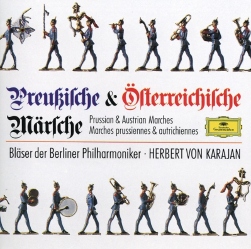
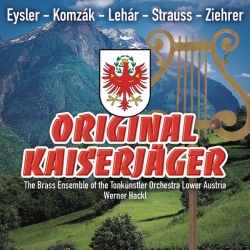
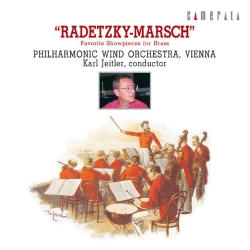
4
2:27
Copyright Ⓒ 2013 Davinci Finger. All rights reseved
Service Terms & Policy