


Philip Sawyers
Released Album
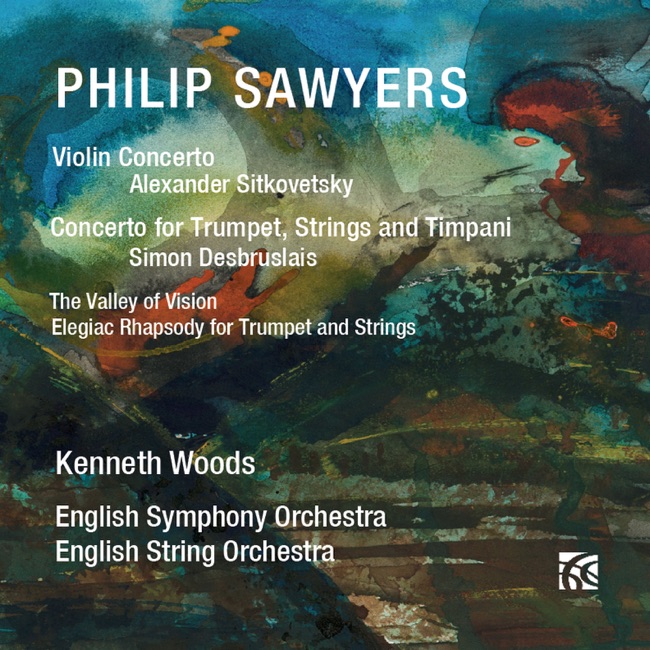
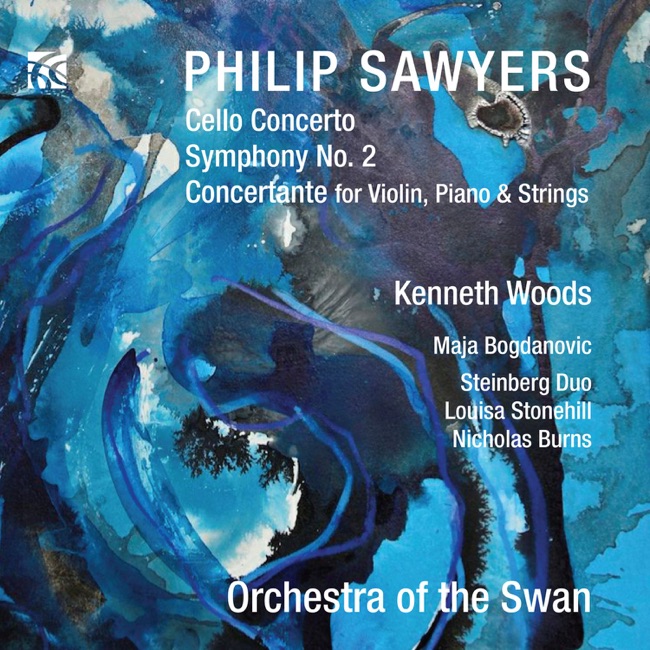
Concerto
Vocal
Artist Info
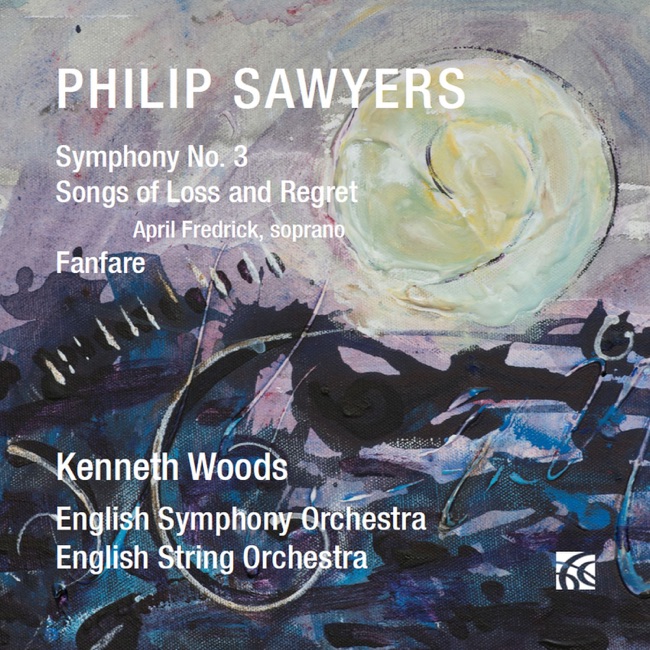
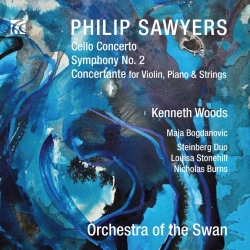
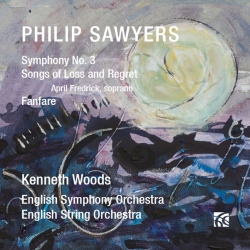
Role:ComposerBirth:1951 in London, EnglandPhilip Sawyers is a British composer who has made a significant contribution to the world of classical music. Born on April 9, 1951, in London, Sawyers grew up in a family of musicians. His father was a professional violinist, and his mother was a pianist. Sawyers started playing the piano at the age of five and later learned to play the violin and the viola. Sawyers attended the Royal College of Music in London, where he studied composition with Edmund Rubbra and conducting with Norman Del Mar. After completing his studies, Sawyers worked as a freelance composer and conductor, writing music for various ensembles and orchestras. Sawyers' music is characterized by its emotional depth, technical complexity, and rich orchestration. His compositions draw on a wide range of influences, including the music of Beethoven, Mahler, and Shostakovich, as well as jazz and folk music. One of Sawyers' early works, the Symphony No. 1, was premiered in 1986 by the Royal Philharmonic Orchestra. The symphony is a powerful and dramatic work that showcases Sawyers' skill as an orchestrator. The piece is divided into four movements, each of which explores a different mood and musical theme. In 1990, Sawyers wrote his Piano Concerto, which was premiered by the BBC Symphony Orchestra. The concerto is a virtuosic work that showcases the soloist's technical abilities. The piece is characterized by its rhythmic complexity and its use of jazz and blues harmonies. Sawyers' Symphony No. 2, which was premiered in 1999 by the Royal Scottish National Orchestra, is a deeply emotional work that explores themes of loss and redemption. The symphony is divided into three movements, each of which is characterized by its intense emotional power. In 2003, Sawyers wrote his String Quartet No. 2, which was premiered by the Maggini Quartet. The quartet is a complex and challenging work that showcases Sawyers' skill as a composer. The piece is characterized by its intricate counterpoint and its use of unconventional harmonies. Sawyers' Symphony No. 3, which was premiered in 2011 by the English Symphony Orchestra, is a powerful and dramatic work that explores themes of conflict and resolution. The symphony is divided into four movements, each of which is characterized by its intense emotional power. In addition to his orchestral and chamber music, Sawyers has also written a number of vocal works, including his song cycle Songs of Loss and Regret, which was premiered in 2015 by the baritone Roderick Williams and the Carducci Quartet. The song cycle is a deeply emotional work that explores themes of love, loss, and regret. Sawyers' music has been performed by many of the world's leading orchestras and ensembles, including the London Symphony Orchestra, the BBC Symphony Orchestra, and the Royal Philharmonic Orchestra. His music has also been recorded by a number of leading record labels, including Naxos, Chandos, and Toccata Classics. In addition to his work as a composer, Sawyers has also been active as a conductor. He has conducted many of his own works, as well as works by other composers, with a number of leading orchestras and ensembles. Sawyers has received many awards and honors for his work as a composer, including the British Composer Award for his Symphony No. 3 in 2012. He has also been awarded the Ivor Novello Award for Classical Music and the BASCA Gold Badge Award for his contribution to British music.More....
Recent Artist Music
Copyright Ⓒ 2013 Davinci Finger. All rights reseved
Service Terms & Policy