


Manuel de Elías
Released Album
Keyboard
-
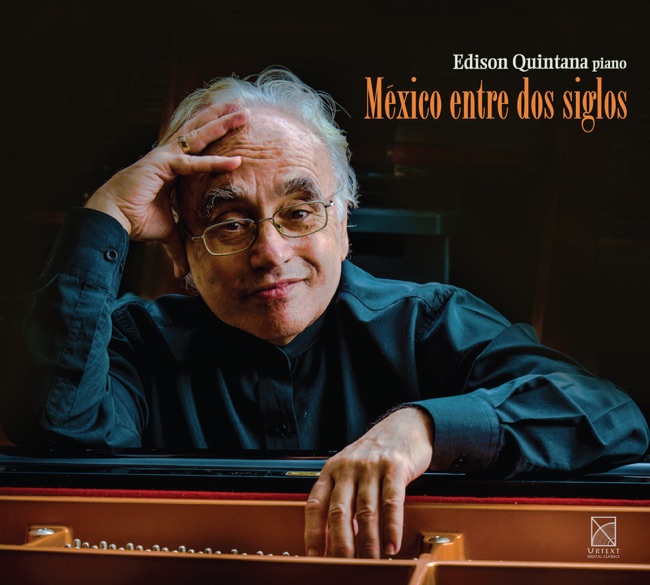 July 31, 2015
Chamber
-
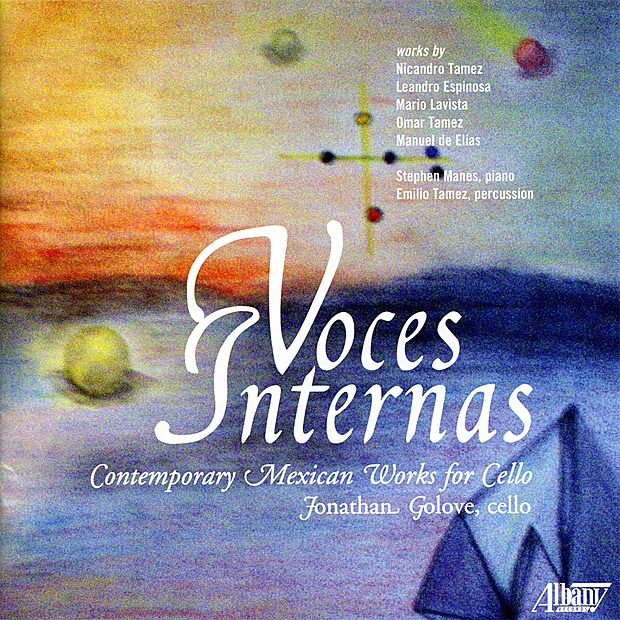 December 14, 2010
Artist Info
Role:ComposerManuel de Elías was a Mexican composer and conductor who was born on January 28, 1937, in Mexico City. He was the son of a Spanish father and a Mexican mother, and he grew up in a musical family. His father was a pianist and his mother was a singer, and they both encouraged him to pursue a career in music. Elías began his musical studies at a young age, and he showed a natural talent for the piano. He studied at the National Conservatory of Music in Mexico City, where he was a student of Carlos Chávez, one of Mexico's most prominent composers. He also studied with other notable musicians, including Rodolfo Halffter and Olivier Messiaen. In 1960, Elías traveled to Europe to continue his studies. He studied composition with Nadia Boulanger in Paris and conducting with Hans Swarowsky in Vienna. He also attended the Darmstadt Summer Courses for New Music, where he was exposed to the latest developments in contemporary music. Elías returned to Mexico in 1963 and began his career as a composer and conductor. He was appointed the conductor of the National Symphony Orchestra of Mexico, a position he held for several years. He also taught at the National Conservatory of Music and the National Autonomous University of Mexico. Elías's music is characterized by its use of Mexican folk music and its incorporation of contemporary techniques. He was influenced by the music of Carlos Chávez, as well as by the music of Stravinsky, Bartók, and Messiaen. His works include orchestral music, chamber music, vocal music, and music for the theater. One of Elías's most famous works is his Symphony No. 1, which was composed in 1964. The symphony is in three movements and is based on Mexican folk music. The first movement, "Allegro con brio," is based on the huapango, a traditional Mexican dance. The second movement, "Andante," is a lyrical piece that features a solo violin. The third movement, "Allegro," is a lively dance that incorporates elements of the son jarocho, a traditional Mexican style of music. Another notable work by Elías is his String Quartet No. 1, which was composed in 1970. The quartet is in four movements and is based on Mexican folk music. The first movement, "Allegro," is based on the son huasteco, a traditional Mexican style of music. The second movement, "Andante," is a lyrical piece that features a solo cello. The third movement, "Scherzo," is a lively dance that incorporates elements of the son jarocho. The fourth movement, "Allegro con brio," is based on the huapango. Elías also composed music for the theater, including the ballets "El jardín de las delicias" and "El hombre y la bestia." He also composed music for films, including "El ángel exterminador" and "El topo." In addition to his work as a composer, Elías was also a conductor. He conducted the National Symphony Orchestra of Mexico, as well as orchestras in Europe and the United States. He was known for his interpretations of the music of Mexican composers, as well as for his performances of contemporary music. Elías received numerous awards and honors for his work as a composer and conductor. He was awarded the National Prize for Arts and Sciences in the Fine Arts in 1993, and he was inducted into the Mexican Academy of Arts in 1995. He also received the Order of the Aztec Eagle, Mexico's highest honor for foreigners. Manuel de Elías died on January 24, 2015, in Mexico City. He was 77 years old.More....
Recent Artist Music
Copyright Ⓒ 2013 Davinci Finger. All rights reseved
Service Terms & Policy