


Franz Biebl
Released Album
Choral
-
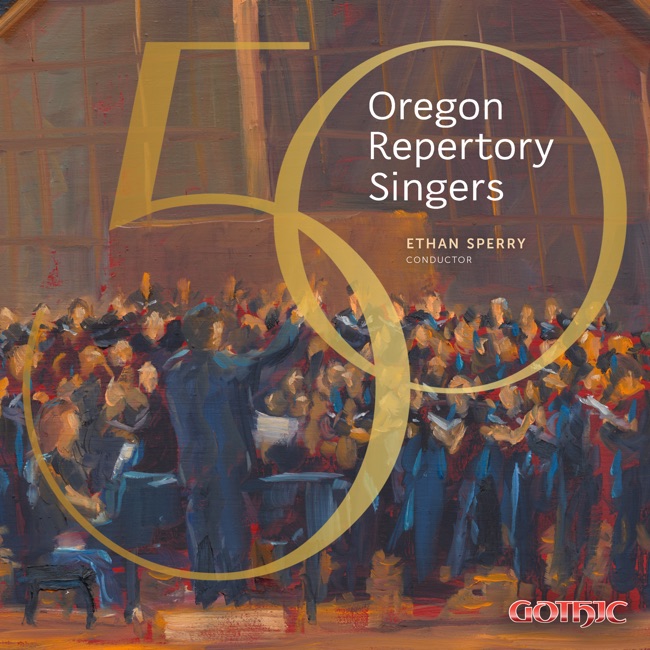 January 5, 2024
 -
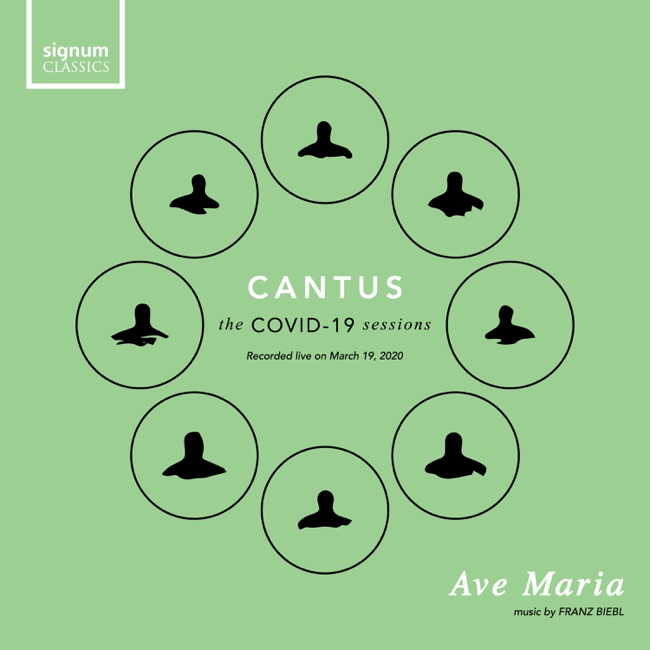 December 10, 2020
 -
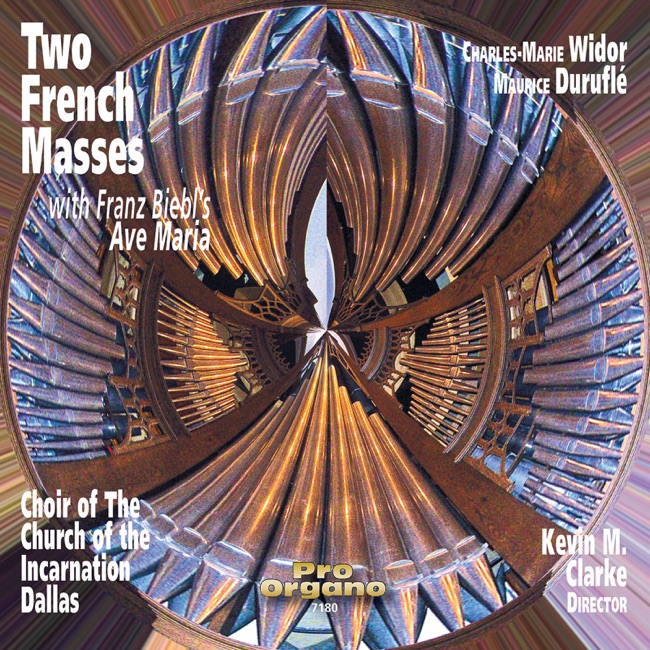 August 7, 2020
 -
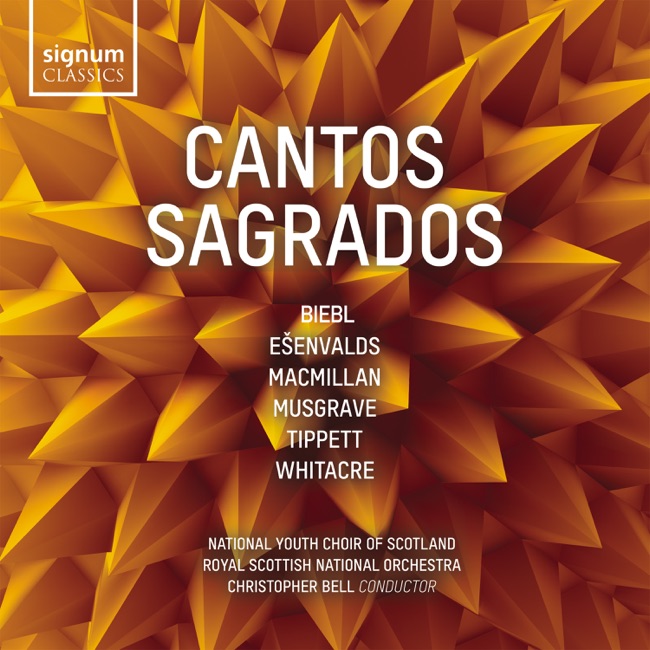
-
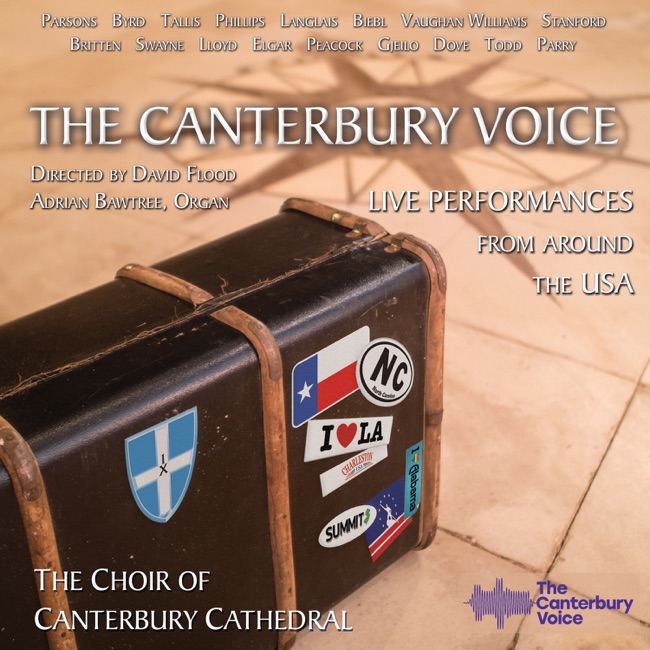 July 23, 2018
 -
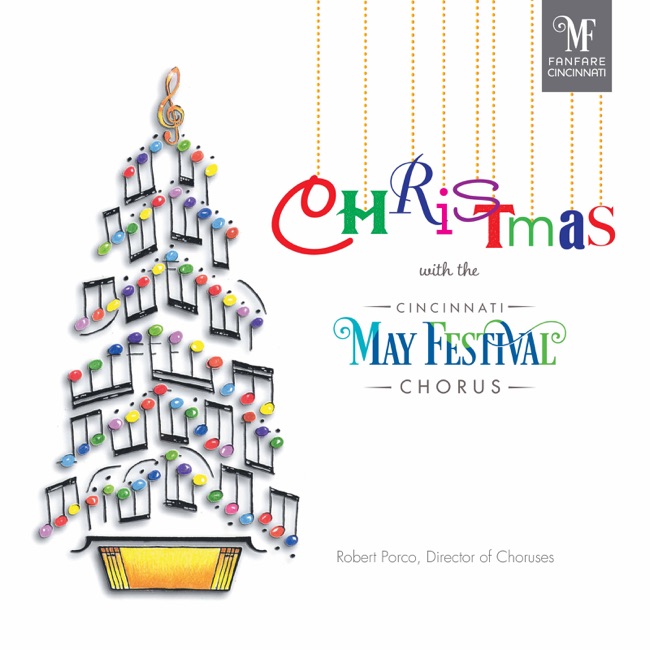 October 6, 2017
Miscellaneous
-
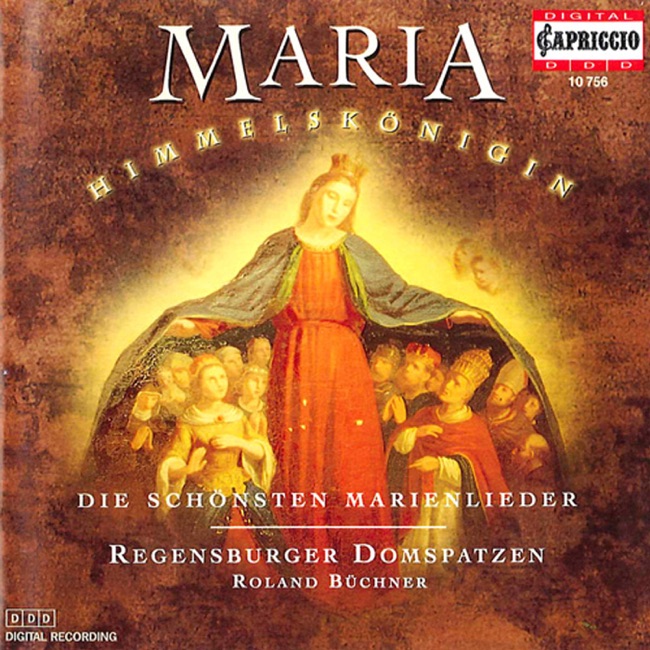 October 7, 1997
Artist Info
Role:ComposerBirth:September 1, 1906 in GermanyDeath:October 2, 2001 in Munich, GermanyPeriod:ContemporaryModernGenre:ChoralFranz Biebl was a German composer of classical music, born on September 1, 1906, in Pursruck, Bavaria. He was the son of a schoolteacher and grew up in a musical family. His father played the organ and his mother sang in the church choir. Biebl began playing the piano at a young age and showed a talent for music early on. Biebl studied music at the State Academy of Music in Munich, where he focused on composition and conducting. He also studied at the Mozarteum in Salzburg, Austria, where he was influenced by the music of Mozart and other classical composers. After completing his studies, Biebl worked as a conductor and music teacher in various cities in Germany. Biebl's early compositions were influenced by the music of the Romantic era, with lush harmonies and sweeping melodies. He also drew inspiration from the folk music of Bavaria, incorporating traditional melodies and rhythms into his compositions. One of his early works, the "Bavarian Folk Song Suite," was a collection of traditional Bavarian songs arranged for orchestra. In the 1930s, Biebl became interested in choral music and began composing works for choir. He was particularly drawn to the music of the church, and many of his choral works were based on religious texts. One of his most famous works, the "Ave Maria," was written in 1964 and has become a staple of the choral repertoire. The "Ave Maria" is a stunning piece of music, with lush harmonies and soaring melodies. It is written for a mixed choir, with a solo quartet singing the main melody. The piece begins with a simple melody sung by the solo quartet, which is then taken up by the choir. The harmonies build and become more complex as the piece progresses, culminating in a powerful climax. Biebl's other choral works are equally impressive, with rich harmonies and intricate counterpoint. His "Kyrie" and "Gloria" from the "Missa Brevis" are particularly noteworthy, with complex rhythms and soaring melodies. Biebl's choral music has been performed by choirs around the world and has become a staple of the choral repertoire. In addition to his choral works, Biebl also composed instrumental music, including works for orchestra and chamber ensembles. His "Concerto for Trumpet and Orchestra" is a particularly impressive work, with virtuosic trumpet solos and lush orchestration. Biebl's music has been praised for its beauty and emotional depth. His use of rich harmonies and soaring melodies creates a sense of grandeur and majesty, while his use of folk melodies and rhythms adds a touch of warmth and familiarity. His choral works, in particular, have become beloved by choirs and audiences around the world. Biebl died on October 2, 2001, at the age of 95. His legacy lives on through his music, which continues to be performed and enjoyed by musicians and audiences alike. His contributions to the world of classical music have been significant, and his music will continue to inspire and move people for generations to come.More....


Copyright Ⓒ 2013 Davinci Finger. All rights reseved
Service Terms & Policy