


Britta Byström
Released Album
Concerto
-
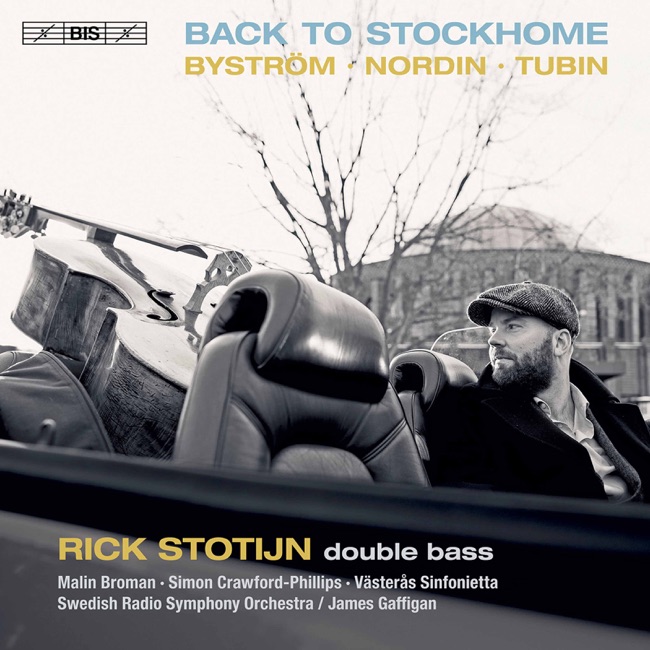 July 2, 2021
 -
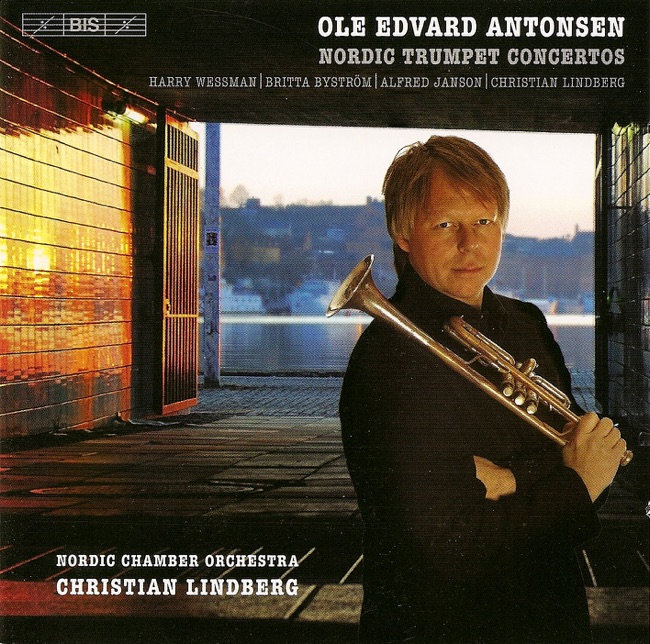 August 28, 2007
Orchestral
-
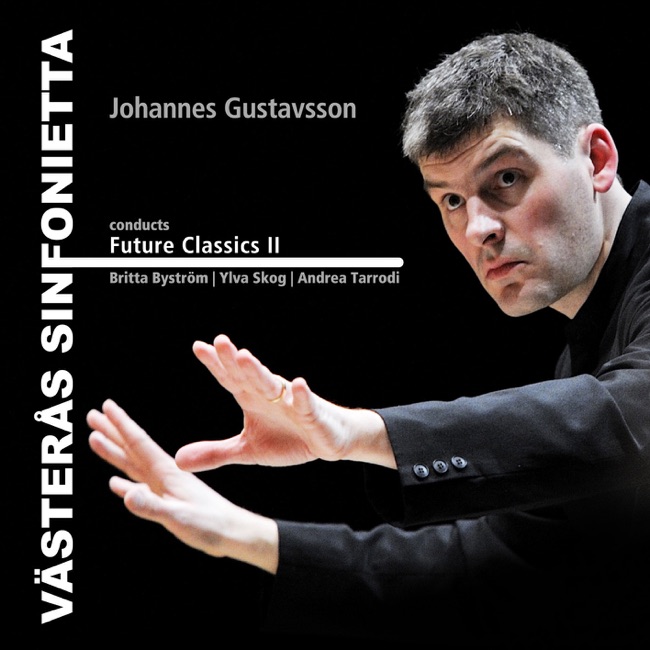 April 30, 2013
 -
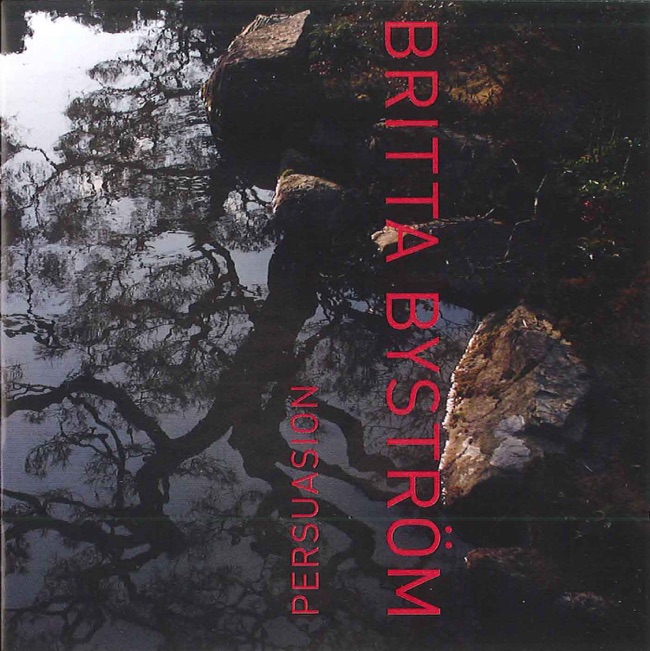 May 14, 2008
Artist Info
Role:ComposerBirth:1977Britta Byström is a Swedish composer who was born on December 29, 1977, in Stockholm, Sweden. She grew up in a family of musicians, with her mother being a pianist and her father a composer. Byström started playing the piano at a young age and later learned to play the violin and the viola. She attended the Royal College of Music in Stockholm, where she studied composition with Pär Lindgren and Hans Gefors. Byström's music is characterized by its emotional intensity and its exploration of the human condition. She often draws inspiration from literature, art, and nature, and her works are known for their evocative titles and vivid imagery. Her compositions range from solo pieces to large-scale orchestral works, and she has also written music for film and theater. One of Byström's early works is her String Quartet No. 1, which she composed in 2002. The piece is a haunting exploration of the theme of death, and it features a wide range of textures and moods. The quartet was premiered by the Kungsbacka Piano Trio at the Stockholm New Music Festival in 2003 and has since been performed by ensembles around the world. In 2005, Byström composed her first orchestral work, the tone poem "Höstsonaten" (Autumn Sonata), which was inspired by the Ingmar Bergman film of the same name. The piece is a powerful meditation on the themes of love, loss, and reconciliation, and it features a lush, Romantic-style orchestration. "Höstsonaten" was premiered by the Swedish Radio Symphony Orchestra under the direction of Daniel Harding and has since been performed by orchestras in Europe and the United States. Byström's music often explores themes of gender and identity, and this is particularly evident in her opera "Den döda flickan" (The Dead Girl), which she composed in 2010. The opera tells the story of a young girl who is murdered and the impact of her death on those around her. The piece features a libretto by the Swedish writer Kerstin Perski and was premiered by the Royal Swedish Opera in Stockholm. "Den döda flickan" received critical acclaim for its powerful music and its sensitive treatment of a difficult subject. In 2013, Byström composed "Afrodite" for the Swedish Radio Symphony Orchestra. The piece is a tribute to the Greek goddess of love and beauty and features a solo violin representing Afrodite. The work is characterized by its lush, Romantic-style harmonies and its evocative use of orchestral color. "Afrodite" was premiered by the Swedish Radio Symphony Orchestra under the direction of Susanna Mälkki and has since been performed by orchestras in Europe and the United States. Byström's music often explores the intersection of the natural world and human experience, and this is particularly evident in her piece "Leaves of Grass," which she composed in 2015. The work is a setting of Walt Whitman's poem of the same name and features a soprano soloist and a chamber ensemble. The piece is characterized by its delicate, ethereal textures and its evocative use of vocal and instrumental color. "Leaves of Grass" was premiered by the Swedish ensemble Musica Vitae and has since been performed by ensembles around the world. In 2018, Byström composed "In luce," a work for orchestra and electronics that explores the theme of light. The piece features a shimmering, otherworldly sound world and is characterized by its use of electronic manipulation of acoustic sounds.More....
Recent Artist Music
Copyright Ⓒ 2013 Davinci Finger. All rights reseved
Service Terms & Policy