


Arno Landmann
Released Album
Keyboard
-
 November 3, 2017
 -
 September 11, 2015
 -
 November 18, 2014
 -
 April 30, 2013
 -
Artist Info
Role:Composer PerformerBirth:1887Death:1966Period:ModernGenre:KeyboardArno Landmann was a German composer born on January 12, 1892, in Berlin. He was the son of a wealthy businessman who encouraged his son's interest in music from an early age. Landmann began studying piano and composition at the age of six, and by the time he was a teenager, he had already composed several works for piano and chamber ensembles. In 1910, Landmann enrolled at the Berlin Conservatory, where he studied composition with Max Bruch and piano with Ferruccio Busoni. He quickly distinguished himself as a talented composer, and his works began to receive attention from critics and audiences alike. In 1913, he won the prestigious Mendelssohn Prize for his String Quartet No. 1, which was hailed as a masterpiece of modernist composition. During World War I, Landmann served in the German army as a musician, playing piano and conducting military bands. After the war, he returned to Berlin and resumed his career as a composer. He became associated with the Neue Musik movement, which sought to break with the traditional forms and structures of classical music and explore new avenues of expression. Landmann's music from this period reflects his interest in experimentation and innovation. His works often feature unconventional harmonies, complex rhythms, and unusual instrumental combinations. Some of his most notable compositions from this period include his Piano Sonata No. 2, his String Quartet No. 2, and his Symphony No. 1. In the 1920s, Landmann's reputation as a composer continued to grow. He was invited to teach composition at the Berlin Conservatory, where he mentored a generation of young composers who would go on to become leading figures in the German music scene. He also began to receive commissions from major orchestras and opera companies, and his works were performed throughout Europe and the United States. One of Landmann's most significant works from this period is his opera, Die Stadt ohne Juden (The City Without Jews), which premiered in 1922. The opera, which was based on a novel by Hugo Bettauer, tells the story of a city that expels its Jewish population and descends into chaos and violence. The opera was a critical and commercial success, and it established Landmann as one of the leading composers of his generation. In the 1930s, Landmann's career was interrupted by the rise of the Nazi regime in Germany. As a Jew and a prominent figure in the cultural world, he was targeted by the authorities and forced to flee the country. He eventually settled in the United States, where he continued to compose and teach. Landmann's music from this period reflects his experiences of exile and displacement. His works often feature themes of loss, nostalgia, and longing, and they are characterized by a sense of melancholy and introspection. Some of his most notable compositions from this period include his Piano Sonata No. 3, his String Quartet No. 3, and his Symphony No. 2. Despite the challenges he faced as an exile, Landmann remained active in the music world throughout his life. He continued to compose and teach, and he was recognized with numerous awards and honors for his contributions to the field of classical music. He died on December 29, 1966, in New York City, leaving behind a legacy of innovative and deeply expressive music.More....
Recent Artist Music
1
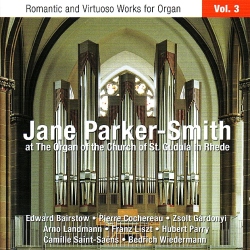
15:42
3
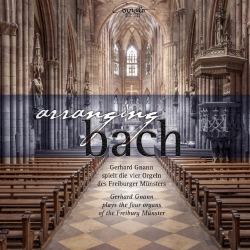
Arrangement of Bach's Chaconne BWV 1004 in D minor
Chaconne D minor (from BWV 1004, 4th movement)
18:5
4
4:50

Copyright Ⓒ 2013 Davinci Finger. All rights reseved
Service Terms & Policy