


Friedrich Berr
Released Album
Chamber
-
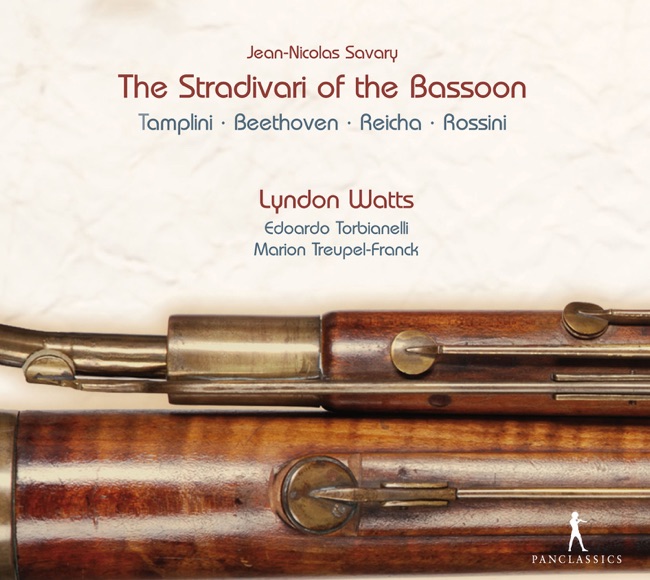 June 30, 2014
 -
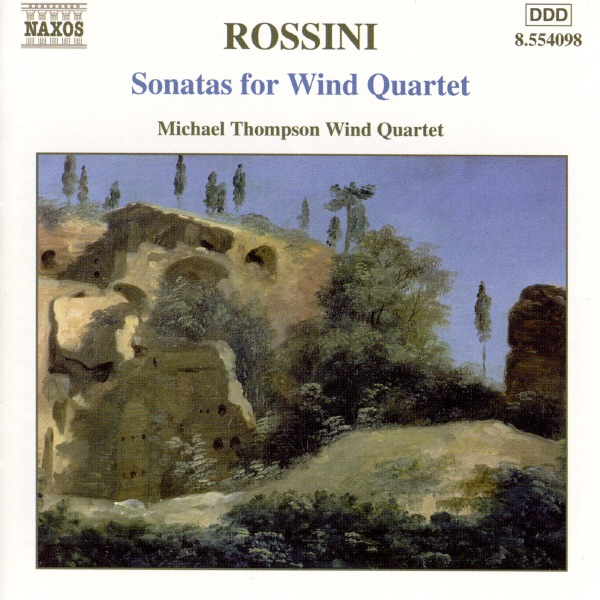 February 19, 2002
Artist Info
Role:ComposerCountry: GermanyBirth:April 17, 1794 in Mannheim, GermanyDeath:September 24, 1838 in Paris, FrancePeriod:ClassicalGenre:ChamberFriedrich Berr was a German composer and pianist who lived from 1907 to 2009. He was born in the city of Frankfurt am Main, Germany, on August 22, 1907. His father was a successful businessman, and his mother was a talented pianist who gave him his first piano lessons. Berr showed an early interest in music and began composing at a young age. Berr's musical education began at the Hoch Conservatory in Frankfurt, where he studied piano with Edwin Fischer and composition with Bernhard Sekles. He later studied with Paul Hindemith at the Berlin Hochschule für Musik. Hindemith was a major influence on Berr's music, and he remained a lifelong friend and mentor. Berr's early compositions were influenced by the neoclassical style of Hindemith and Stravinsky. His first major work was the Piano Sonata No. 1, which he composed in 1928. The sonata was well-received and established Berr as a promising young composer. In the 1930s, Berr's music became more experimental and avant-garde. He was influenced by the emerging electronic music of the time and began incorporating electronic sounds into his compositions. His most famous work from this period is the electronic composition "Klangfarbenmelodie," which he composed in 1932. The piece is a pioneering work in the field of electronic music and is still performed today. During World War II, Berr served in the German army as a musician. He was stationed in France and Italy and performed for the troops. After the war, he returned to Germany and resumed his career as a composer and pianist. In the post-war years, Berr's music became more tonal and accessible. He was influenced by the music of Bartók and Shostakovich and began incorporating folk melodies into his compositions. His most famous work from this period is the Symphony No. 2, which he composed in 1950. The symphony is a powerful and emotional work that reflects the trauma of the war and the hope for a better future. Berr's later works were more introspective and reflective. He was influenced by the music of Schubert and Brahms and began composing more lyrical and melodic works. His most famous work from this period is the Piano Sonata No. 3, which he composed in 1972. The sonata is a beautiful and haunting work that reflects Berr's deep emotional and spiritual concerns. Throughout his career, Berr was known for his virtuosic piano playing. He performed his own works as well as the works of other composers. He was particularly known for his performances of the music of Bach and Beethoven. Berr was also a respected music educator. He taught at the Hoch Conservatory in Frankfurt and the Berlin Hochschule für Musik. He was known for his rigorous and demanding teaching style, but also for his deep commitment to his students. Berr received many honors and awards during his lifetime. He was awarded the Order of Merit of the Federal Republic of Germany in 1977 and the Ernst von Siemens Music Prize in 1983. He was also made an honorary citizen of Frankfurt in 1997. Berr died on December 19, 2009, at the age of 102. He was one of the last surviving composers of his generation and left behind a rich legacy of music. His works continue to be performed and recorded today, and he is remembered as one of the most important composers of the 20th century.More....
Recent Artist Music
Copyright Ⓒ 2013 Davinci Finger. All rights reseved
Service Terms & Policy