


John Cage / Lou Harrison
Released Album
Chamber
-
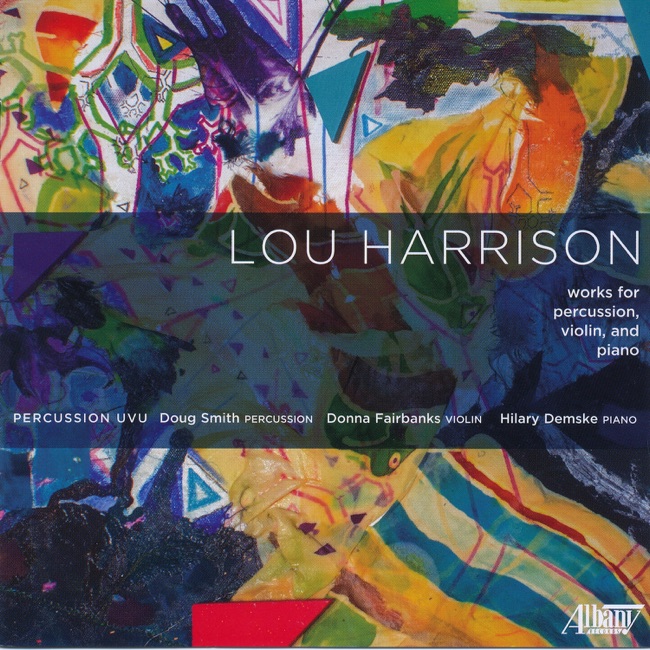 July 23, 2018
 -
 December 8, 2017
 -
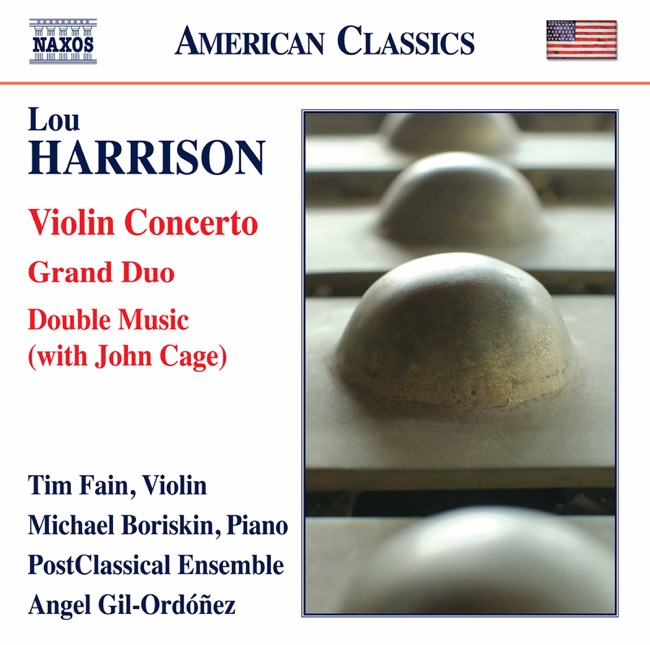
-
 November 4, 2000
 -
 April 1, 2000
 -
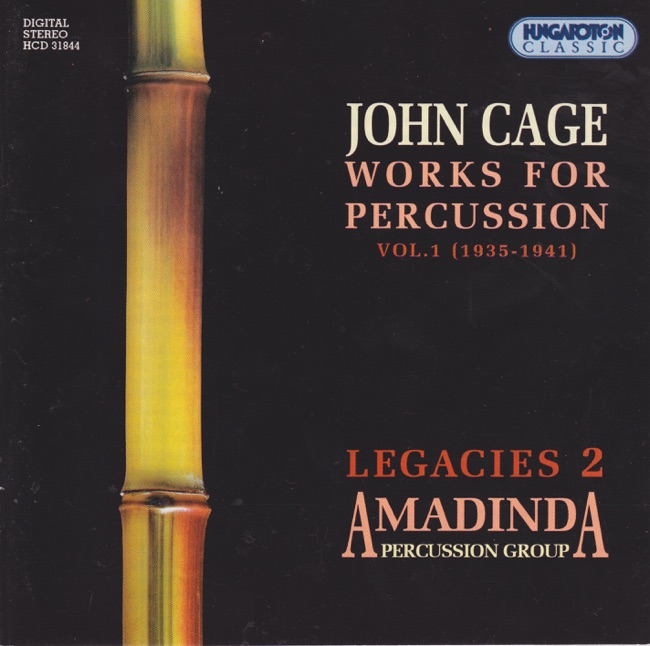 October 6, 1999
Artist Info
Role:ComposerPeriod:ModernGenre:Avant-GardeJohn Cage was an American composer, philosopher, and writer who is widely regarded as one of the most influential figures in 20th-century music. Born in Los Angeles in 1912, Cage began studying music at an early age and went on to study with Arnold Schoenberg in the 1930s. He was known for his experimental approach to composition, which often involved the use of chance operations and unconventional instruments. Cage's early works were heavily influenced by the music of Schoenberg and other European composers, but he soon began to develop his own unique style. In the 1940s, he began experimenting with the use of chance operations in his compositions, which involved using random processes to determine the structure and content of the music. This approach was inspired by the work of the French composer Pierre Boulez, who had used chance operations in his own compositions. One of Cage's most famous works is 4'33", a piece in which the performer sits at a piano for four minutes and thirty-three seconds without playing a note. The piece is meant to draw attention to the sounds of the environment around the performer, rather than the music itself. Cage believed that all sounds were music, and that the role of the composer was to create a framework for those sounds to be heard. Cage's later works continued to explore the use of chance operations and unconventional instruments. He often used found objects, such as radios and household appliances, in his compositions. He also collaborated with dancers and visual artists, creating multimedia works that combined music, dance, and visual art. Lou Harrison was another American composer who was known for his experimental approach to music. Born in Portland, Oregon in 1917, Harrison began studying music at an early age and went on to study with Henry Cowell in the 1930s. He was known for his use of non-Western instruments and tuning systems in his compositions. Harrison's early works were heavily influenced by the music of Cowell and other American composers, but he soon began to develop his own unique style. In the 1940s, he began experimenting with the use of non-Western instruments, such as the gamelan, in his compositions. He also developed his own tuning system, which he called "just intonation," which was based on the natural harmonics of the overtone series. One of Harrison's most famous works is his Concerto for Violin and Percussion Orchestra, which was composed in 1959. The piece is notable for its use of just intonation and non-Western instruments, such as the Chinese gong and the Javanese gamelan. Harrison continued to explore these themes in his later works, which often combined Western and non-Western musical elements. Both Cage and Harrison were known for their experimental approach to music, which challenged traditional notions of composition and performance. They were also both influenced by non-Western musical traditions, which they incorporated into their own compositions. Today, their works continue to be performed and studied by musicians and scholars around the world.More....
Recent Artist Music
4
6:38
6
6:54
7

6:
8
6:11
Copyright Ⓒ 2013 Davinci Finger. All rights reseved
Service Terms & Policy