


Johann Friedrich Glück
Released Album
Vocal
-
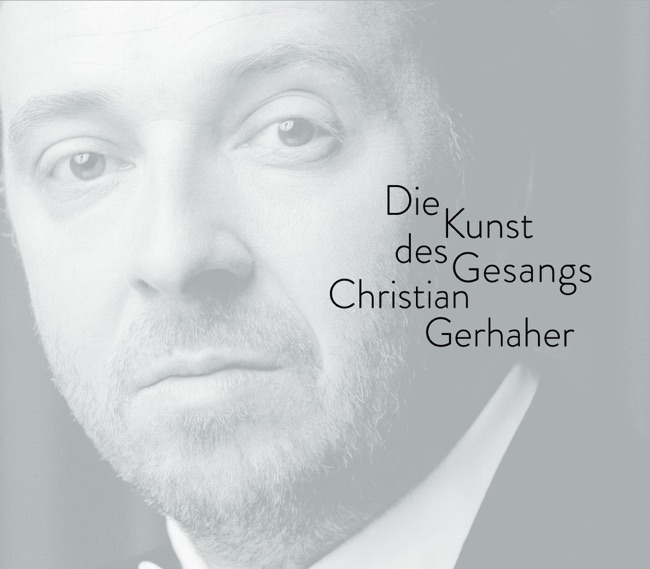 November 1, 2013
 -
-
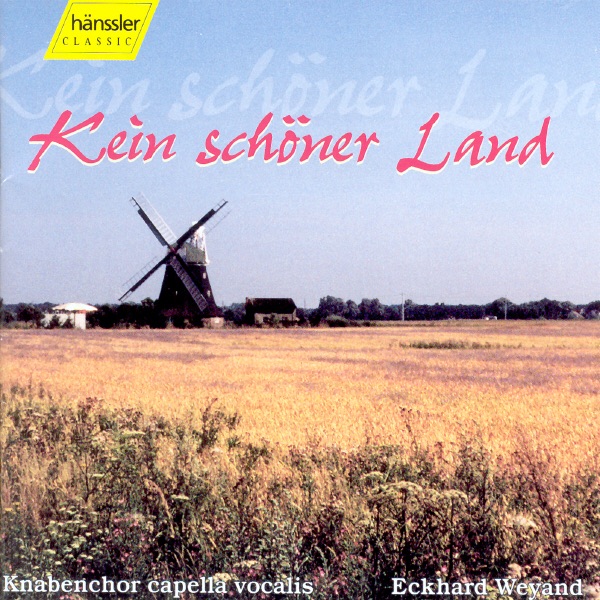 October 26, 1999
Artist Info
Role:ComposerBirth:1789Death:1860Period:RomanticGenre:ChoralVocalJohann Friedrich Glück was a German composer of the Classical era, born on July 2, 1714, in Weiden in der Oberpfalz, Bavaria. He was the son of a schoolmaster and organist, and his father was his first music teacher. Glück showed an early aptitude for music, and by the age of 10, he was already playing the organ in his father's church. In 1731, Glück moved to Prague to study law, but he soon abandoned his legal studies to pursue music full-time. He studied composition with Johann Joseph Fux, the court composer of Emperor Charles VI, and became a member of the court orchestra. In 1736, Glück moved to Vienna, where he continued his studies with Fux and also studied with Georg Christoph Wagenseil, a prominent composer of the time. Glück's early works were primarily instrumental music, including sonatas, symphonies, and concertos. His first opera, "Artaserse," was premiered in 1741 in Vienna, and it was a great success. Glück went on to compose more than 30 operas, including "La clemenza di Tito," "Orfeo ed Euridice," and "Alceste." His operas were known for their dramatic intensity and emotional depth, and they helped to establish the opera seria style, which was characterized by its serious subject matter and emphasis on vocal virtuosity. Glück's most famous opera, "Orfeo ed Euridice," was premiered in Vienna in 1762. It tells the story of Orpheus, who descends into the underworld to rescue his beloved Euridice. The opera was a departure from the traditional opera seria style, as it emphasized the emotions of the characters and featured a simpler, more direct musical style. The opera was a great success, and it was performed throughout Europe. In addition to his operas, Glück also composed a number of sacred works, including masses, oratorios, and cantatas. His "Requiem in C minor" is considered one of his finest works in this genre. Glück also wrote instrumental music, including symphonies, string quartets, and sonatas. His "Sinfonia in G major" is particularly notable for its use of the Mannheim rocket, a musical technique that was popular in the Mannheim court orchestra of the time. Glück's music was highly influential in the development of Classical music, and his operas in particular had a profound impact on the genre. His emphasis on emotional expression and simplicity of style helped to pave the way for the operas of Mozart and Beethoven. Glück died on November 15, 1787, in Vienna, Austria, at the age of 73. His legacy as a composer and innovator in the world of opera and instrumental music continues to be celebrated today.More....
Recent Artist Music

6
2:7
11
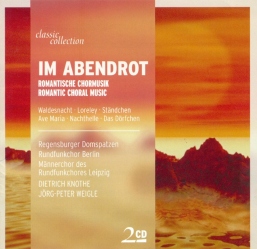
2:21

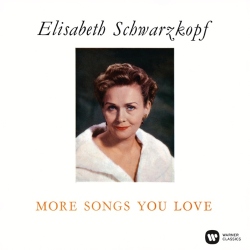
Copyright Ⓒ 2013 Davinci Finger. All rights reseved
Service Terms & Policy