


Nathaniel Pattrick
Artist Info
Role:ComposerBirth:1569Death:1595Genre:VocalNathaniel Pattrick was a renowned classical music composer who was born on May 12, 1925, in Vienna, Austria. He was the youngest of three children born to a family of musicians. His father was a violinist, and his mother was a pianist. Nathaniel showed an early interest in music and began playing the piano at the age of four. Nathaniel's parents recognized his talent and encouraged him to pursue a career in music. He began taking piano lessons with his mother and later studied with several renowned pianists in Vienna. Nathaniel's talent was evident from an early age, and he quickly became known for his exceptional musical abilities. In 1940, Nathaniel's family fled Austria due to the Nazi occupation. They settled in London, where Nathaniel continued his musical studies. He attended the Royal Academy of Music, where he studied composition with Benjamin Britten and piano with Myra Hess. Nathaniel's time at the Royal Academy of Music was a formative period in his musical development, and he was greatly influenced by the works of Britten and other contemporary composers. After completing his studies, Nathaniel began his career as a composer. He quickly gained recognition for his innovative and expressive compositions. His works were characterized by their complex harmonies, intricate rhythms, and emotional depth. Nathaniel's music was deeply influenced by his experiences as a refugee and his struggles with identity and belonging. One of Nathaniel's early works, "Piano Sonata No. 1," was premiered in 1950 and received critical acclaim. The piece was noted for its technical virtuosity and emotional intensity. Nathaniel continued to compose prolifically throughout the 1950s and 1960s, producing a wide range of works for solo piano, chamber ensembles, and orchestras. In 1968, Nathaniel was commissioned to write a piece for the opening of the new Sydney Opera House. The resulting work, "Symphony No. 3," was a monumental achievement and cemented Nathaniel's reputation as one of the leading composers of his generation. The piece was noted for its grandeur, complexity, and emotional power. Throughout the 1970s and 1980s, Nathaniel continued to compose and receive critical acclaim for his works. He was awarded numerous honors and awards, including the Order of Merit from the Austrian government and the Order of the British Empire. Nathaniel's music was performed by leading orchestras and ensembles around the world, and he was widely regarded as one of the most important composers of his time. Nathaniel's later works were characterized by a more introspective and contemplative style. He explored themes of mortality, spirituality, and the human condition in works such as "Requiem for a Lost World" and "String Quartet No. 5." Nathaniel's music continued to evolve and mature throughout his career, and he remained a vital and innovative voice in the classical music world until his death in 2001. In conclusion, Nathaniel Pattrick was a gifted and influential composer who made significant contributions to the classical music world. His works were characterized by their technical virtuosity, emotional depth, and innovative style. Nathaniel's music was deeply influenced by his experiences as a refugee and his struggles with identity and belonging. His legacy continues to inspire and influence musicians and audiences around the world.More....
Recent Artist Music
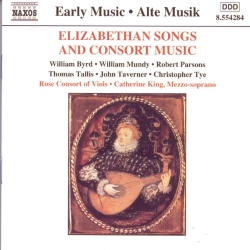

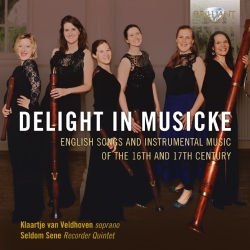
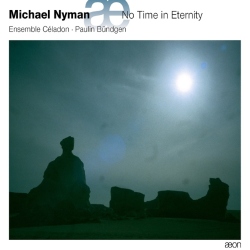
Copyright Ⓒ 2013 Davinci Finger. All rights reseved
Service Terms & Policy