


Bronislaw Przybylski
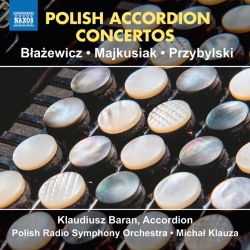
Released Album
Chamber
-
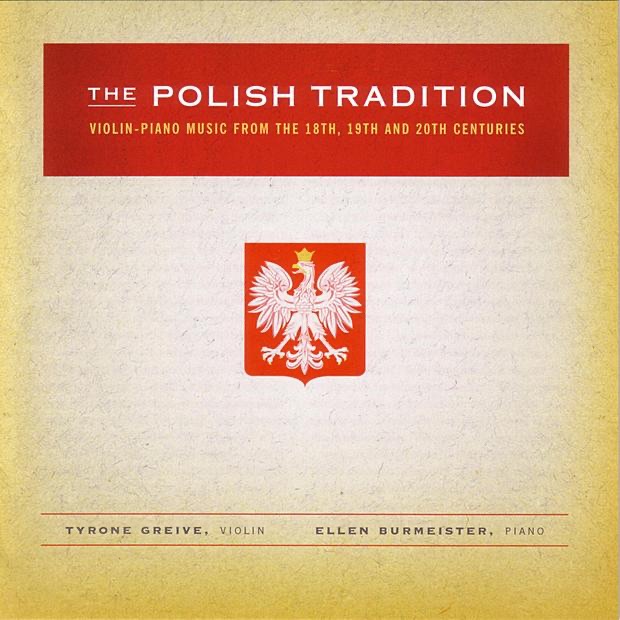 May 31, 2005
Concerto
-
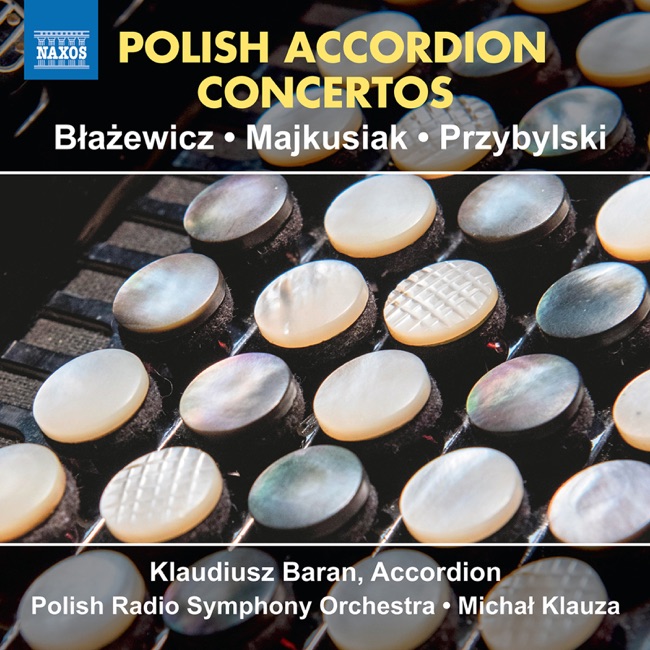 November 11, 2022
Artist Info
Role:ComposerCountry: PolandBirth:1942Period:ContemporaryGenre:ChamberChoralBronislaw Przybylski was a Polish composer who was born on January 28, 1941, in Lwów, Poland (now Lviv, Ukraine). He was the son of a Polish father and a Ukrainian mother. Przybylski grew up in a musical family, and his father was a violinist in the Lviv Philharmonic Orchestra. Przybylski began playing the piano at a young age and showed a natural talent for music. In 1956, Przybylski's family moved to Wrocław, Poland, where he continued his musical education. He studied composition with Tadeusz Baird at the State Higher School of Music in Wrocław and graduated in 1965. Przybylski's early works were influenced by the avant-garde music of the 1960s, and he was associated with the Polish School of Music. Przybylski's breakthrough came in 1967 when his composition "Epitaph for the Victims of War" won first prize at the International Rostrum of Composers in Paris. The piece was a powerful and emotional work that reflected Przybylski's personal experiences of World War II and the post-war period. The success of "Epitaph" brought Przybylski international recognition and established him as one of the leading composers of his generation. Throughout the 1970s and 1980s, Przybylski continued to compose works that were highly regarded by critics and audiences alike. His music was characterized by its emotional intensity, technical virtuosity, and innovative use of sound. Przybylski was particularly interested in exploring the possibilities of electronic music, and he collaborated with the Experimental Studio of Polish Radio in Warsaw to create a number of groundbreaking works. One of Przybylski's most famous works is his Symphony No. 3, which was composed in 1976. The piece is a powerful and dramatic work that reflects Przybylski's interest in the human condition and the struggle for freedom. The symphony is divided into three movements, each of which explores a different aspect of the human experience. The first movement is a meditation on the nature of existence, the second is a reflection on the struggle for freedom, and the third is a celebration of the human spirit. Another notable work by Przybylski is his "Concerto for Orchestra," which was composed in 1980. The piece is a virtuosic showcase for the orchestra, with each section of the ensemble given a chance to shine. The concerto is characterized by its complex rhythms, intricate textures, and bold use of color. Przybylski's music was not only highly regarded in Poland but also internationally. He won numerous awards and honors throughout his career, including the Prix Italia, the UNESCO International Rostrum of Composers, and the Polish Composers' Union Prize. Przybylski was also a respected teacher and mentor, and he taught composition at the State Higher School of Music in Wrocław for many years. Tragically, Przybylski's life was cut short when he died on March 28, 2011, at the age of 70. However, his legacy lives on through his music, which continues to be performed and admired by musicians and audiences around the world. Przybylski's music is a testament to the power of art to express the deepest emotions and to connect people across cultures and generations.More....
Copyright Ⓒ 2013 Davinci Finger. All rights reseved
Service Terms & Policy