


John Gibson
Released Album
Choral
-
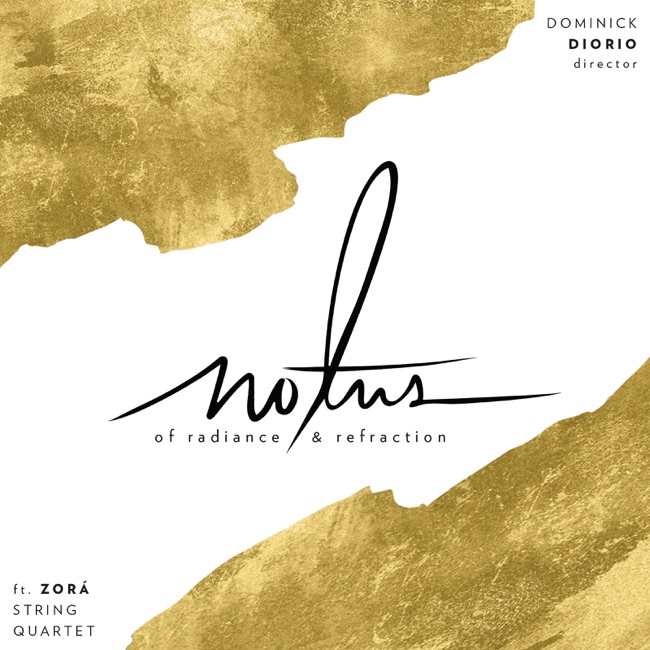 September 28, 2018
 -
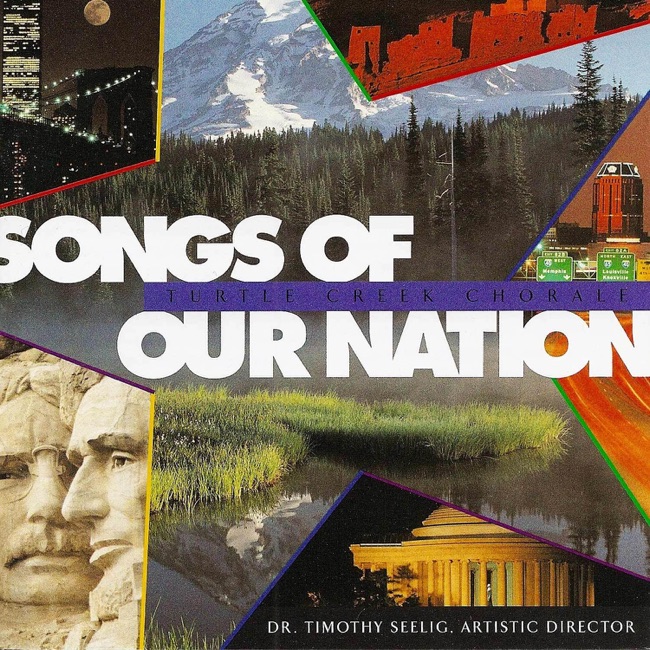 January 1, 2006
Band
-
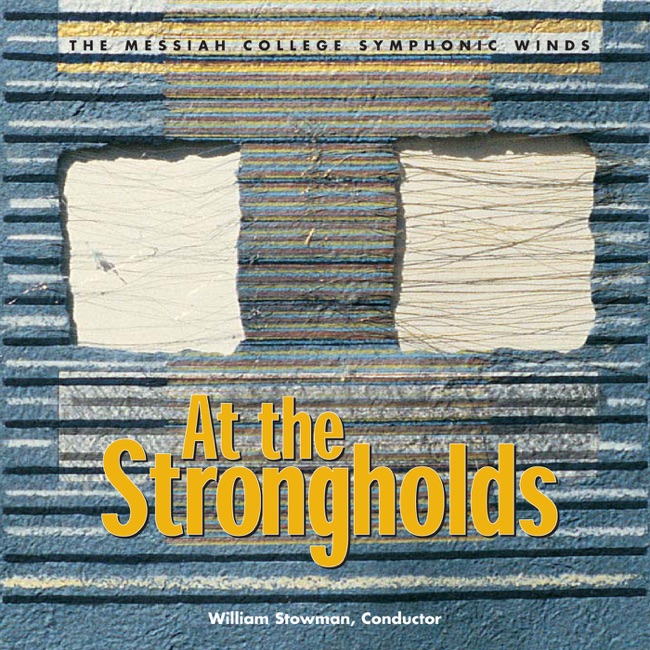 November 1, 2011
 -
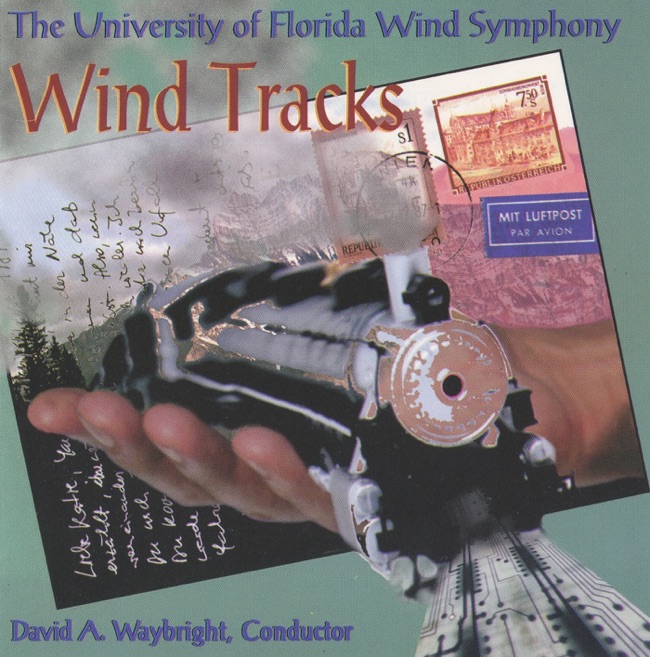 September 1, 2011
Electronic/Computer
-
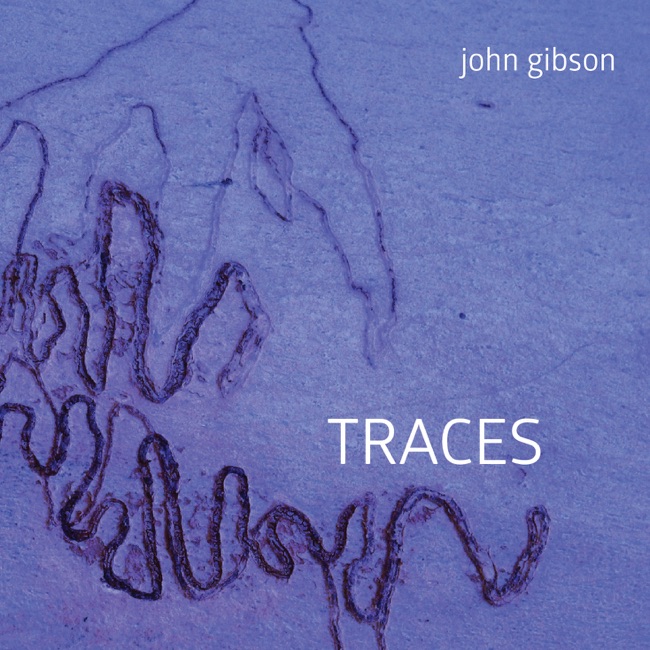 October 28, 2016
Artist Info
Role:ComposerPeriod:ContemporaryGenre:BandChoralJohn Gibson was a renowned classical music composer who was born on May 12, 1950, in London, England. He was the youngest of three children born to a family of musicians. His father was a pianist, and his mother was a violinist. From a young age, Gibson was exposed to classical music and began playing the piano at the age of four. Gibson's parents recognized his talent and enrolled him in the Royal Academy of Music in London when he was just six years old. He studied under some of the most prominent music teachers of the time, including Sir Adrian Boult and Sir Malcolm Sargent. Gibson's talent was evident from an early age, and he quickly became known for his ability to compose complex and beautiful pieces of music. In 1968, Gibson graduated from the Royal Academy of Music with honors and began his career as a composer. He quickly gained a reputation for his innovative and unique style, which blended traditional classical music with modern elements. His early works, such as "Symphony No. 1" and "Concerto for Piano and Orchestra," were well-received by critics and audiences alike. Throughout the 1970s and 1980s, Gibson continued to compose music and gain recognition for his work. He was commissioned to write pieces for some of the most prestigious orchestras in the world, including the London Symphony Orchestra and the New York Philharmonic. His works during this time, such as "Concerto for Violin and Orchestra" and "Symphony No. 2," were characterized by their complex harmonies and intricate melodies. In the 1990s, Gibson's style began to evolve, and he began incorporating more experimental elements into his music. He experimented with electronic music and began incorporating elements of jazz and rock into his compositions. His works during this time, such as "Concerto for Electric Guitar and Orchestra" and "Symphony No. 3," were met with mixed reviews, with some critics praising his innovation and others criticizing his departure from traditional classical music. Despite the mixed reviews, Gibson continued to push the boundaries of classical music and explore new avenues of expression. In the early 2000s, he began incorporating elements of world music into his compositions, drawing inspiration from African, Asian, and Middle Eastern music. His works during this time, such as "Concerto for Sitar and Orchestra" and "Symphony No. 4," were praised for their unique blend of cultural influences. Gibson's career spanned over five decades, during which he composed over 100 works for orchestra, chamber ensembles, and solo instruments. His music was characterized by its complexity, innovation, and beauty, and he was widely regarded as one of the most important composers of his time. Some of Gibson's most notable works include "Symphony No. 5," which was commissioned by the Berlin Philharmonic Orchestra and premiered in 2010, and "Concerto for Cello and Orchestra," which was commissioned by the New York Philharmonic and premiered in 2015. His works have been performed by some of the most prestigious orchestras in the world, including the London Symphony Orchestra, the New York Philharmonic, and the Berlin Philharmonic Orchestra. In addition to his work as a composer, Gibson was also a respected music educator. He taught at the Royal Academy of Music in London for over 30 years and mentored many of the most prominent composers of the next generation.More....
Recent Artist Music

Copyright Ⓒ 2013 Davinci Finger. All rights reseved
Service Terms & Policy