


Juan Crisóstomo Arriaga
Released Album
Chamber
-
-
-
 June 1, 2015
 -
 August 1, 2014
 -
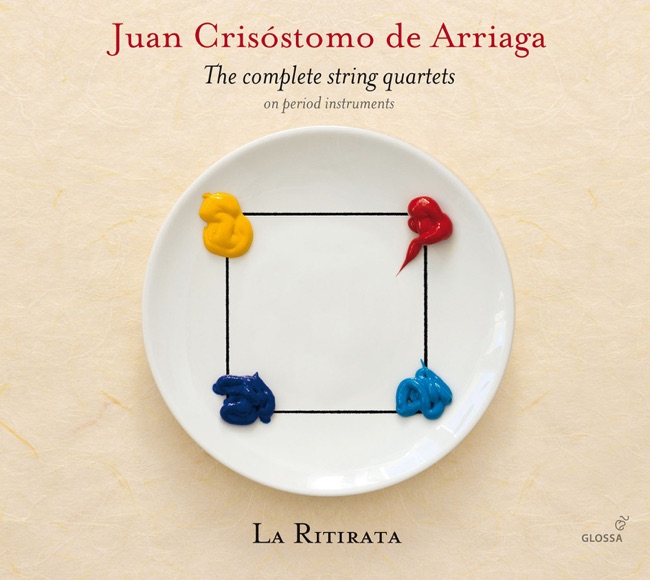 April 7, 2014
 -
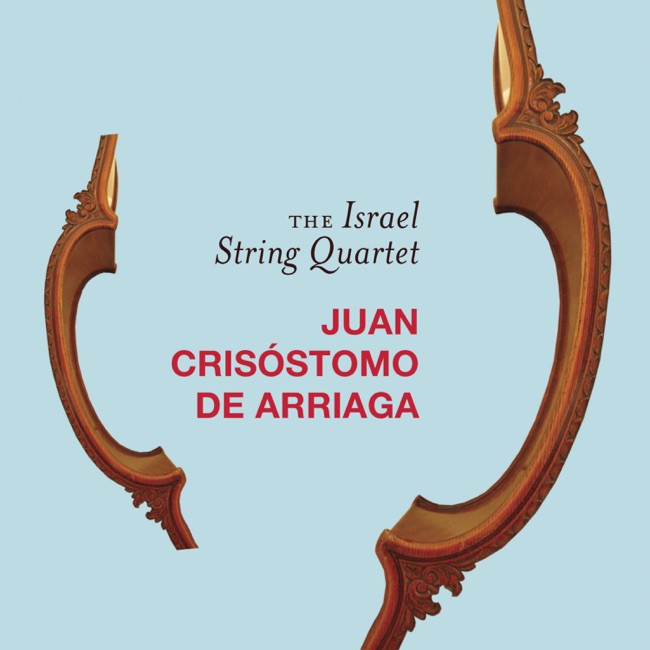 October 29, 2013
Symphony
-
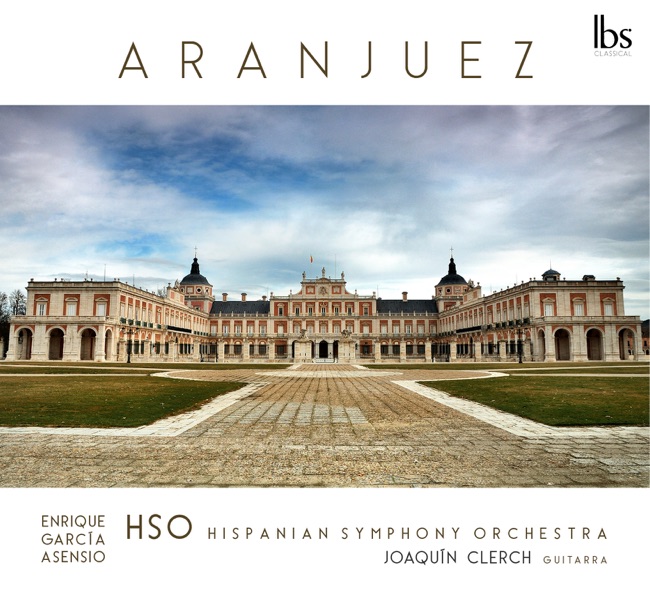 April 14, 2015
 -
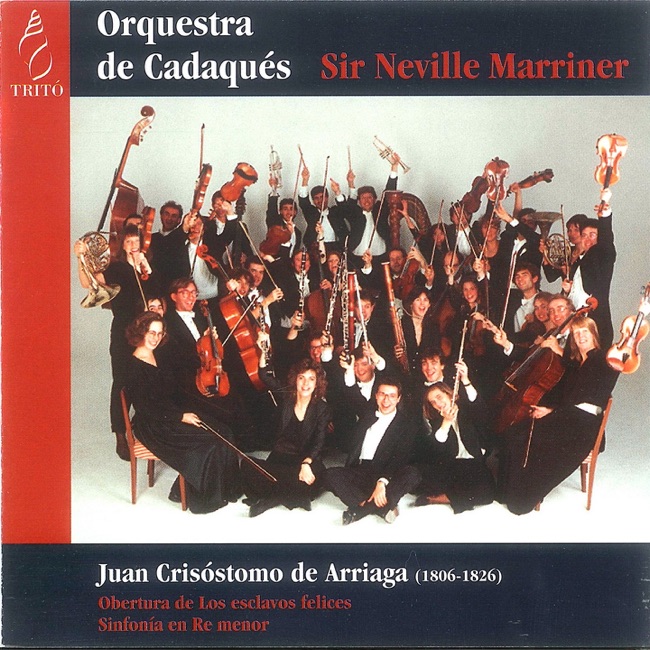
-
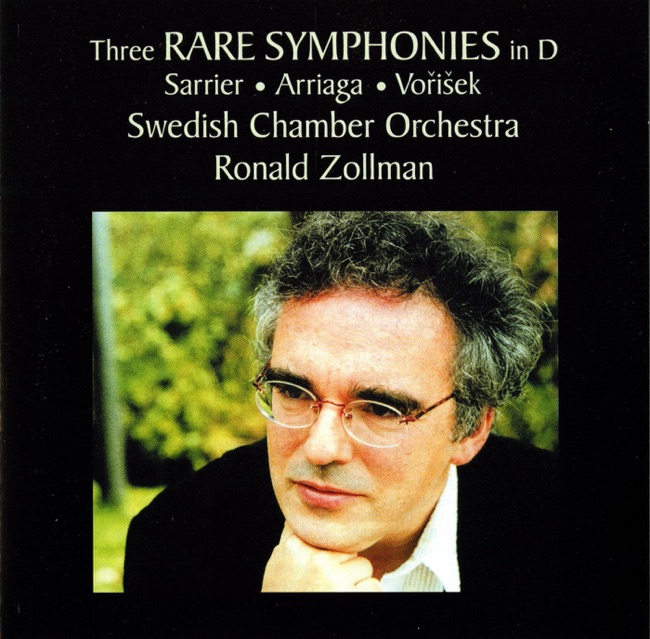 April 1, 2012
 -
 November 13, 2007
 -
 September 29, 2003
 -
 September 19, 1995
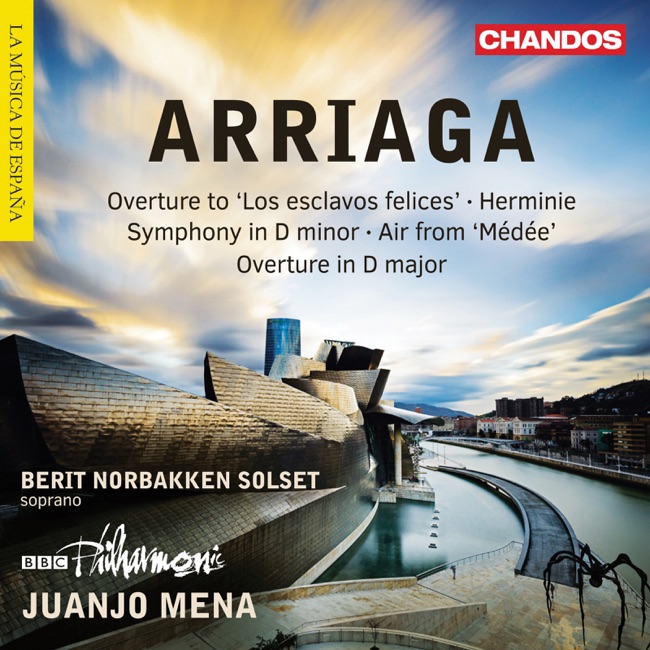
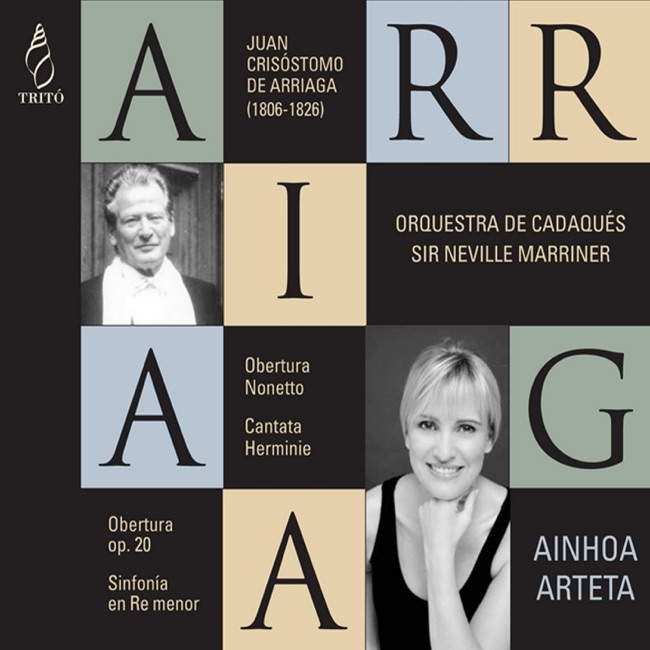
Artist Info
Role:ComposerCountry: SpainBirth:January 27, 1806 in Rigoitia, SpainDeath:January 17, 1826 in Paris, FrancePeriod:ClassicalGenre:ChamberOperaSymphonyJuan Crisóstomo Arriaga was a Spanish composer who lived a short but remarkable life. He was born on January 27, 1806, in Bilbao, Spain, to a family of musicians. His father, Juan Simón de Arriaga, was a well-known harpist and composer, and his mother, María de los Dolores de Arriaga, was a singer. Arriaga showed an early interest in music and began studying the violin and piano at a young age. Arriaga's musical talent was quickly recognized, and he was sent to study at the Paris Conservatory when he was just 13 years old. He studied under some of the most prominent musicians of the time, including François-Joseph Fétis and Luigi Cherubini. Arriaga quickly became known for his exceptional musical abilities, and he was awarded several prizes and honors during his time at the conservatory. Despite his young age, Arriaga began composing music while he was still a student at the Paris Conservatory. His early works were heavily influenced by the classical style of Mozart and Haydn, but he also incorporated elements of Spanish folk music into his compositions. Arriaga's music was well-received by his teachers and fellow students, and he quickly gained a reputation as a talented composer. After completing his studies at the Paris Conservatory, Arriaga returned to Spain and began working as a composer and conductor. He composed a variety of works, including symphonies, chamber music, and operas. Arriaga's music was characterized by its lyricism, elegance, and technical skill. He was particularly skilled at writing for the string section, and his works for string quartet are considered some of his finest compositions. Arriaga's most famous work is his Symphony in D minor, which he composed when he was just 18 years old. The symphony is a masterpiece of the classical style, with its elegant melodies, intricate harmonies, and virtuosic orchestration. The symphony was first performed in Paris in 1825, and it was an immediate success. It was praised by critics and audiences alike, and it established Arriaga as one of the most promising young composers of his time. In addition to his symphony, Arriaga composed several other notable works during his short career. His String Quartet No. 1 in D minor is considered one of the finest works in the string quartet repertoire. The quartet is notable for its complex harmonies, intricate counterpoint, and emotional depth. Arriaga also composed several operas, including Los esclavos felices (The Happy Slaves) and Agar en el desierto (Hagar in the Desert). Although his operas were not as successful as his instrumental works, they are still considered important contributions to the Spanish operatic tradition. Despite his early success, Arriaga's life was cut tragically short. He died on January 17, 1826, just 10 days before his 20th birthday. The cause of his death is not known for certain, but it is believed that he contracted tuberculosis. Arriaga's death was a great loss to the musical world, and many mourned the passing of such a talented young composer. Despite his short career, Arriaga's music had a significant impact on the development of classical music in Spain. He was one of the first Spanish composers to achieve international recognition, and his works helped to establish a distinct Spanish musical style. Arriaga's music continues to be performed and admired today, and he is remembered as one of the most talented and promising composers of the early 19th century.More....
Recent Artist Music
3
8:3
4
7:21
9
6:45
10
8:30
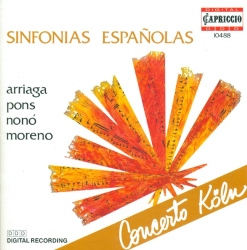
12
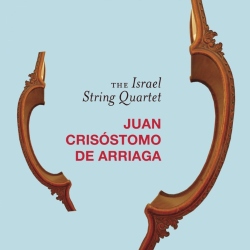
7:39
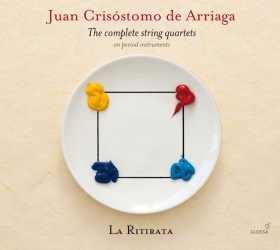
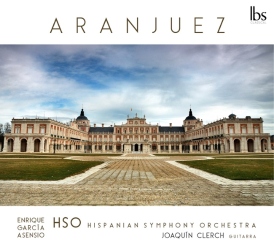
Copyright Ⓒ 2013 Davinci Finger. All rights reseved
Service Terms & Policy