


Conrad Friedrich Hurlebusch
Released Album
Keyboard
-
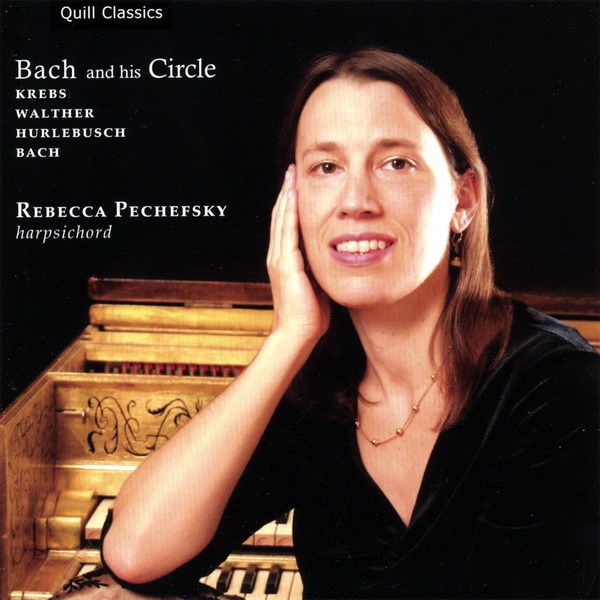 May 30, 2006
Concerto
-
 April 23, 2021
Artist Info
Role:ComposerCountry: GermanyBirth:December 3, 1691 in Brunswick, GermanyDeath:December 17, 1765 in Amsterdam, The NetherlandsPeriod:BaroqueGenre:ConcertoConrad Friedrich Hurlebusch was a German composer and musician who lived during the 18th century. He was born on October 25, 1691, in the town of Hildesheim, Lower Saxony, Germany. His father, Johann Hurlebusch, was a musician and organist, and it was under his guidance that Conrad began his musical education. Conrad Hurlebusch showed an early aptitude for music, and by the age of 10, he was already playing the organ in his father's church. He continued his studies in music, and by the age of 18, he had become an accomplished organist and composer. In 1710, Hurlebusch moved to Hamburg, where he became a student of the famous composer Georg Philipp Telemann. Under Telemann's tutelage, Hurlebusch honed his skills as a composer and musician, and he soon began to make a name for himself in the Hamburg music scene. Hurlebusch's early works were heavily influenced by the Baroque style of music that was popular at the time. His compositions were characterized by their intricate counterpoint and use of ornamentation, and they were often performed in churches and other religious settings. One of Hurlebusch's most famous works from this period is his "Magnificat in D Major," which was composed in 1715. This piece is a setting of the biblical text known as the Magnificat, which is traditionally sung during the Christian liturgy. Hurlebusch's version of the Magnificat is notable for its use of complex harmonies and intricate vocal lines, which showcase his skill as a composer. In 1720, Hurlebusch was appointed as the organist at the St. Jacobi Church in Hamburg, a position he held for the rest of his life. During his time at St. Jacobi, Hurlebusch continued to compose music, and he became known for his innovative use of the organ in his compositions. One of Hurlebusch's most famous works from this period is his "Organ Concerto in G Major," which was composed in 1730. This piece is notable for its use of the organ as a solo instrument, which was a relatively new concept at the time. The concerto is also notable for its use of the harpsichord as a continuo instrument, which was a common practice in Baroque music. Hurlebusch's later works were influenced by the emerging Classical style of music, which was characterized by its simpler melodies and more restrained use of ornamentation. Despite this shift in style, Hurlebusch continued to compose music that was highly regarded by his contemporaries. One of Hurlebusch's most famous works from this period is his "Symphony in C Major," which was composed in 1750. This piece is notable for its use of the sonata form, which was a common structure in Classical music. The symphony is also notable for its use of the orchestra, which was becoming increasingly popular during this time. Conrad Friedrich Hurlebusch died on February 23, 1765, in Hamburg, Germany. He was 73 years old at the time of his death. Hurlebusch's legacy as a composer and musician lives on through his many works, which continue to be performed and studied by musicians and music lovers around the world.More....
Recent Artist Music
3
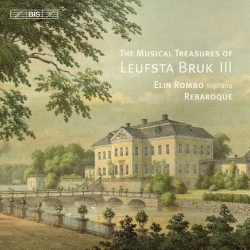
Cantata ('Tu parti my idol') No. 1 (from 'Due Cantata a Voce Solo e Basso Continuo, Op. 3')
Recitativo: Tu parti idolo mio…
52
Copyright Ⓒ 2013 Davinci Finger. All rights reseved
Service Terms & Policy