


Natalia Janotha
Released Album
Keyboard
-
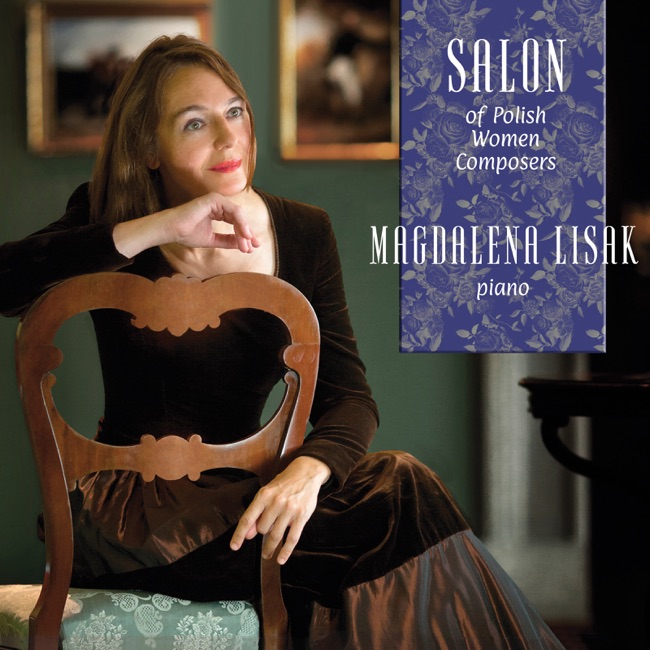 March 1, 2019
 -
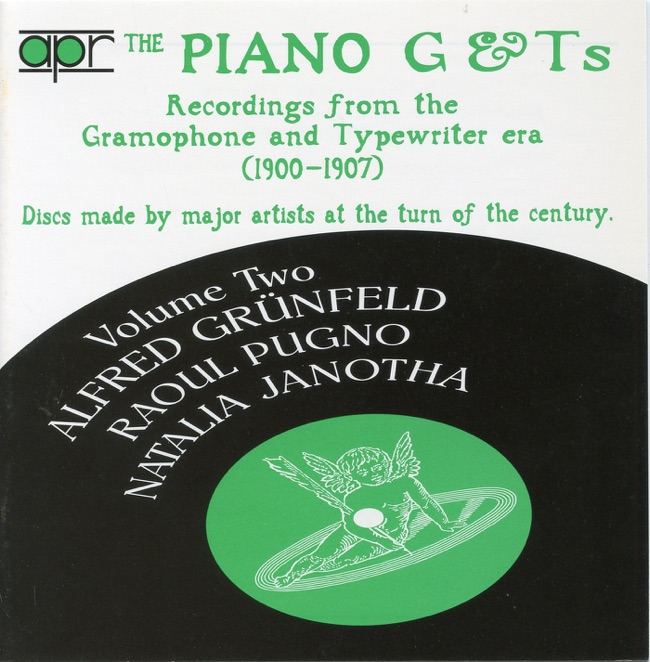 April 15, 1997
Artist Info
Role:ComposerBirth:June 8, 1856 in Warsaw, PolandDeath:June 9, 1932 in The Hague, The NetherlandsPeriod:RomanticGenre:KeyboardNatalia Janotha was a Polish classical music composer, pianist, and educator who lived from 1856 to 1932. She was born in Warsaw, Poland, to a family of musicians. Her father, Jan Janotha, was a composer and pianist, and her mother, Maria, was a singer. Natalia showed an early interest in music and began playing the piano at the age of four. She received her first formal music education from her father, who recognized her talent and encouraged her to pursue a career in music. At the age of 12, Natalia began studying at the Warsaw Conservatory, where she received instruction in piano, composition, and music theory. She was a gifted student and quickly became known for her exceptional musical abilities. In 1873, she graduated from the conservatory with honors and began performing as a concert pianist throughout Europe. Natalia's early compositions were heavily influenced by the Romantic style of music that was popular in the late 19th century. Her works were characterized by their lush harmonies, sweeping melodies, and virtuosic piano writing. Some of her most notable early compositions include the Piano Concerto in E-flat major, Op. 1, and the Sonata for Violin and Piano, Op. 2. In 1876, Natalia moved to Paris to further her musical education. She studied with some of the most prominent musicians of the time, including Camille Saint-Saëns and César Franck. While in Paris, she also became involved in the city's vibrant cultural scene and developed close relationships with many of the leading artists and intellectuals of the day. Natalia's time in Paris had a profound impact on her musical style. She began to incorporate elements of French impressionism into her compositions, which gave her music a more ethereal and atmospheric quality. Some of her most notable works from this period include the Piano Sonata in F-sharp minor, Op. 10, and the Nocturne for Piano, Op. 12. In 1882, Natalia returned to Poland and settled in Krakow, where she became a prominent figure in the city's musical community. She continued to perform as a concert pianist and also began teaching at the Krakow Conservatory. Her students included some of the most talented young musicians in Poland, many of whom went on to have successful careers in music. Natalia's later compositions were characterized by a more experimental and avant-garde style. She began to incorporate elements of atonality and dissonance into her music, which was a departure from the more traditional tonal harmonies of her earlier works. Some of her most notable later compositions include the String Quartet No. 2, Op. 25, and the Piano Trio in C minor, Op. 27. Despite her many accomplishments as a composer and pianist, Natalia faced significant challenges as a woman in the male-dominated world of classical music. She was often dismissed or overlooked by critics and audiences who believed that women were not capable of producing serious music. Nevertheless, she persisted in her career and continued to create groundbreaking works that pushed the boundaries of classical music. Natalia Janotha died in Krakow in 1932 at the age of 76. She left behind a rich legacy of music that continues to inspire and captivate audiences to this day. Her contributions to the world of classical music have been recognized by musicians and scholars around the world, and she remains an important figure in the history of Polish music.More....
Recent Artist Music
2
Mazurka for piano No. 2 in A major, Op. 6
Mazurek A-dur Op. 6 Nr. 2 / Mazurka in A major Op. 6 No. 2
4:7
Copyright Ⓒ 2013 Davinci Finger. All rights reseved
Service Terms & Policy