


Josef Franz Wagner
Released Album
Orchestral
-
 October 13, 2017
 -
 September 2, 2008
 -
 May 16, 2006
 -
 2005
2005 -
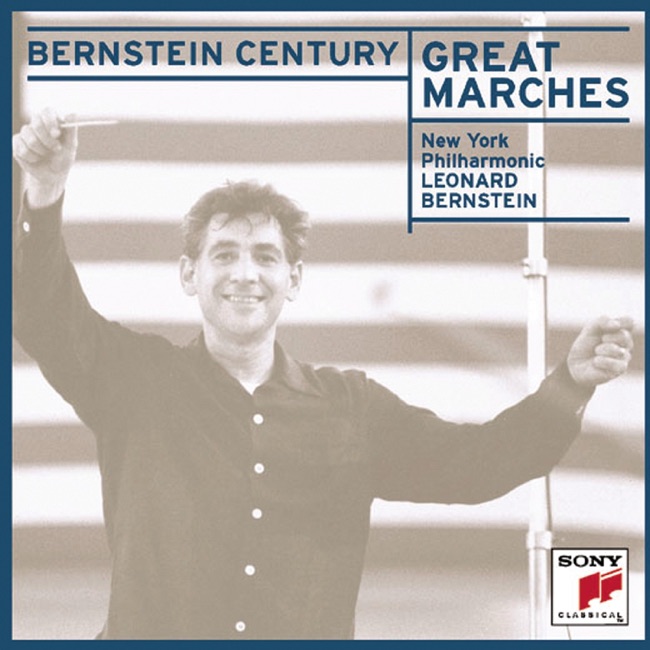 October 28, 1997
 -
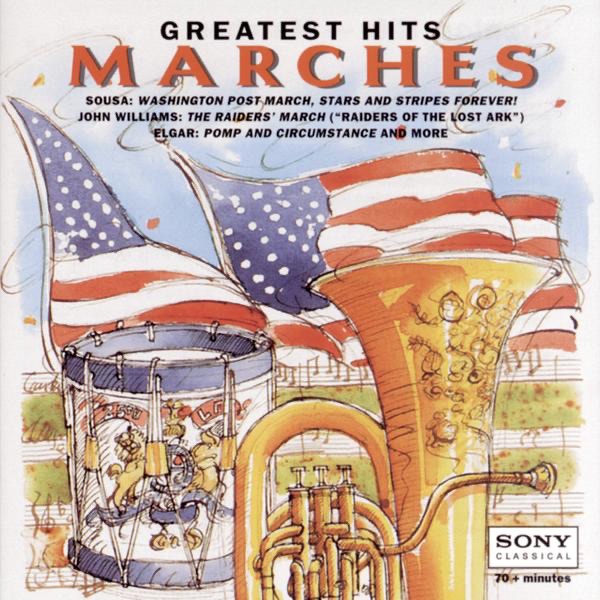 December 6, 1994
Band
-
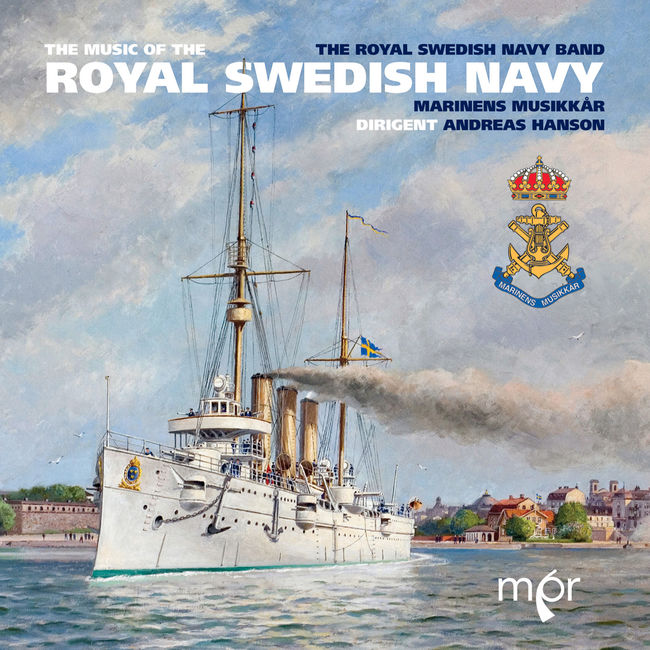 February 5, 2016
 -
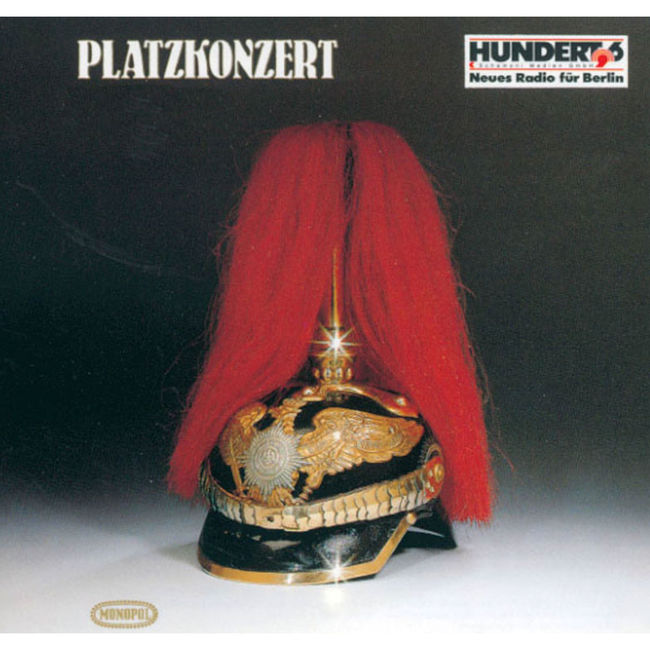 July 20, 2012
Artist Info
Role:ComposerCountry: AustriaBirth:October 13, 1856 in Vienna, AustriaDeath:June 5, 1908 in Vienna, AustriaPeriod:RomanticGenre:BandOrchestralJosef Franz Wagner was a renowned Austrian composer of the late 19th and early 20th centuries. He was born on March 20, 1856, in Vienna, Austria, to a family of musicians. His father, Josef Wagner, was a well-known conductor and composer, and his mother, Maria Anna Wagner, was a singer. Josef Franz Wagner grew up in a musical environment and showed an early interest in music. At the age of six, Josef Franz Wagner began taking piano lessons from his father. He showed remarkable talent and soon began composing his own music. By the age of 12, he had already written several pieces for piano and had started to study composition with his father. In 1872, Josef Franz Wagner enrolled at the Vienna Conservatory, where he studied composition with Anton Bruckner and piano with Julius Epstein. He graduated in 1876 with a diploma in composition and piano. After graduation, he worked as a conductor and pianist in various theaters in Vienna. In 1880, Josef Franz Wagner was appointed conductor of the military band in the Austrian town of Mährisch-Trübau (now Moravská Třebová in the Czech Republic). He held this position for 25 years and became known as the "March King of Austria-Hungary." During his tenure, he composed over 400 marches, polkas, and waltzes, many of which became popular throughout Europe. One of his most famous compositions is the "Under the Double Eagle" march, which he wrote in 1902. The march became so popular that it was adopted as the official march of the Austro-Hungarian Empire. It has since been used as a military march by many countries, including Germany, Russia, and the United States. Another popular composition by Josef Franz Wagner is the "Tyrolean Woodcutters' March," which he wrote in 1895. The march is based on a traditional Tyrolean folk song and became a favorite of the Austrian and German military bands. In addition to his marches, Josef Franz Wagner also composed operettas, ballets, and other works for the theater. His most successful operetta was "Die drei Wünsche" (The Three Wishes), which premiered in Vienna in 1892. The operetta was a huge success and was performed throughout Europe. Josef Franz Wagner was also a prolific composer of chamber music. He wrote several string quartets, piano trios, and other works for small ensembles. His chamber music is characterized by its lyrical melodies and rich harmonies. Despite his success as a composer, Josef Franz Wagner remained humble and dedicated to his craft. He continued to conduct the military band in Mährisch-Trübau until his retirement in 1905. He then returned to Vienna, where he lived until his death on June 5, 1908. Today, Josef Franz Wagner is remembered as one of the most important composers of military marches. His music continues to be performed by military bands and orchestras around the world. His legacy as the "March King of Austria-Hungary" lives on, and his music remains a beloved part of the classical music repertoire.More....
Recent Artist Music
4
1:52
9
2:36
Copyright Ⓒ 2013 Davinci Finger. All rights reseved
Service Terms & Policy