


Jaime Guiscafré
Released Album
Chamber
-
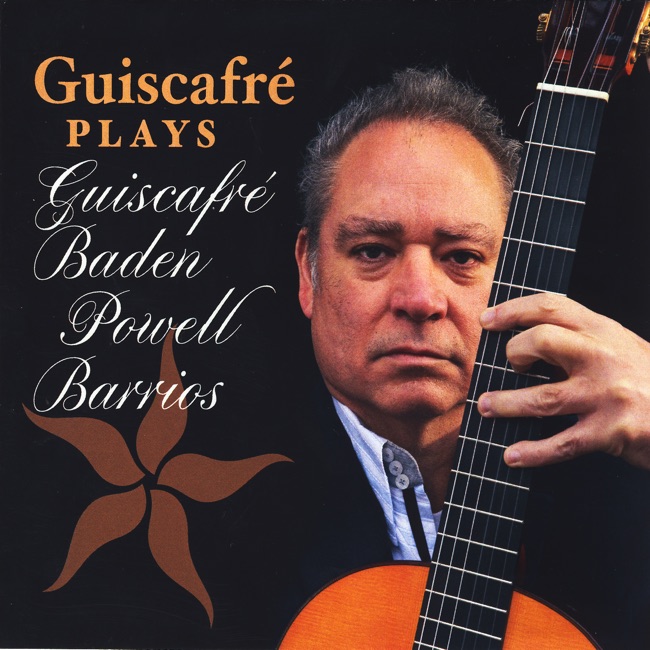 December 30, 2009
 -
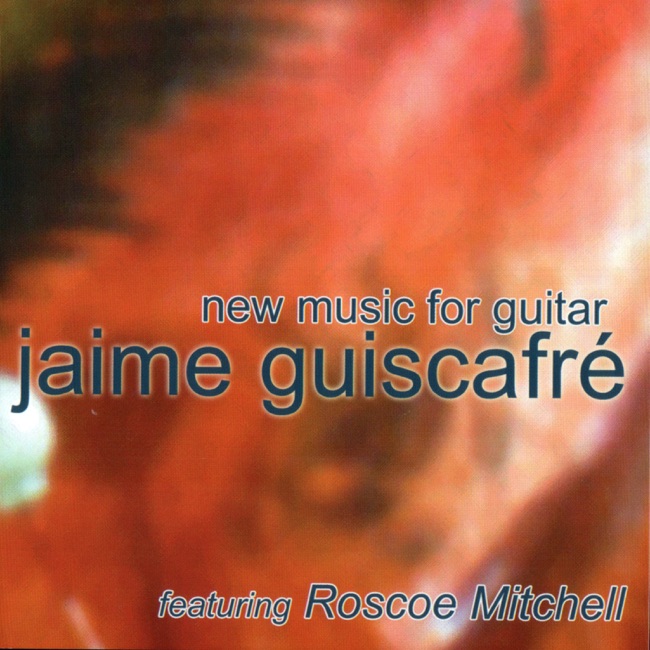 2002
2002
Artist Info
Role:ComposerGenre:ChamberJaime Guiscafré was a Mexican composer and pianist who was born on August 22, 1926, in Mexico City. He was the son of a Spanish father and a Mexican mother, and his family was deeply involved in the arts. His father was a painter, and his mother was a singer and pianist. Guiscafré showed an early interest in music and began studying piano at the age of six. Guiscafré's musical education began at the National Conservatory of Music in Mexico City, where he studied piano with Carlos Chávez and composition with Julián Orbón. He later continued his studies in composition with Aaron Copland at Tanglewood in Massachusetts. Guiscafré was deeply influenced by the music of Copland, as well as by the works of Stravinsky, Bartók, and Debussy. Guiscafré's early works were heavily influenced by Mexican folk music, and he often incorporated elements of traditional Mexican music into his compositions. One of his earliest works, the Suite Mexicana for piano, was composed in 1949 and is a collection of five pieces that are based on Mexican folk melodies. The suite was well-received and helped establish Guiscafré as a composer to watch. In the 1950s, Guiscafré began to experiment with serialism, a compositional technique that involves using a series of pitches to create a musical work. He was one of the first Mexican composers to embrace serialism, and his works from this period are characterized by their complex rhythms and dissonant harmonies. One of his most important works from this period is the String Quartet No. 1, which was composed in 1955 and is considered a landmark in Mexican contemporary music. In the 1960s, Guiscafré began to incorporate electronic music into his compositions. He was fascinated by the possibilities of electronic music and saw it as a way to expand the boundaries of traditional music. One of his most important works from this period is the electronic piece, "Canto a la Tierra," which was composed in 1968 and is a tribute to the earth and its natural beauty. Guiscafré's music is characterized by its complexity and its ability to blend different musical styles and traditions. He was a master of orchestration and was able to create rich and colorful textures in his works. His music is also deeply emotional and often reflects his personal experiences and beliefs. In addition to his work as a composer, Guiscafré was also a respected pianist. He often performed his own works and was known for his virtuosic playing. He was also a dedicated teacher and taught composition at the National Conservatory of Music in Mexico City for many years. Guiscafré's legacy as a composer and musician is significant. He was one of the most important Mexican composers of the 20th century and helped to establish a new tradition of contemporary music in Mexico. His works have been performed around the world and have been recorded by many prominent musicians and ensembles. Some of Guiscafré's most important works include the String Quartet No. 1, the Suite Mexicana for piano, the electronic piece "Canto a la Tierra," and the piano concerto "Concerto for Piano and Orchestra." His music continues to be performed and studied by musicians and scholars around the world, and his contributions to the world of classical music will be remembered for generations to come.More....
Recent Artist Music
Copyright Ⓒ 2013 Davinci Finger. All rights reseved
Service Terms & Policy