


Gonzalo Macías
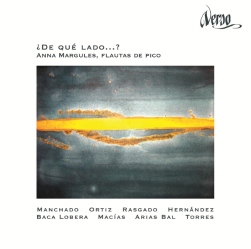
Released Album
Chamber
-
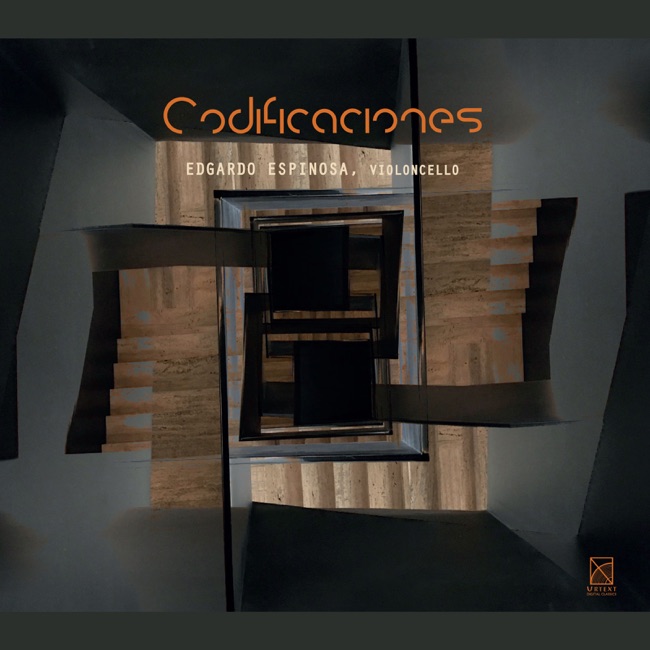 July 27, 2018
 -
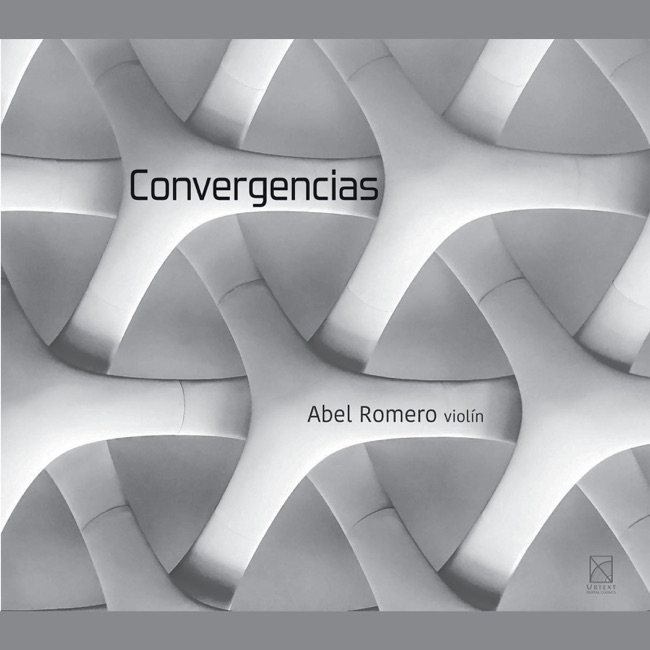 July 20, 2018
 -
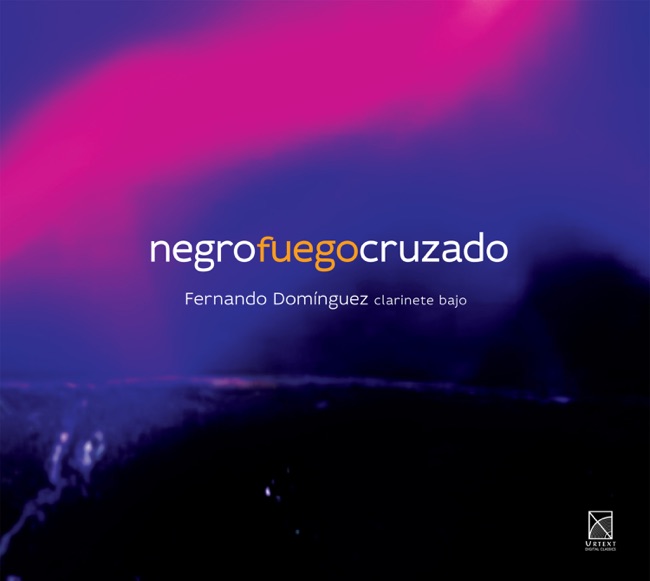 June 24, 2016
 -
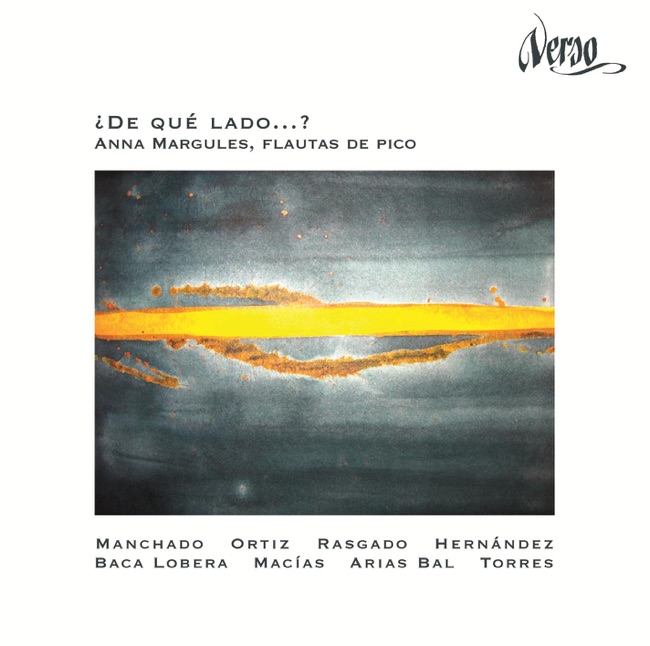 September 18, 2007
Artist Info
Role:ComposerGonzalo Macías was a renowned classical music composer who was born on January 1, 1950, in Madrid, Spain. He was the youngest of three siblings and grew up in a family that was passionate about music. His father was a pianist, and his mother was a singer, which meant that music was always a part of his life from a young age. Macías began his musical education at the age of six when he started taking piano lessons. He showed a natural talent for music, and his parents encouraged him to pursue his passion. He continued his studies at the Madrid Conservatory, where he studied composition, harmony, and counterpoint. After completing his studies, Macías began his career as a composer, and his works quickly gained recognition. His music was characterized by its emotional depth, technical complexity, and innovative use of harmony and melody. He was particularly interested in exploring the possibilities of electronic music, and he was one of the first classical composers to incorporate electronic instruments into his compositions. One of Macías's early works was his Piano Sonata No. 1, which he composed in 1972. The piece was well-received by critics and established Macías as a promising young composer. He continued to compose prolifically throughout the 1970s, producing works such as his String Quartet No. 1 and his Symphony No. 1. In the 1980s, Macías's music began to gain international recognition. He was invited to perform his works at festivals and concerts around the world, and his compositions were played by some of the most prestigious orchestras and ensembles. One of his most famous works from this period was his Concerto for Piano and Orchestra, which was premiered by the London Symphony Orchestra in 1985. Macías's music continued to evolve throughout the 1990s and 2000s. He became increasingly interested in exploring the possibilities of combining different musical traditions, and his works began to incorporate elements of jazz, folk music, and world music. One of his most notable works from this period was his Symphony No. 5, which was inspired by the music of the Andes and featured traditional Andean instruments such as the quena and the charango. Macías's music was characterized by its emotional depth, technical complexity, and innovative use of harmony and melody. Throughout his career, Macías received numerous awards and honors for his contributions to classical music. He was awarded the National Prize for Music in 1998, and he was made a member of the Royal Academy of Fine Arts of San Fernando in 2005. He was also a professor of composition at the Madrid Conservatory, where he taught many of the next generation of Spanish composers. Macías continued to compose until his death in 2015. His legacy as one of Spain's most important classical composers lives on through his music, which continues to be performed and celebrated around the world. His works are a testament to his passion for music and his dedication to pushing the boundaries of classical composition.More....
Recent Artist Music
Copyright Ⓒ 2013 Davinci Finger. All rights reseved
Service Terms & Policy