


Robert Spillman
Artist Info
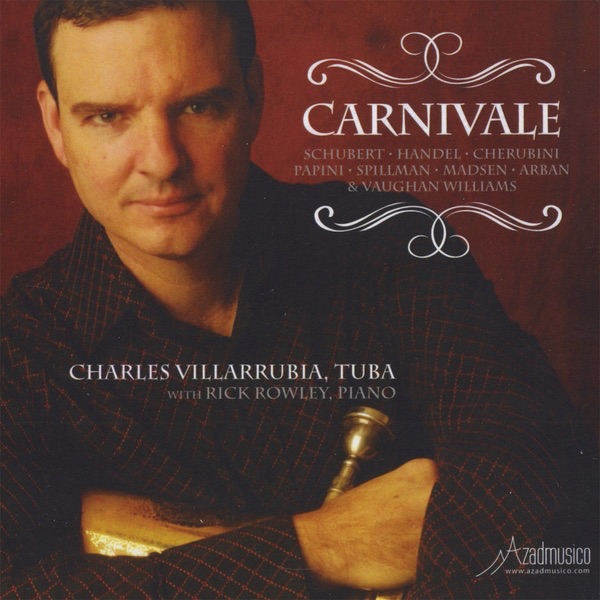
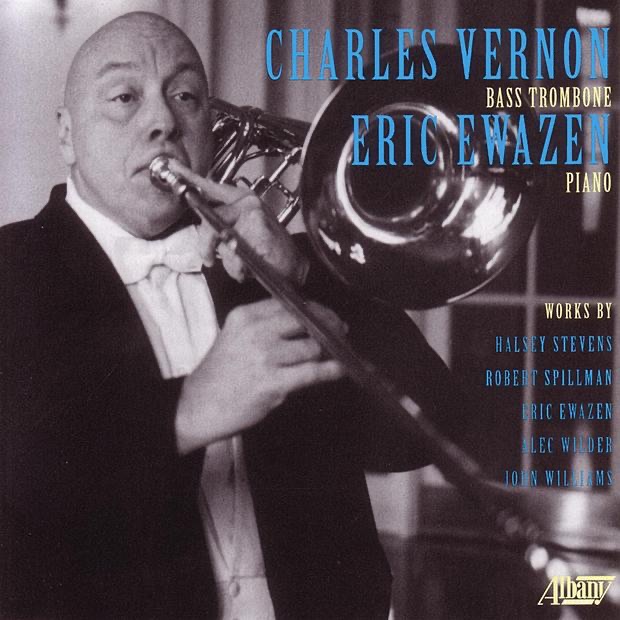
Role:ComposerGenre:ChamberConcertoRobert Spillman was a renowned classical music composer who was born on May 12, 1925, in New York City. He was the son of a music teacher and grew up in a musical family. His father was a pianist, and his mother was a singer. Spillman showed an interest in music from a young age and began playing the piano at the age of five. Spillman's parents recognized his talent and encouraged him to pursue a career in music. He attended the Juilliard School of Music in New York City, where he studied composition with Vincent Persichetti and piano with Rosina Lhévinne. He also studied conducting with Leonard Bernstein. After completing his studies, Spillman began his career as a composer. He wrote music for various ensembles, including orchestras, chamber groups, and soloists. His music was known for its lyrical melodies, rich harmonies, and intricate rhythms. One of Spillman's early works was his Piano Concerto, which he composed in 1950. The concerto was premiered by the New York Philharmonic, with Spillman himself as the soloist. The piece was well-received, and it helped establish Spillman as a rising star in the classical music world. In the 1950s and 1960s, Spillman continued to compose music and gain recognition for his work. He wrote several orchestral works, including his Symphony No. 1, which was premiered by the Boston Symphony Orchestra in 1957. He also wrote chamber music, such as his String Quartet No. 1, which was premiered by the Juilliard String Quartet in 1960. Spillman's music was often inspired by nature and the world around him. He was particularly interested in the sounds of birds and incorporated their songs into many of his compositions. His Symphony No. 2, which he composed in 1965, was inspired by the sounds of the ocean. In the 1970s, Spillman's music began to incorporate more experimental elements. He became interested in electronic music and began incorporating synthesizers and other electronic instruments into his compositions. His Symphony No. 3, which he composed in 1972, was one of the first symphonies to incorporate electronic music. Spillman continued to compose music throughout the 1980s and 1990s. He wrote several works for solo piano, including his Piano Sonata No. 2, which was premiered by pianist Emanuel Ax in 1985. He also wrote several works for orchestra, including his Symphony No. 4, which was premiered by the New York Philharmonic in 1990. In addition to his work as a composer, Spillman was also a respected music educator. He taught at several universities, including the University of Michigan and the University of California, Los Angeles. He was known for his innovative teaching methods and his ability to inspire his students. Spillman's music has been performed by many of the world's leading orchestras and ensembles. His works have been recorded by several record labels, including Naxos and Albany Records. He received numerous awards and honors throughout his career, including a Guggenheim Fellowship and a National Endowment for the Arts grant. Robert Spillman passed away on January 11, 2005, at the age of 79. He left behind a legacy of beautiful and innovative music that continues to inspire and delight audiences around the world.More....
Recent Artist Music
Copyright Ⓒ 2013 Davinci Finger. All rights reseved
Service Terms & Policy