


Hubert Clifford
Released Album
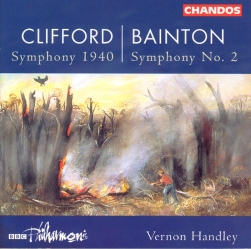
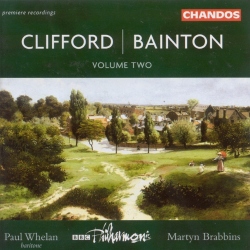
Orchestral
-
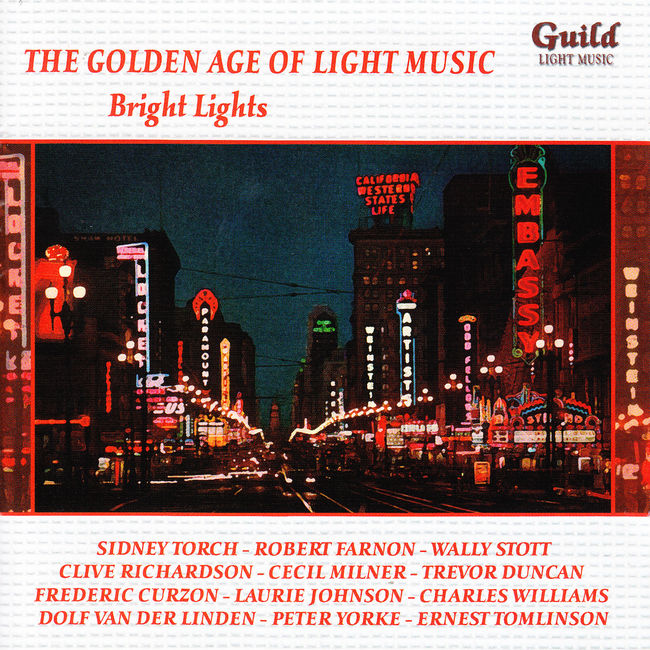 January 6, 2014
 -
 June 29, 2004
 -
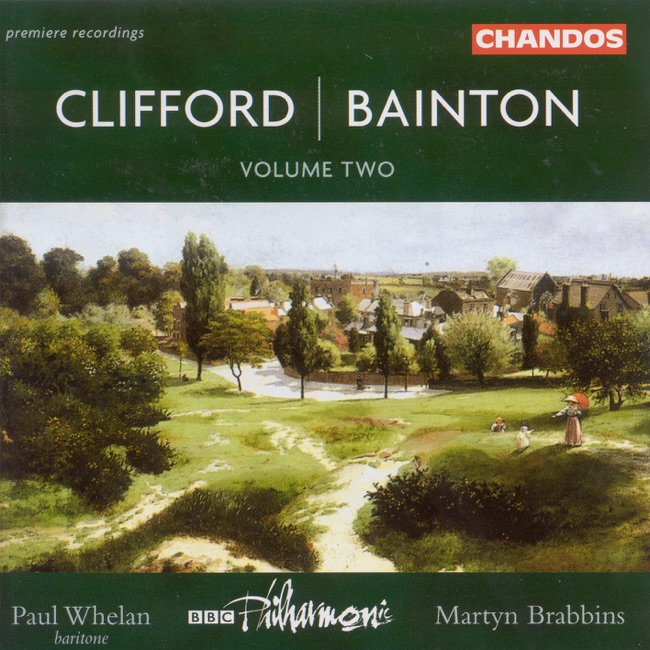 January 13, 2003
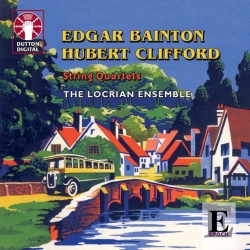
Chamber
-
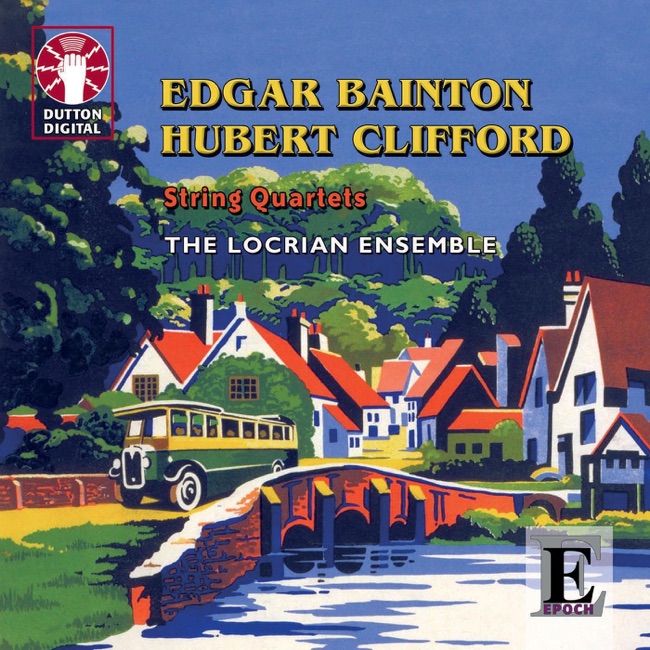 June 13, 2006
Artist Info
Role:Composer ConductorCountry: United KingdomBirth:1904 in Gipsland, VictoriaDeath:1959 in EnglandPeriod:ModernGenre:FilmOrchestralHubert Clifford was a British composer, conductor, and music director who was born on 5th February 1904 in Brighton, England. He was the son of a music teacher and grew up in a musical family. Clifford showed an early interest in music and began playing the piano at a young age. He later studied at the Royal College of Music in London, where he was a student of Ralph Vaughan Williams and Gustav Holst. Clifford's early career was marked by his work as a conductor and music director for various theater productions. He also worked as a composer for radio and film, and his music was featured in several British films of the 1930s and 1940s. Clifford's film scores were known for their lush orchestration and romantic melodies, and he was considered one of the leading film composers of his time. One of Clifford's most famous film scores was for the 1940 film "The Thief of Bagdad," which was directed by Michael Powell and Ludwig Berger. The score was praised for its exotic and adventurous themes, and it helped to establish Clifford as a major film composer. Other notable film scores by Clifford include "The Four Feathers" (1939), "The Lion Has Wings" (1939), and "The Way Ahead" (1944). In addition to his work in film, Clifford also composed several works for the concert hall. His compositions were influenced by his love of English folk music and his interest in the works of composers such as Vaughan Williams and Holst. Clifford's music was known for its lyrical melodies, rich harmonies, and colorful orchestration. One of Clifford's most famous concert works was his "Concerto for Flute and Strings," which was premiered in 1951. The concerto was written for the flautist Richard Adeney, who was a member of the London Symphony Orchestra. The work was praised for its beautiful melodies and virtuosic flute writing, and it has since become a staple of the flute repertoire. Another notable work by Clifford was his "Symphony No. 2," which was premiered in 1956. The symphony was written in a traditional four-movement form and was influenced by Clifford's interest in English folk music. The work was praised for its colorful orchestration and its use of folk melodies. Clifford's other notable works include his "Suite for Orchestra" (1946), his "Sinfonietta for Strings" (1953), and his "Concerto for Piano and Orchestra" (1958). His music was performed by many of the leading orchestras of his time, including the London Symphony Orchestra, the Royal Philharmonic Orchestra, and the BBC Symphony Orchestra. In addition to his work as a composer, Clifford was also a respected conductor and music director. He served as the music director of the Royal Ballet from 1955 to 1958 and was the conductor of the London Symphony Orchestra from 1959 to 1962. He also conducted many other leading orchestras, including the BBC Symphony Orchestra and the Philharmonia Orchestra. Clifford's career was cut short by his untimely death in 1959 at the age of 55. Despite his relatively short career, he left behind a significant body of work that continues to be performed and admired today. His music is known for its beauty, lyricism, and emotional depth, and it remains an important part of the British classical music tradition.More....
Recent Artist Music
Copyright Ⓒ 2013 Davinci Finger. All rights reseved
Service Terms & Policy