


Carlo della Giacoma
Released Album
Chamber
-
 March 18, 2022
 -
 January 17, 2022
 -
 July 22, 2020
Artist Info
Role:ComposerBirth:1858Death:1929Genre:ChamberCarlo della Giacoma was a renowned Italian composer of classical music who lived from 1742 to 1815. He was born in the city of Naples, which was a hub of musical activity during the 18th century. His father was a musician, and he grew up in a household that was steeped in music. From a young age, Carlo showed a natural talent for music, and he began his formal training in composition and performance at the age of six. Carlo's early years were spent studying under some of the most prominent musicians of his time. He was a student of the famous composer and theorist Francesco Durante, who was known for his strict adherence to the rules of counterpoint. Carlo also studied with the composer and violinist Nicola Porpora, who was a master of the Italian opera style. Under Porpora's tutelage, Carlo developed a deep understanding of melody and harmony, which would later become hallmarks of his own compositions. In his early twenties, Carlo began to make a name for himself as a composer. His first major work was a set of six string quartets, which were well-received by audiences and critics alike. These works showcased Carlo's skill in writing for multiple instruments, as well as his ability to create complex and intricate musical textures. Over the next few years, Carlo continued to compose prolifically, producing a wide range of works in various genres, including symphonies, concertos, and operas. One of Carlo's most significant contributions to the world of classical music was his development of the "Neapolitan School" of composition. This style was characterized by its use of rich harmonies, expressive melodies, and virtuosic instrumental writing. Carlo's works were heavily influenced by the music of his native Naples, which was known for its vibrant and colorful musical traditions. He also drew inspiration from the works of other Italian composers, such as Vivaldi and Corelli, as well as from the music of the German and Austrian schools. Carlo's most famous work is his opera "La Cenerentola," which was first performed in Rome in 1817. This opera is based on the story of Cinderella, and it features some of Carlo's most memorable melodies and inventive orchestration. The opera was an instant success, and it quickly became one of the most popular works in the operatic repertoire. Today, "La Cenerentola" is still performed regularly in opera houses around the world, and it is considered to be one of the greatest works of Italian opera. In addition to his operas, Carlo also composed a number of instrumental works that are still performed today. His symphonies, in particular, are notable for their use of rich harmonies and expressive melodies. One of his most famous symphonies is his Symphony No. 3 in D major, which is known for its lively and energetic opening movement. This work, like many of Carlo's compositions, showcases his skill in writing for multiple instruments and his ability to create complex and intricate musical textures. Carlo's legacy as a composer has endured for over two centuries, and his works continue to be performed and studied by musicians and music lovers around the world. His contributions to the development of the Neapolitan School of composition, as well as his innovative use of melody and harmony, have had a lasting impact on the world of classical music.More....
Recent Artist Music
1
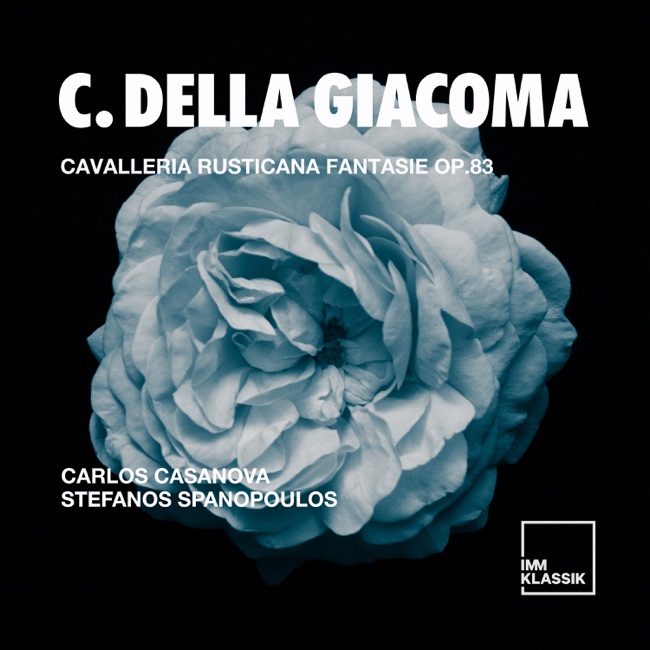
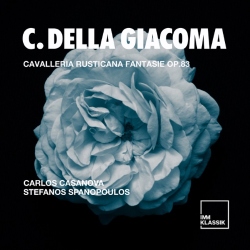
Fantasy on Mascagni's Cavalleria Rusitcana, Op. 83
Fantasia per clarinetto Op. 83 su Cavalleria Rusticana per clarinetto e pianoforte
11:6
2
11:20
3
11:27
4
7:43
Copyright Ⓒ 2013 Davinci Finger. All rights reseved
Service Terms & Policy