


Hungarian Traditional
Released Album
Vocal
-
 November 3, 2023
 -
 December 30, 2022
 -
 November 6, 2015
 -
 July 7, 2015
 -
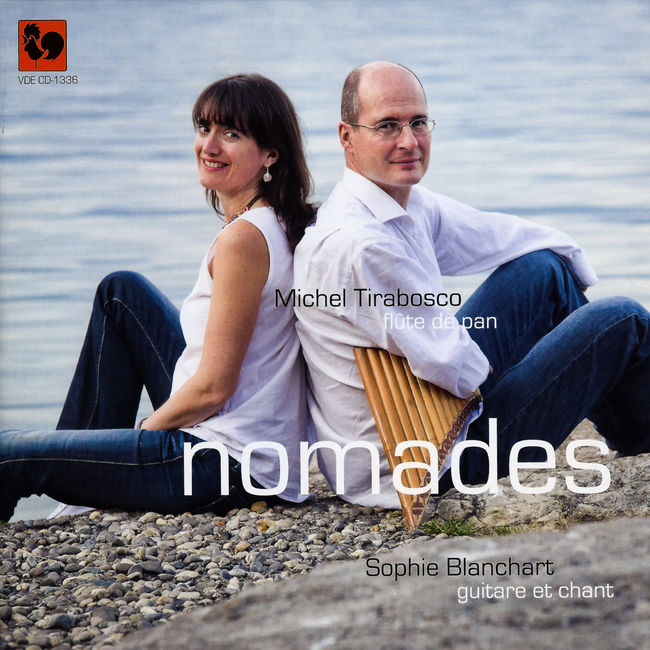 January 5, 2011
 -
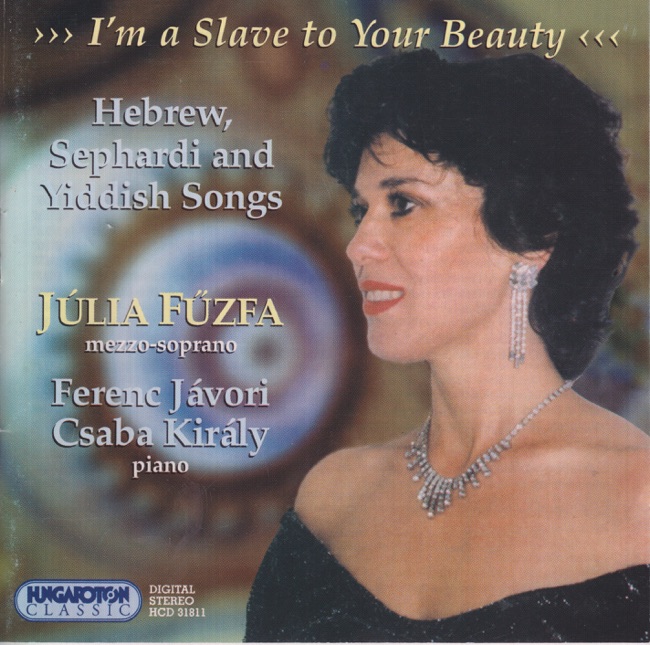 March 15, 2000
Chamber
-
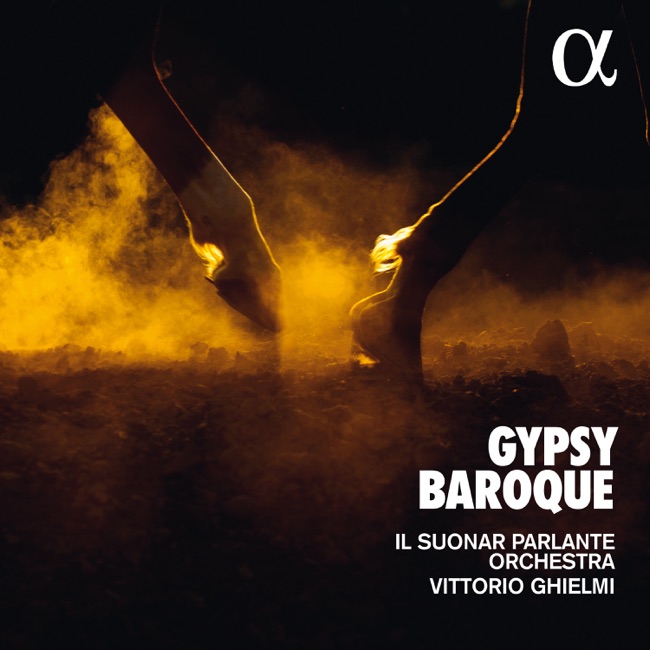 February 23, 2018
 -
 October 28, 2014
Miscellaneous
-
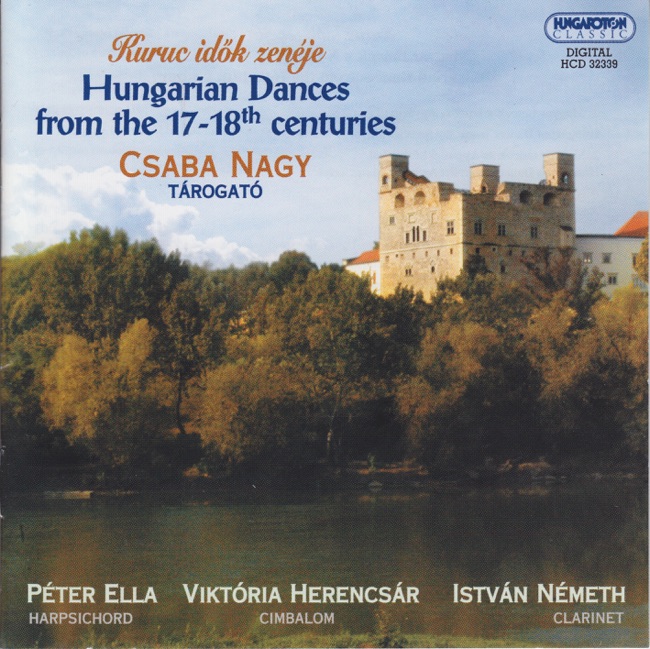 April 25, 2006
 -
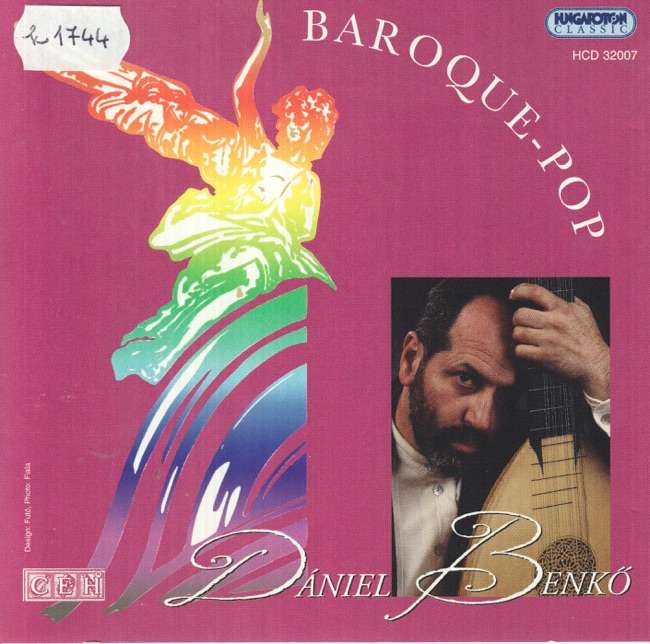 September 25, 2001
 -
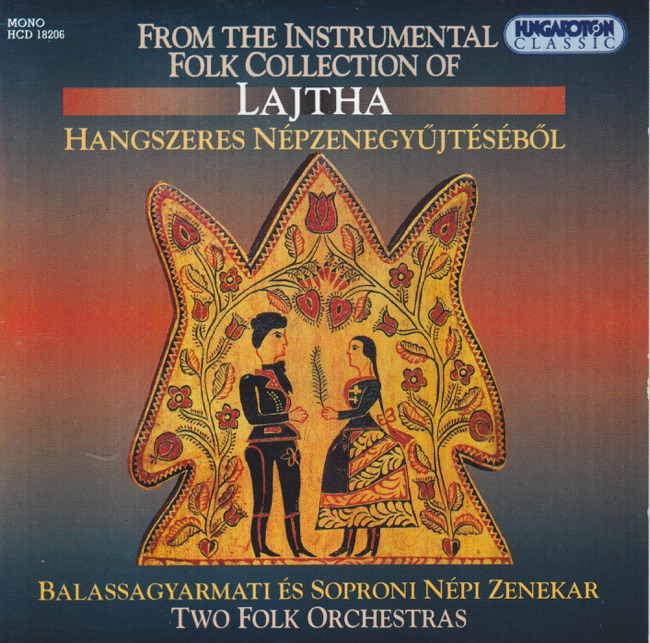 January 11, 2001
 -
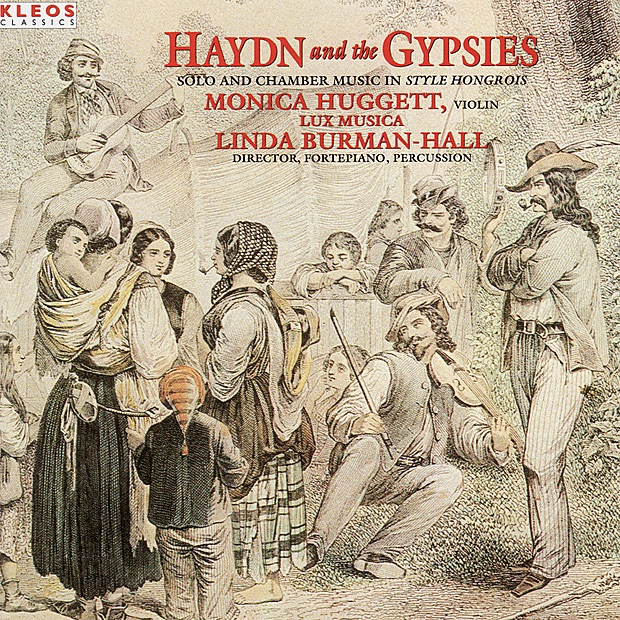
Orchestral
-
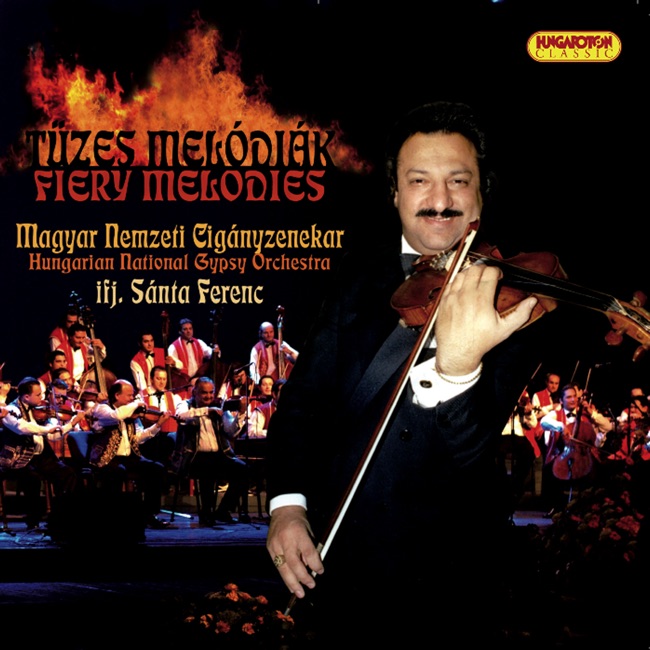 February 25, 2008
Artist Info
Role:ComposerGenre:OrchestralVocalHungarian Traditional is a classical music composer who is known for his unique style of blending traditional Hungarian folk music with classical music. He was born in Hungary in the early 20th century and grew up in a family of musicians. His parents were both professional musicians, and they encouraged him to pursue music from a young age. As a child, Hungarian Traditional showed a natural talent for music. He began playing the piano at the age of five and quickly progressed to other instruments, including the violin and the cimbalom, a traditional Hungarian instrument similar to a hammered dulcimer. He also began composing his own music at a young age, drawing inspiration from the folk music he heard in his community. Hungarian Traditional's early compositions were heavily influenced by the traditional music of Hungary. He incorporated elements of Hungarian folk music into his classical compositions, creating a unique sound that was both familiar and innovative. His early works were well-received by audiences and critics alike, and he quickly gained a reputation as a talented composer. In the 1930s, Hungarian Traditional began to gain international recognition for his work. He traveled to other countries to perform and to study music, and he was invited to compose music for a number of prestigious events and organizations. His compositions were featured in concerts and festivals around the world, and he became known as one of the most innovative and exciting composers of his time. One of Hungarian Traditional's most famous works is his "Hungarian Rhapsody No. 2," which was composed in the 1840s. This piece is a prime example of his unique style, blending traditional Hungarian folk music with classical music. The piece is known for its fast-paced, energetic rhythms and its use of the cimbalom, which gives it a distinctly Hungarian sound. Another notable work by Hungarian Traditional is his "Dances of Galánta," which was composed in the 1930s. This piece is based on traditional Hungarian dances from the town of Galánta, and it features a number of different dance styles, including the verbunkos, a traditional Hungarian dance that was often performed by soldiers. The piece is known for its lively rhythms and its use of traditional Hungarian instruments, including the cimbalom and the clarinet. Throughout his career, Hungarian Traditional continued to compose music that blended traditional Hungarian folk music with classical music. He was known for his innovative use of instruments and his ability to create music that was both familiar and new. His compositions continue to be performed and celebrated today, and he is remembered as one of the most important composers in the history of classical music.More....
Recent Artist Music
2
2:58
5
1:48

8
6:8
10
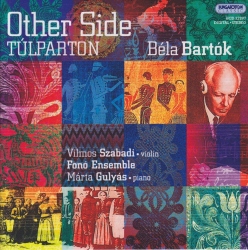
Work(s)
Meggyújtom a csumám (I light my fire) (Transdanubia, Hungary) / Két szál pünkösdrózsa (Two peonies)
3:43
13
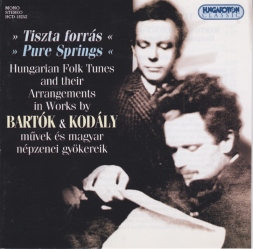
58
Copyright Ⓒ 2013 Davinci Finger. All rights reseved
Service Terms & Policy