


John Mundy
Released Album
Keyboard
Choral
-
 February 12, 2021
 -
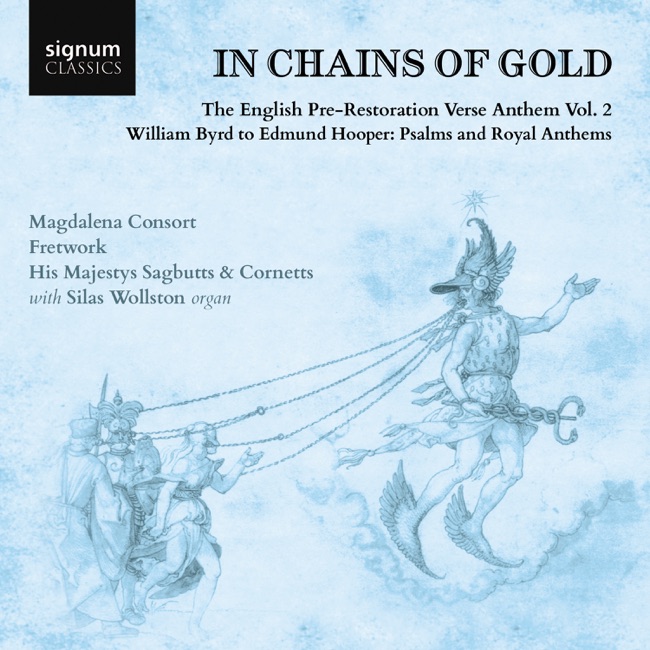
-
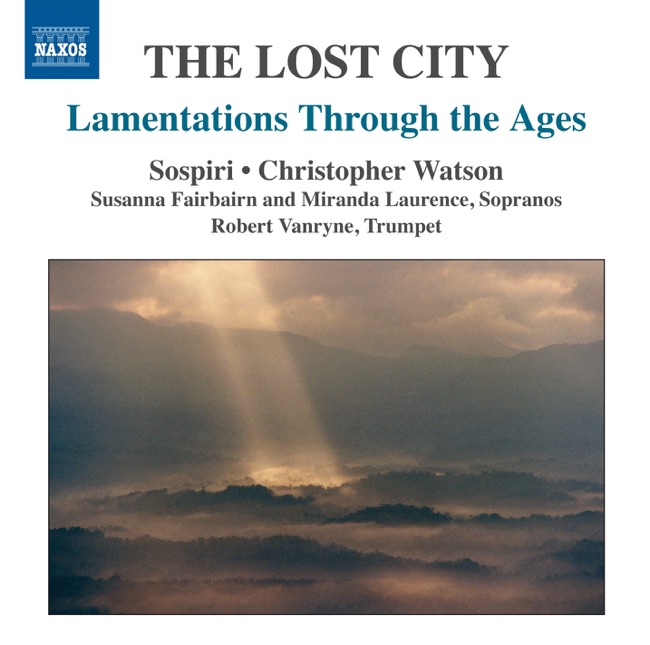 April 1, 2013
 -
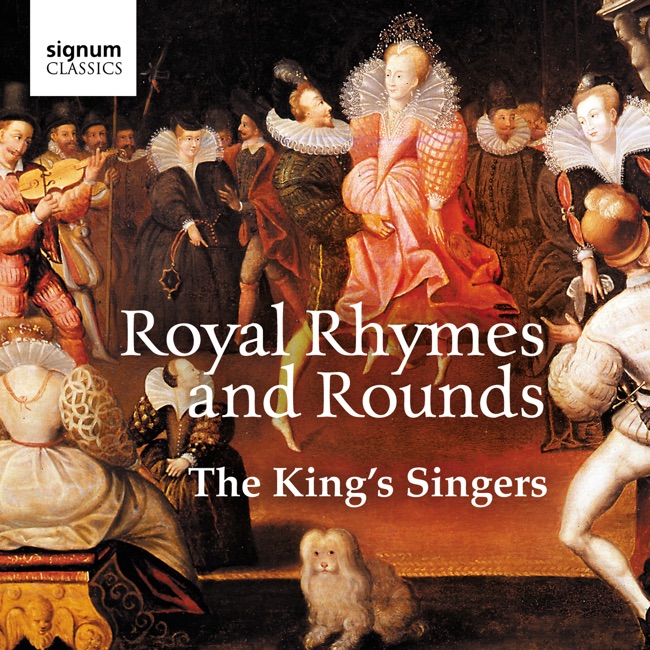 June 4, 2012
 -
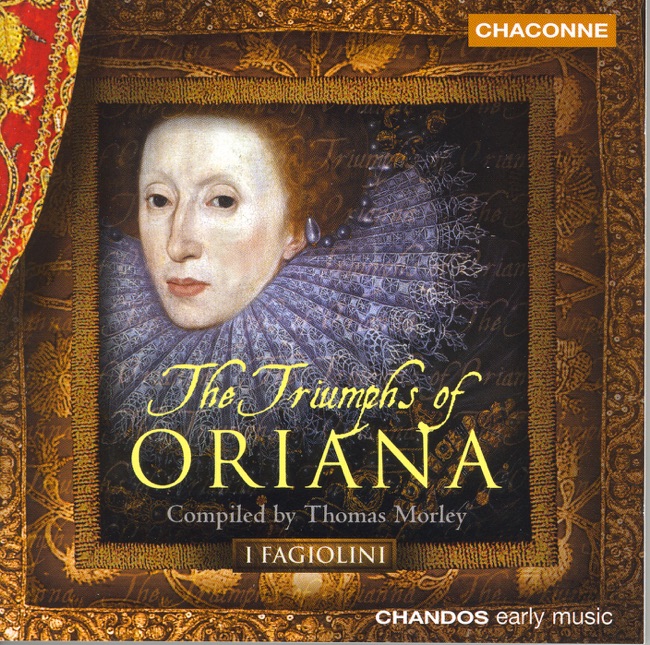 February 1, 2002
Artist Info
Role:ComposerCountry: United KingdomBirth:ca. 1555Death:June 29, 1630 in Windsor, Berkshire, EnglandPeriod:RenaissanceGenre:ChoralKeyboardJohn Mundy was a prominent English composer of the Renaissance era, known for his contributions to the development of English church music. He was born in London in 1555, the son of William Mundy, a musician and composer who served as a Gentleman of the Chapel Royal. John Mundy followed in his father's footsteps, becoming a member of the Chapel Royal himself and composing music for the church. Mundy's early musical education likely came from his father, who was a respected musician in his own right. He may have also received training from other members of the Chapel Royal, which was a prestigious institution that employed some of the most talented musicians in England. Mundy's first known composition, a setting of the Magnificat, was written in 1577 when he was just 22 years old. Over the course of his career, Mundy composed a wide variety of music for the church, including anthems, motets, and hymns. His works were known for their intricate polyphony and rich harmonies, which were characteristic of the Renaissance style. Mundy's music was often performed at important events, such as royal weddings and coronations, and he was highly regarded by his contemporaries. One of Mundy's most famous works is his setting of the hymn "Vox Patris caelestis," which was written for the coronation of Queen Elizabeth I in 1588. The piece is a complex and ornate composition that showcases Mundy's skill as a composer. It features intricate counterpoint and a soaring soprano line that is reminiscent of the music of the Italian Renaissance. Another notable work by Mundy is his setting of the anthem "O Lord, the Maker of all things," which was written for the funeral of Queen Elizabeth I in 1603. The piece is a somber and reflective composition that features a beautiful soprano solo and a richly harmonized chorus. It is considered one of Mundy's most moving works and is still performed today. Mundy's music was highly influential in the development of English church music, and his works were widely performed and admired during his lifetime. He was known for his skillful use of counterpoint and his ability to create complex and intricate compositions that were both beautiful and technically impressive. Mundy's music was also notable for its use of English texts, which was a departure from the Latin texts that were more commonly used in church music at the time. Despite his success as a composer, little is known about Mundy's personal life. He was married and had at least one son, but few details about his family or personal relationships have survived. Mundy died in 1630 at the age of 75, leaving behind a legacy of beautiful and influential music that continues to be celebrated today.More....
Recent Artist Music
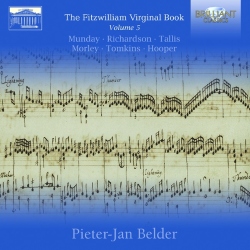
10
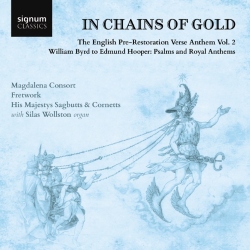
4:44
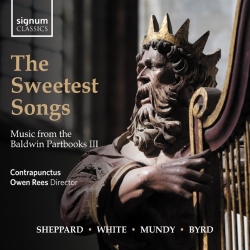
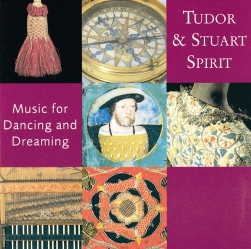
Copyright Ⓒ 2013 Davinci Finger. All rights reseved
Service Terms & Policy