


Manuel Enriquez
Released Album
Chamber
-
 September 30, 2016
 -
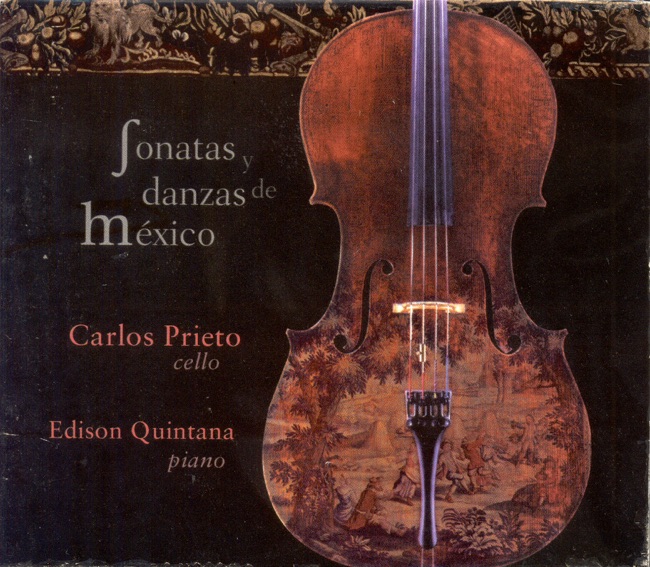 April 3, 2001
 -
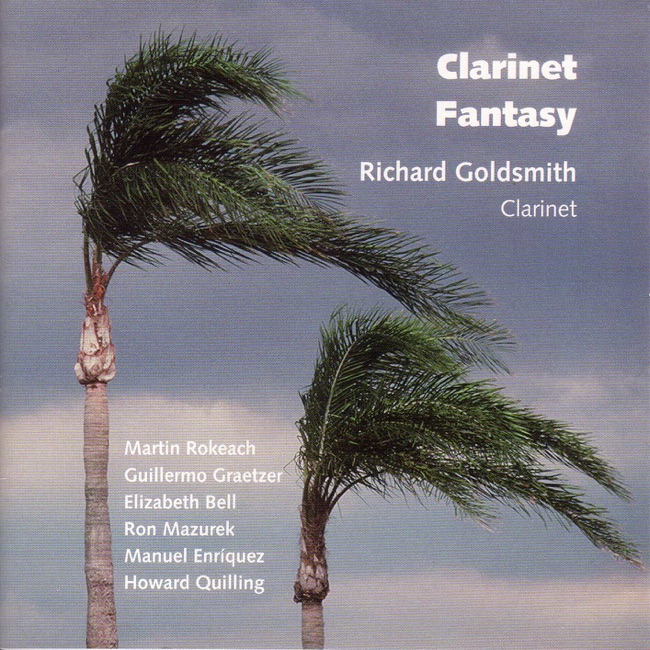 December 1, 1995
Miscellaneous
-
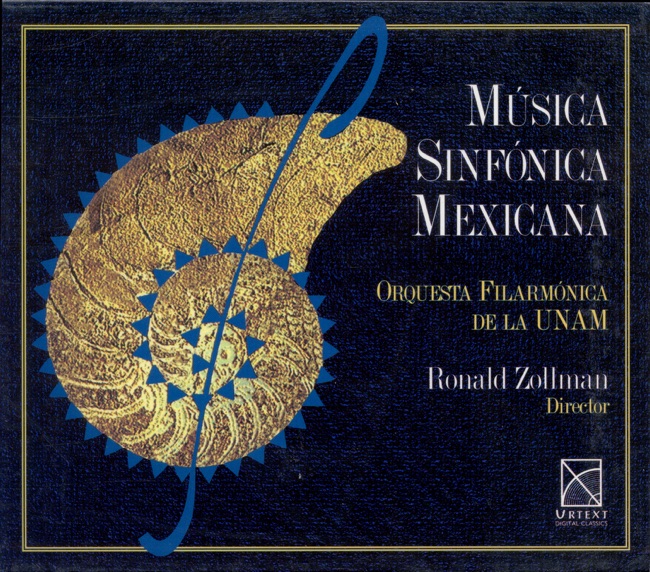 June 1, 2009
Keyboard
-
 April 9, 1996
 -
 June 9, 1993
Artist Info
Role:ComposerBirth:June 17, 1926 in Ocotlán, Jalisco, MexicoDeath:April 26, 1994Period:ContemporaryGenre:ChamberKeyboardManuel Enriquez was a Mexican composer and conductor who was born on January 3, 1926, in Mexico City. He was the son of a Spanish father and a Mexican mother, and he grew up in a musical family. His father was a pianist, and his mother was a singer, so music was always a part of his life. Enriquez began his musical studies at a young age, and he showed great talent as a pianist. He studied at the National Conservatory of Music in Mexico City, where he was taught by some of the most prominent musicians of the time, including Carlos Chavez and Rodolfo Halffter. He also studied composition with Julian Carrillo, who was a pioneer of microtonal music. Enriquez's early works were influenced by the Mexican nationalist movement, which sought to create a distinct Mexican identity in music. He was also influenced by the avant-garde music of Europe, particularly the works of Arnold Schoenberg and Anton Webern. His early works, such as his String Quartet No. 1 and his Piano Sonata No. 1, show a strong influence from these composers. In the 1950s, Enriquez began to experiment with electronic music, which was a relatively new field at the time. He created a number of works for tape, including his Electronic Study No. 1 and his Electronic Study No. 2. These works were groundbreaking in Mexico, and they helped to establish Enriquez as a leading figure in the country's avant-garde music scene. Enriquez's music continued to evolve throughout the 1960s and 1970s. He began to incorporate elements of jazz and rock music into his compositions, and he also began to experiment with new forms and structures. His works from this period, such as his Symphony No. 2 and his Concerto for Piano and Orchestra, show a great deal of experimentation and innovation. In addition to his work as a composer, Enriquez was also a respected conductor. He served as the music director of the National Symphony Orchestra of Mexico from 1973 to 1976, and he also conducted many other orchestras throughout Mexico and the United States. He was known for his passionate and energetic conducting style, and he was highly respected by his colleagues and students. Enriquez's music has been performed by many of the world's leading orchestras and ensembles, including the New York Philharmonic, the London Symphony Orchestra, and the Berlin Philharmonic. He has received numerous awards and honors for his work, including the National Prize for Arts and Sciences in the Fine Arts in 1980. Some of Enriquez's most notable works include his Symphony No. 1, which was premiered in 1956 and is considered one of the most important works in Mexican classical music. The symphony is a powerful and emotional work that reflects the struggles and triumphs of the Mexican people. Another notable work is his String Quartet No. 2, which was premiered in 1960 and is considered one of the most important works in the Mexican avant-garde music scene. Enriquez's music is characterized by its emotional intensity, its innovative use of form and structure, and its incorporation of diverse musical influences. He was a true pioneer in Mexican classical music, and his work continues to inspire and influence musicians and composers around the world.More....




Copyright Ⓒ 2013 Davinci Finger. All rights reseved
Service Terms & Policy