


Donald H. White
Released Album
Chamber
-
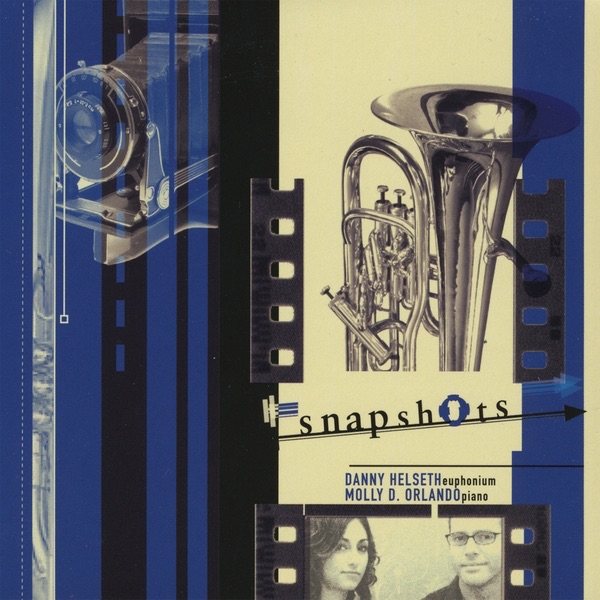 January 28, 2009
 -
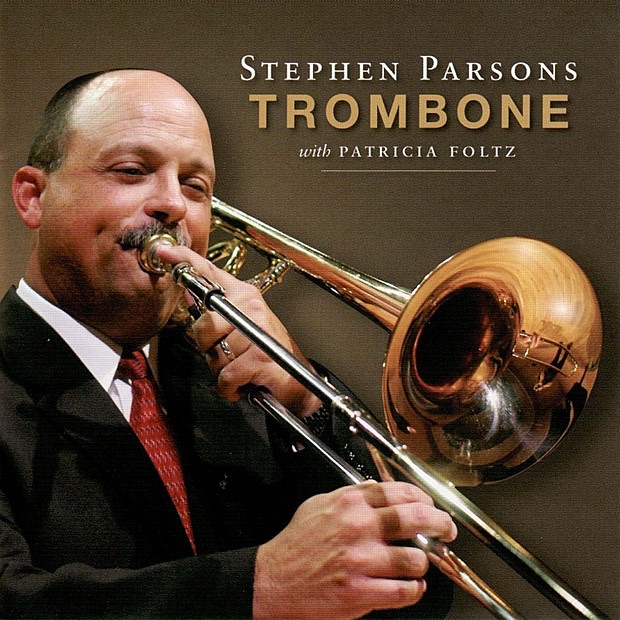 November 11, 2008
 -
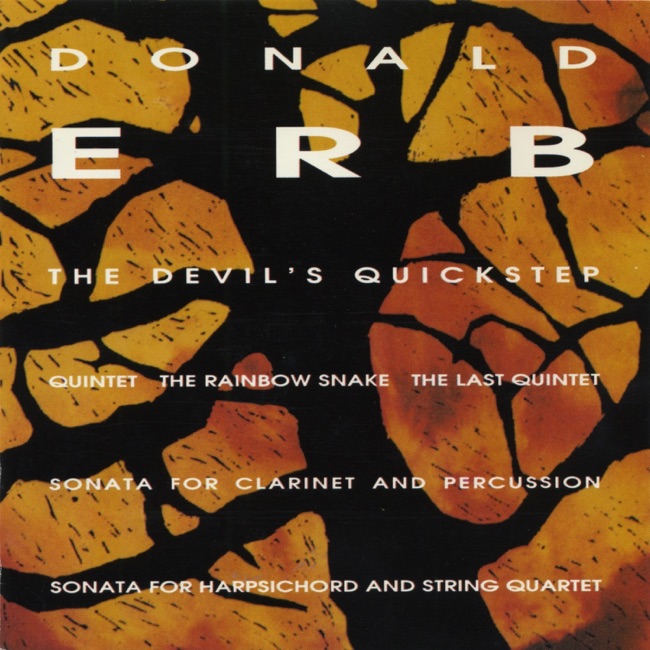 June 10, 1994
Artist Info
Role:ComposerPeriod:ModernGenre:ChamberDonald H. White was an American composer and music educator who made significant contributions to the world of classical music. Born on December 12, 1921, in New York City, White showed an early interest in music and began playing the piano at the age of six. He went on to study music at the Juilliard School, where he received a Bachelor of Music degree in 1943. After completing his studies, White served in the United States Army during World War II. He was stationed in Europe, where he played the piano for troops and composed music for military bands. After the war, he returned to the United States and continued his education at Columbia University, where he earned a Master of Arts degree in musicology. White began his career as a music educator, teaching at various schools and universities throughout the United States. He was a professor of music at the University of Michigan from 1952 to 1964, and later served as the chairman of the music department at the University of North Carolina at Chapel Hill from 1964 to 1971. He also taught at the University of California, Los Angeles, and the University of Southern California. Throughout his career, White composed a wide range of music, including orchestral works, chamber music, and vocal music. His compositions were known for their lyrical melodies, rich harmonies, and intricate rhythms. He was particularly interested in exploring the possibilities of electronic music, and was one of the first composers to use electronic instruments in his compositions. One of White's most famous works is his Symphony No. 1, which was composed in 1955. The symphony is a four-movement work that features lush orchestration and complex harmonies. The first movement, marked "Allegro moderato," is a lively and energetic piece that showcases White's skill at creating intricate rhythms. The second movement, marked "Adagio," is a slow and contemplative piece that features a haunting melody played by the strings. The third movement, marked "Scherzo," is a playful and whimsical piece that features a lively dance rhythm. The final movement, marked "Allegro con fuoco," is a fiery and dramatic piece that brings the symphony to a thrilling conclusion. Another notable work by White is his String Quartet No. 1, which was composed in 1960. The quartet is a three-movement work that features intricate counterpoint and rich harmonies. The first movement, marked "Allegro moderato," is a lively and energetic piece that showcases the virtuosity of the string players. The second movement, marked "Adagio," is a slow and contemplative piece that features a beautiful melody played by the first violin. The final movement, marked "Allegro con fuoco," is a fiery and dramatic piece that brings the quartet to a thrilling conclusion. In addition to his compositions, White was also a respected musicologist and wrote extensively on the history and theory of music. He was particularly interested in the music of the Renaissance and Baroque periods, and wrote several books on the subject. His book, "Music in the Renaissance," is considered a classic in the field and is still widely read today. White's contributions to the world of classical music were recognized with numerous awards and honors. He was a fellow of the American Academy of Arts and Sciences, and was awarded the Guggenheim Fellowship in 1957. He was also a recipient of the National Endowment for the Arts Composer's Grant in 1974. Donald H.More....
Recent Artist Music
Copyright Ⓒ 2013 Davinci Finger. All rights reseved
Service Terms & Policy