


Manuel Blasco de Nebra
Released Album
Keyboard
-

-
 May 11, 2010
 -
 August 25, 2009
 -
 May 20, 2009
 -
 May 30, 2006
 -
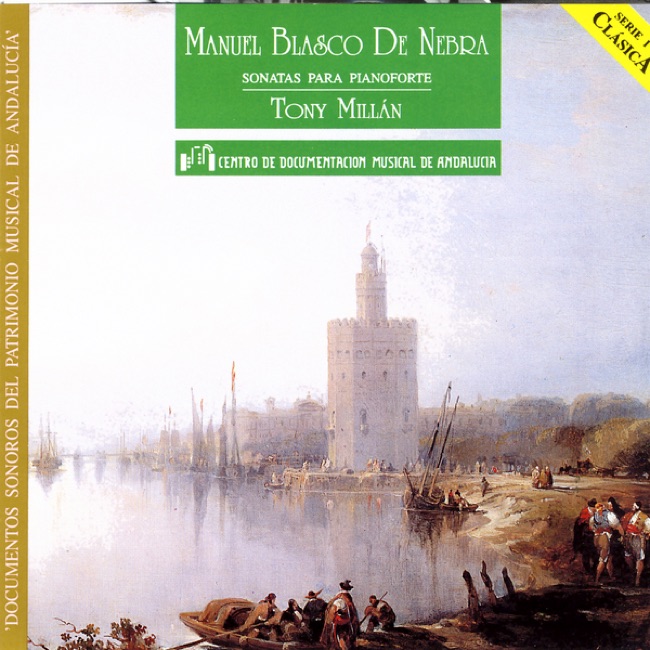 February 15, 1999
Miscellaneous
-
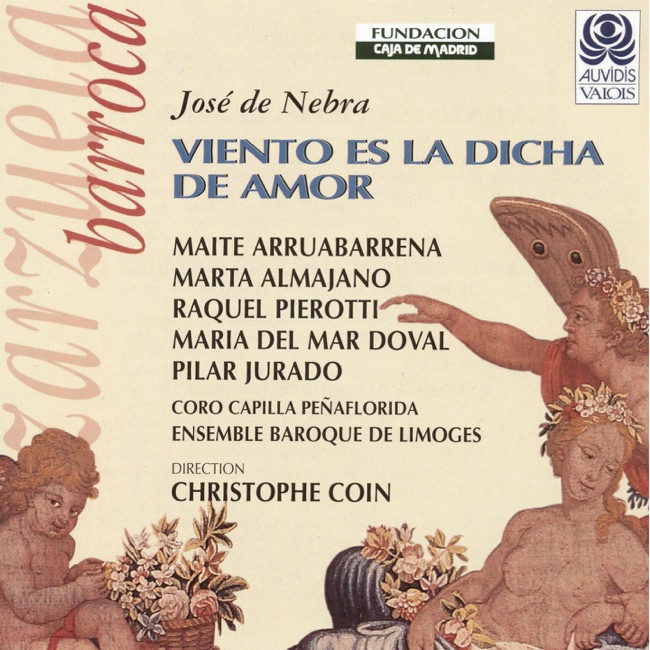 July 1, 1996
Vocal
-
 July 26, 2011
Artist Info
Role:ComposerCountry: SpainBirth:1750 in Seville, SpainDeath:September 12, 1784 in Seville, SpainPeriod:ClassicalGenre:KeyboardManuel Blasco de Nebra was a Spanish composer and organist who lived during the 18th century. He was born in Calatayud, a town in the province of Zaragoza, on January 8, 1750. His father, Francisco Blasco, was also a musician and served as the organist at the local church. Manuel grew up in a musical environment and showed an early talent for music. He received his first music lessons from his father and later studied with the organist of the Cathedral of Zaragoza, Francisco Javier García Fajer. In 1767, at the age of 17, Manuel moved to Madrid to continue his musical education. He studied with the renowned composer and theorist Antonio Soler, who was a major influence on his musical style. Manuel also studied with the organist of the Royal Chapel, José de Nebra, who was not related to him despite sharing the same surname. Manuel became a skilled organist and was appointed as the organist of the Royal Convent of La Encarnación in Madrid in 1776. Manuel Blasco de Nebra was a prolific composer who wrote music in various genres, including keyboard music, chamber music, and vocal music. His music is characterized by its elegance, clarity, and expressive melodies. He was particularly skilled in writing for the keyboard and his works for the harpsichord and organ are considered some of the finest examples of Spanish keyboard music of the 18th century. One of Manuel's most famous works is his set of six sonatas for keyboard, which he published in 1778. These sonatas are written in the galant style, which was popular in Europe at the time, and feature lively rhythms, graceful melodies, and virtuosic keyboard writing. The sonatas are also notable for their use of Spanish dance forms, such as the fandango and the bolero, which give them a distinctively Spanish flavor. Manuel also wrote several works for chamber ensemble, including string quartets and quintets. His string quartets are particularly noteworthy for their use of counterpoint and their expressive melodies. His quintets, which are scored for two violins, viola, cello, and keyboard, are also notable for their virtuosic keyboard writing and their use of Spanish dance rhythms. In addition to his instrumental music, Manuel also wrote vocal music, including operas, cantatas, and sacred music. His operas, which were performed at the Royal Theatre in Madrid, were well-received and helped to establish him as one of the leading composers of his time. His sacred music, which includes masses, motets, and hymns, is characterized by its simplicity and its expressive melodies. Manuel Blasco de Nebra died in Madrid on November 14, 1784, at the age of 34. Despite his relatively short life, he left behind a significant body of work that continues to be admired and performed today. His music is an important part of the Spanish classical music tradition and is recognized for its elegance, expressiveness, and Spanish flavor.More....
Recent Artist Music
1
5:22
2
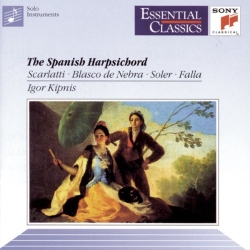
5:44
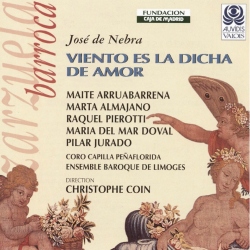
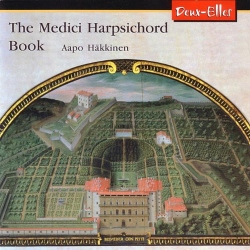
5
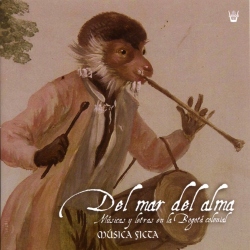
2:17
6
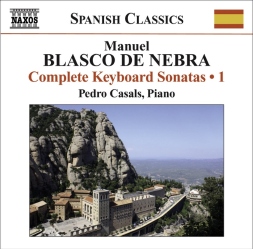
4:17
7
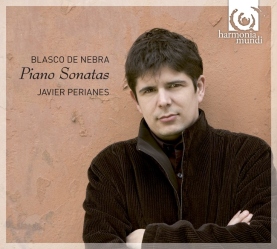
4:8
8
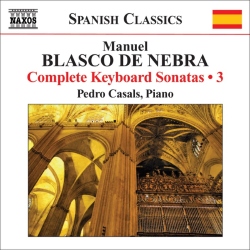
9:38
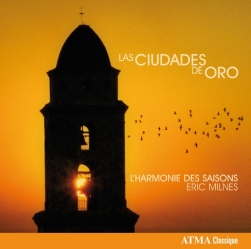
11
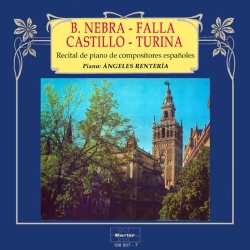
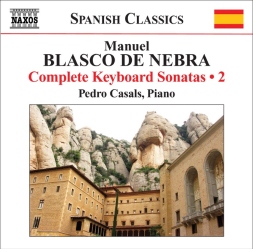
Sonata for harpsichord or piano No. 5 in F sharp minor, Op. 1/5
Sonata No. 5 para piano in F-Sharp Minor, Op. 1. I. Adagio - II. Presto
6:27
12
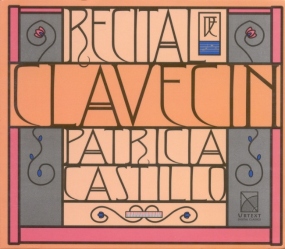
7:36
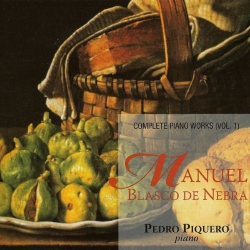
15
5:40
Copyright Ⓒ 2013 Davinci Finger. All rights reseved
Service Terms & Policy