


Woldemar Bargiel
Released Album
Chamber
-
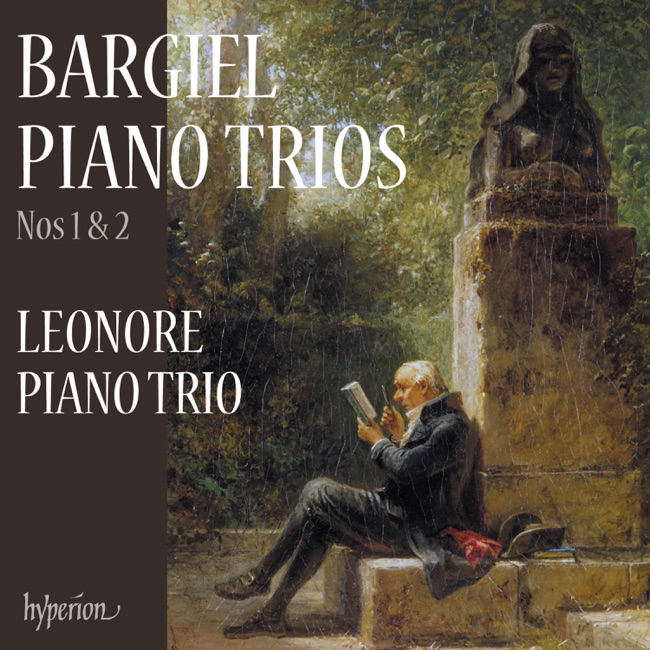 April 1, 2022
 -
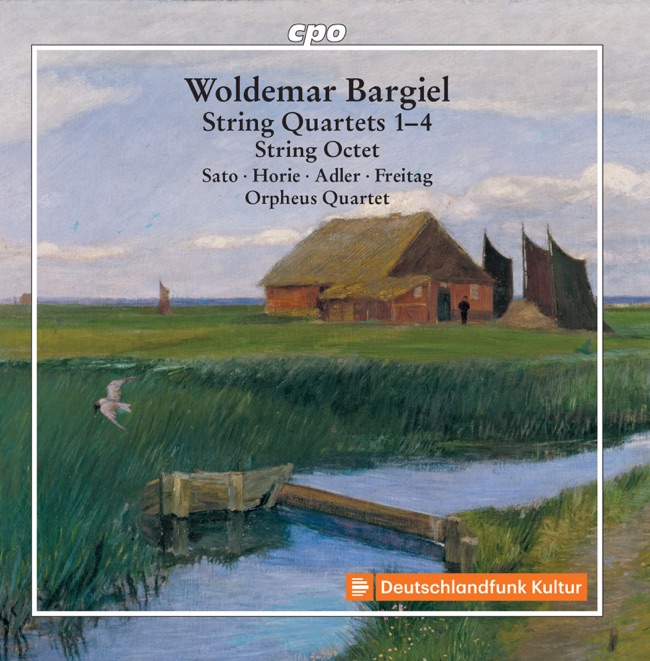 January 4, 2019
 -
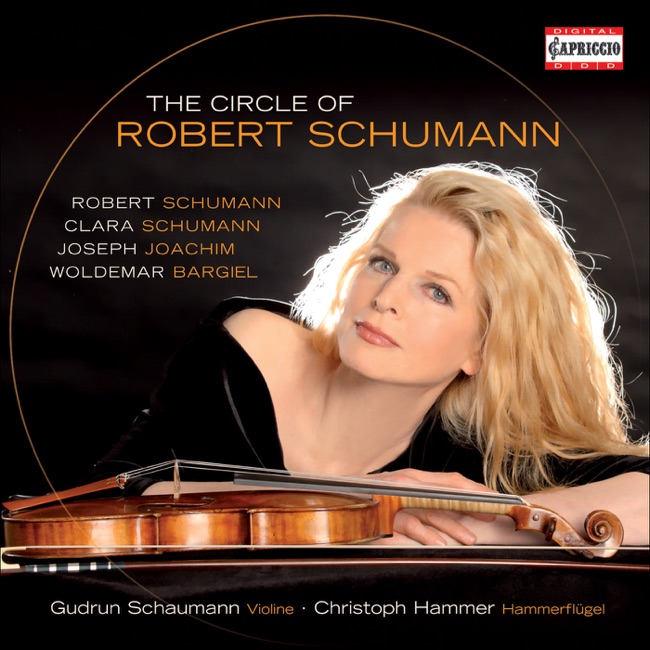 May 25, 2010
 -
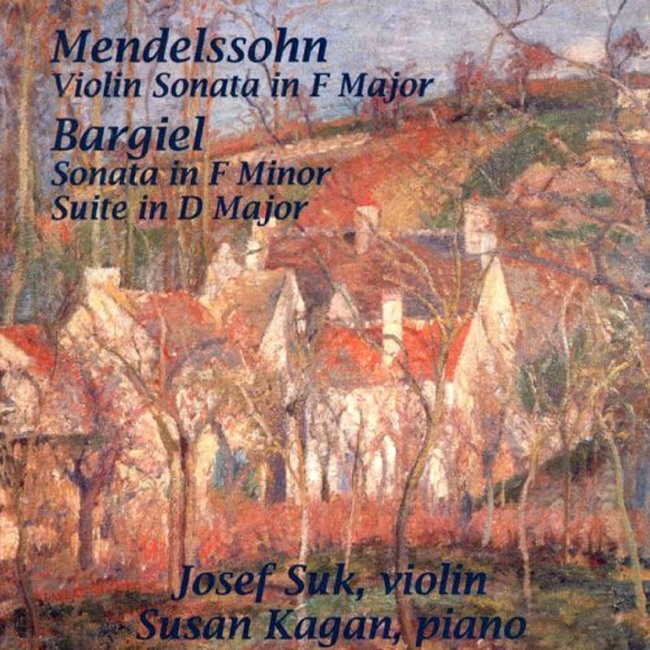
-
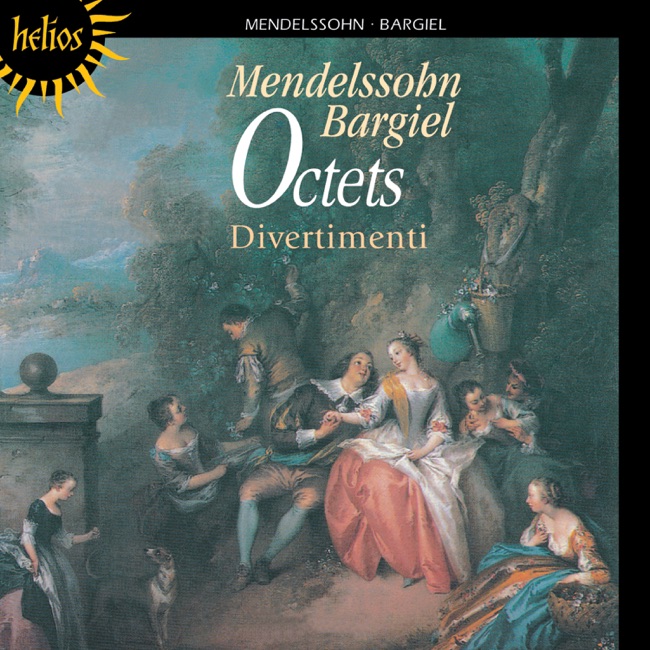 March 1, 1990
Concerto
-
 April 4, 2000
Symphony
-
 November 11, 2014
Artist Info
Role:ComposerCountry: GermanyBirth:October 3, 1828 in Berlin, GermanyDeath:February 23, 1897 in Berlin, GermanyPeriod:RomanticGenre:ChamberConcertoKeyboardWoldemar Bargiel was a German composer and pianist who lived from 1828 to 1897. He was born in Berlin, Germany, on October 3, 1828, to a family of musicians. His father, Adolph Bargiel, was a cellist and composer, and his mother, Therese, was a singer. Woldemar was the youngest of three children, and both of his siblings, Clara and Hermann, were also musicians. Woldemar showed an early interest in music and began taking piano lessons at the age of six. He later studied composition with his father and with the composer and pianist Carl Loewe. In 1846, at the age of 18, he entered the Leipzig Conservatory, where he studied piano with Ignaz Moscheles and composition with Felix Mendelssohn. After completing his studies at the Leipzig Conservatory, Bargiel worked as a pianist and composer in Berlin. He also taught piano and composition, and his students included the composer Engelbert Humperdinck. In 1858, he married the pianist and composer Clara Schumann, who was the widow of the composer Robert Schumann. Bargiel and Clara Schumann had no children, but they remained married until Bargiel's death in 1897. Bargiel's compositions include works for piano, chamber music, and orchestral music. His early works show the influence of Mendelssohn, but he later developed his own style, which was characterized by lyrical melodies and rich harmonies. His chamber music is particularly noteworthy, and he wrote several string quartets, piano trios, and other works for small ensembles. One of Bargiel's most famous works is his Piano Quartet in C minor, Op. 9, which he composed in 1851. The quartet is a dramatic and emotional work, with a powerful opening movement and a hauntingly beautiful slow movement. It has been praised for its originality and its skillful use of the piano as both a solo instrument and a member of the ensemble. Another notable work by Bargiel is his Symphony in C minor, Op. 30, which he composed in 1878. The symphony is a large-scale work that shows Bargiel's mastery of orchestration and his ability to create powerful and memorable melodies. It has been compared to the symphonies of Brahms and Schumann, and it is considered one of Bargiel's most important works. Bargiel's other works include several piano sonatas, a piano concerto, and numerous songs and choral works. He also wrote music for the theater, including an opera, Die Diamantenkönigin (The Diamond Queen), which was premiered in Berlin in 1874. Despite his talent as a composer, Bargiel never achieved the same level of fame as some of his contemporaries, such as Brahms and Schumann. However, his music has been rediscovered in recent years, and there has been renewed interest in his work. His chamber music, in particular, has been praised for its beauty and originality, and it is now frequently performed and recorded. Bargiel died in Frankfurt, Germany, on February 23, 1897, at the age of 68. He was buried in the family plot in Berlin, alongside his father and brother. Although he may not have achieved the same level of fame as some of his contemporaries, his music continues to be appreciated by musicians and audiences around the world.More....
Recent Artist Music
2
14:4
5
18:20
7
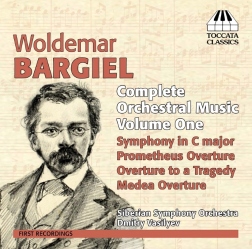
14:47
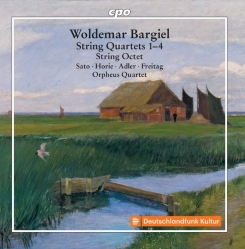
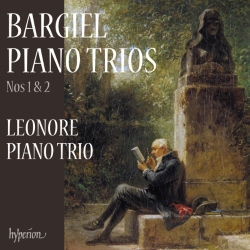
Copyright Ⓒ 2013 Davinci Finger. All rights reseved
Service Terms & Policy