


Saburo Takata
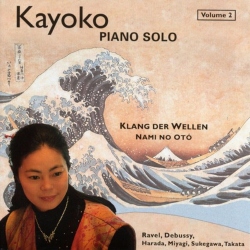
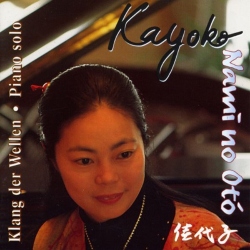
Released Album
Keyboard
-
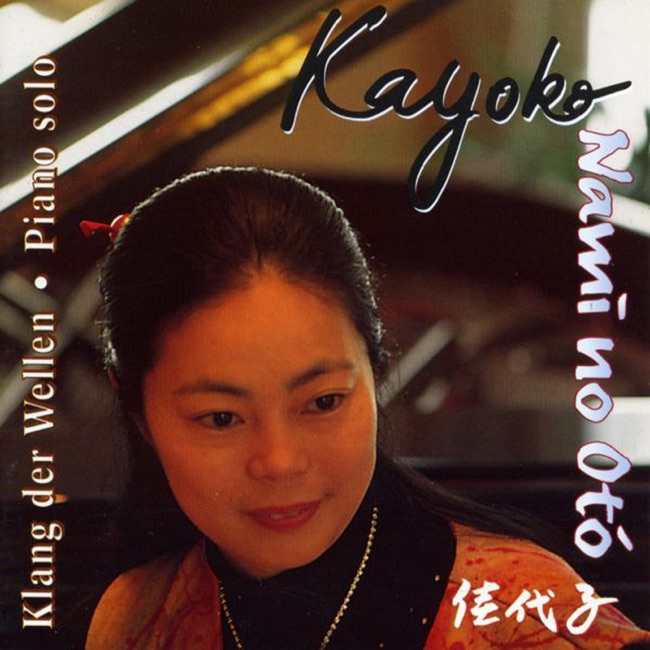 September 2, 2008
 -
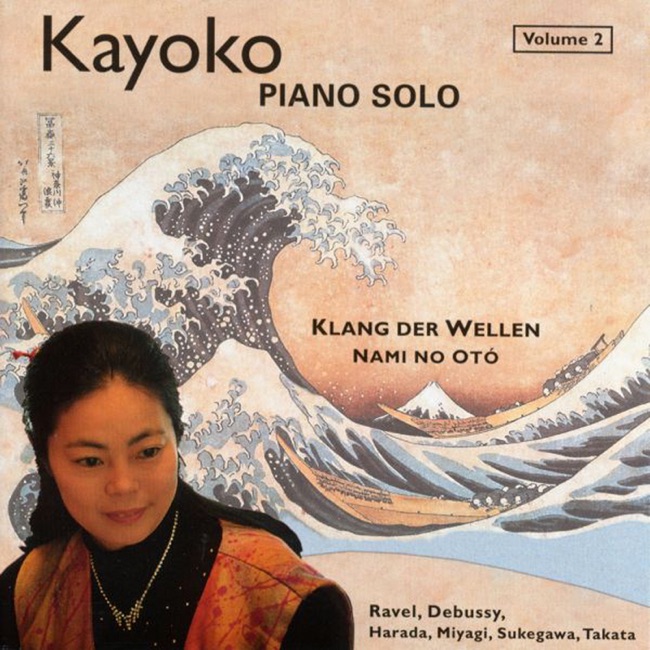 September 2, 2008
Vocal
-
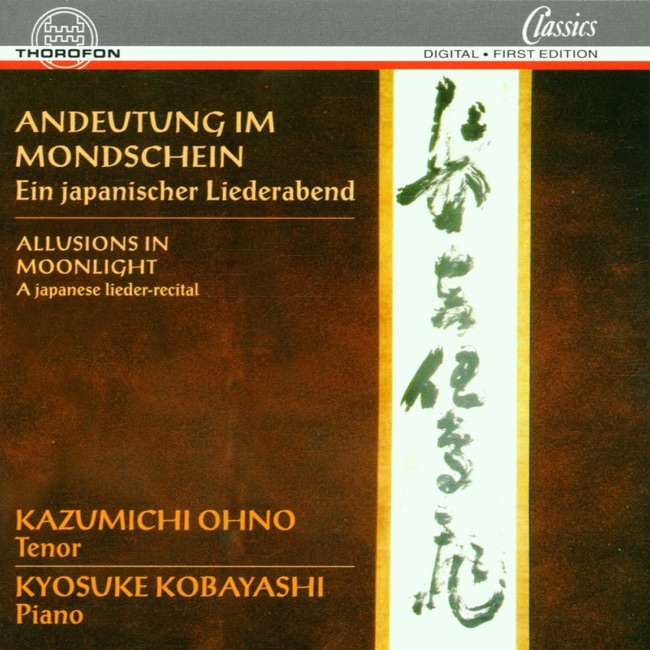 June 18, 1996
Artist Info
Role:ComposerBirth:1931Genre:VocalSaburo Takata was a Japanese classical music composer who was born on March 15, 1920, in Tokyo, Japan. He was the youngest of three children and grew up in a family that was passionate about music. His father was a violinist, and his mother was a pianist, so it was only natural that Saburo would develop an interest in music at a young age. Saburo began his musical education at the age of six when he started taking piano lessons from his mother. He showed a natural talent for the instrument and quickly progressed. By the time he was ten years old, he had already composed his first piece of music, a short piano piece that he played for his family. In 1935, Saburo entered the Tokyo Music School, where he studied composition under the tutelage of Kozaburo Hirai. He also studied piano and conducting, but it was composition that he was most passionate about. During his time at the school, Saburo composed several pieces of music, including a piano concerto that was performed by the school's orchestra. After graduating from the Tokyo Music School in 1940, Saburo began working as a composer and arranger for the Japanese Broadcasting Corporation. He also continued to compose his own music, and in 1942, he won first prize in a national composition competition for his orchestral work, "Symphony No. 1." During World War II, Saburo served in the Japanese military as a musician. He played the piano and conducted military bands, but he also continued to compose music whenever he had the opportunity. After the war ended, Saburo returned to his work at the Japanese Broadcasting Corporation and resumed his career as a composer. In the years that followed, Saburo composed a wide variety of music, including orchestral works, chamber music, and vocal music. He was particularly interested in incorporating traditional Japanese music into his compositions, and many of his works feature elements of Japanese folk music and traditional instruments. One of Saburo's most famous works is his "Concerto for Koto and Orchestra," which he composed in 1958. The concerto features the koto, a traditional Japanese stringed instrument, and is a beautiful blend of Western classical music and Japanese folk music. The piece has been performed by orchestras around the world and is considered a masterpiece of modern Japanese classical music. Another notable work by Saburo is his "Symphony No. 2," which he composed in 1965. The symphony is a powerful and emotional work that reflects Saburo's experiences during World War II. It features a large orchestra and is divided into four movements, each of which represents a different aspect of the war. Throughout his career, Saburo received numerous awards and honors for his contributions to classical music. In 1970, he was awarded the Order of the Rising Sun, one of Japan's highest honors, for his achievements in music. He also received the Japan Art Academy Prize in 1980 and the Suntory Music Award in 1985. Saburo continued to compose music until his death in 1994 at the age of 74. His legacy as one of Japan's greatest classical music composers lives on through his music, which continues to be performed and admired by musicians and audiences around the world.More....
Copyright Ⓒ 2013 Davinci Finger. All rights reseved
Service Terms & Policy