


Eric Gaudibert
Released Album
Miscellaneous
-
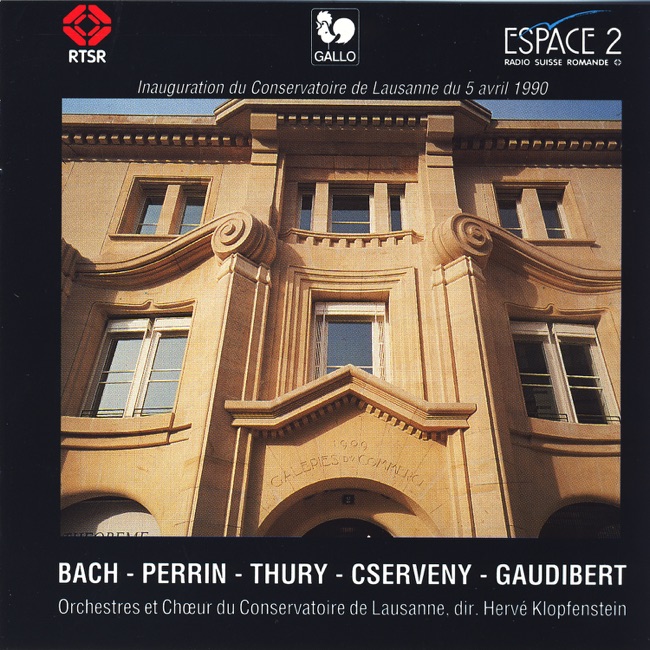 December 12, 1995
Concerto
-
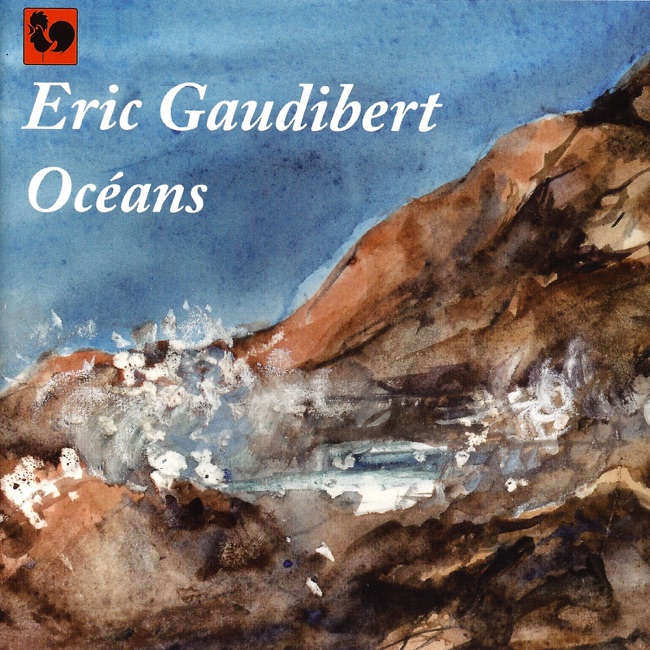 September 14, 2010
Choral
-
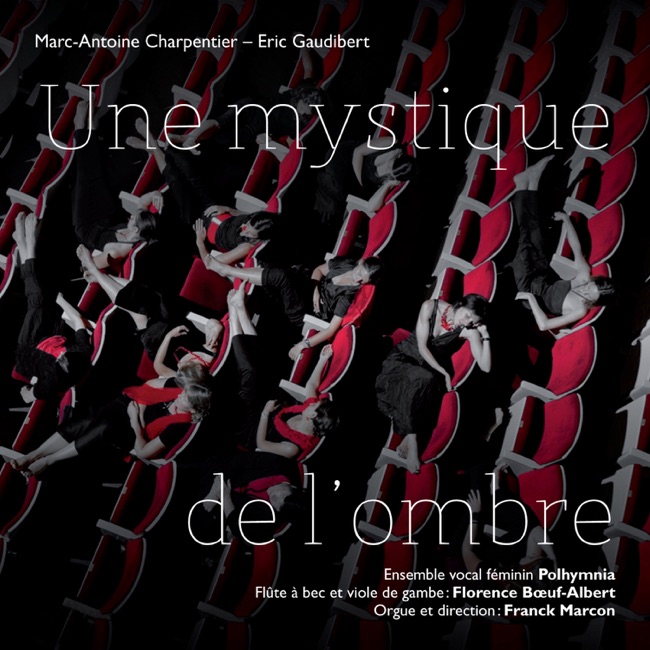 October 9, 2012
Artist Info
Role:ComposerBirth:December 21, 1936 in Vevey, SwitzerlandDeath:June 28, 2012 in Confignon, SwitzerlandPeriod:ContemporaryModernGenre:ChamberOrchestralEric Gaudibert was a French composer born on May 12, 1953, in Paris, France. He grew up in a family of musicians, with his father being a pianist and his mother a singer. From a young age, Gaudibert showed a keen interest in music and began playing the piano at the age of six. He later went on to study music at the Conservatoire de Paris, where he excelled in composition. Gaudibert's early works were heavily influenced by the classical music of the 18th and 19th centuries, particularly the works of Mozart and Beethoven. However, as he matured as a composer, he began to incorporate more modern elements into his music, drawing inspiration from the works of Stravinsky, Bartok, and Schoenberg. One of Gaudibert's most notable works is his Symphony No. 1, which he composed in 1982. The symphony is a complex and intricate work that showcases Gaudibert's mastery of orchestration and his ability to create rich and varied textures. The piece is divided into four movements, each of which explores a different mood and theme. The first movement is a lively and energetic allegro, while the second is a slow and contemplative adagio. The third movement is a playful scherzo, and the final movement is a triumphant allegro that brings the symphony to a rousing conclusion. Another of Gaudibert's notable works is his Piano Concerto, which he composed in 1990. The concerto is a virtuosic work that showcases Gaudibert's skill as a pianist as well as his talent as a composer. The piece is divided into three movements, each of which explores a different mood and theme. The first movement is a lively and energetic allegro, while the second is a slow and contemplative adagio. The final movement is a playful and virtuosic rondo that brings the concerto to a thrilling conclusion. In addition to his symphonies and concertos, Gaudibert also composed a number of chamber works, including string quartets, sonatas, and trios. One of his most notable chamber works is his String Quartet No. 1, which he composed in 1986. The quartet is a complex and intricate work that showcases Gaudibert's skill as a composer and his ability to create rich and varied textures. The piece is divided into four movements, each of which explores a different mood and theme. The first movement is a lively and energetic allegro, while the second is a slow and contemplative adagio. The third movement is a playful scherzo, and the final movement is a triumphant allegro that brings the quartet to a rousing conclusion. Throughout his career, Gaudibert was recognized for his contributions to classical music. He received numerous awards and honors, including the Prix de Rome in 1980 and the Grand Prix de la Ville de Paris in 1995. He was also a member of the Académie des Beaux-Arts and the Société des Compositeurs de Musique. Sadly, Gaudibert's life was cut short when he passed away on June 15, 2007, at the age of 54. However, his legacy lives on through his music, which continues to be performed and celebrated by musicians and audiences around the world.More....
Recent Artist Music
Copyright Ⓒ 2013 Davinci Finger. All rights reseved
Service Terms & Policy