


Isidro de Laporta
Released Album
Chamber
-
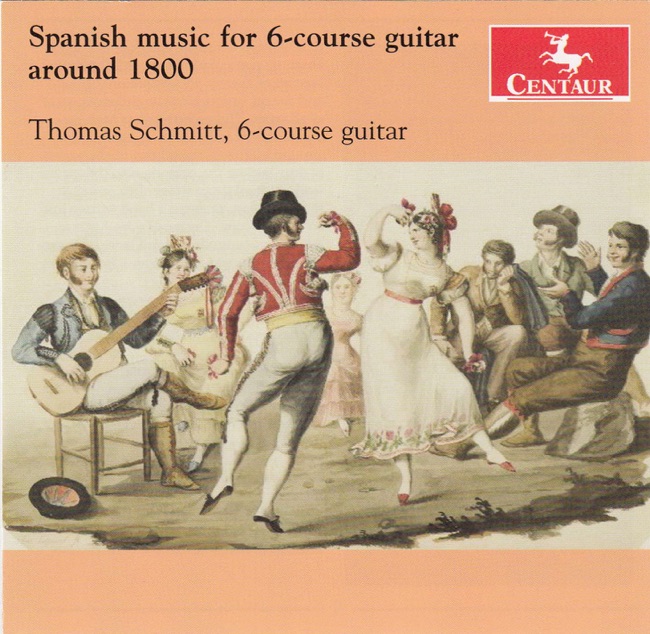 May 28, 2013
 -
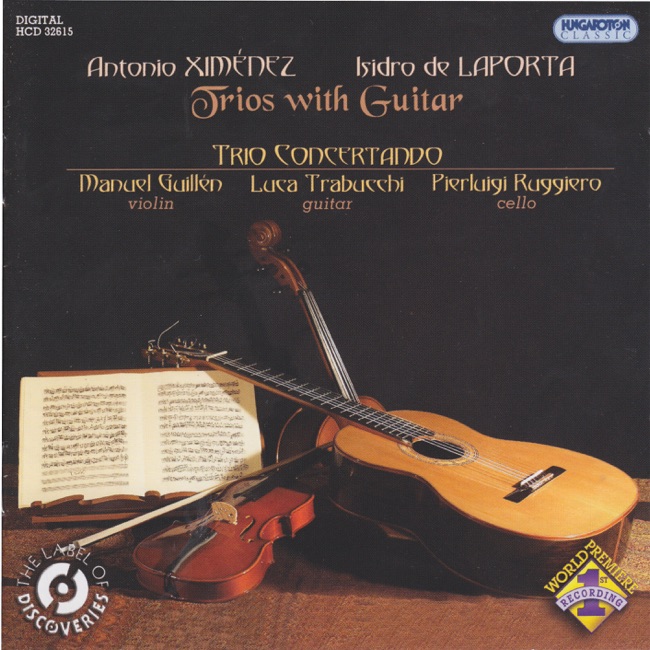 June 30, 2009
Artist Info
Role:ComposerCountry: SpainBirth:1750Death:1808Isidro de Laporta was a Spanish composer of classical music who lived from 1782 to 1838. He was born in the town of Alcoy, located in the province of Alicante in the Valencian Community of Spain. Laporta was born into a family of musicians, and his father was a well-known composer and music teacher in the region. From a young age, Laporta showed a great interest in music and began studying under his father's tutelage. Laporta's musical education continued when he moved to Valencia to study at the Royal Conservatory of Music. There, he studied under the renowned composer and conductor, Vicente Martín y Soler. Laporta's time at the conservatory was a formative period in his life, and he developed a deep appreciation for classical music and the works of composers such as Mozart, Haydn, and Beethoven. After completing his studies, Laporta returned to his hometown of Alcoy, where he began working as a music teacher and composer. He quickly gained a reputation as a talented composer, and his works were performed in concerts throughout the region. Laporta's music was characterized by its melodic beauty, harmonic complexity, and emotional depth. One of Laporta's most famous works is his Symphony No. 1 in C Major. This symphony was composed in 1810 and was premiered in Valencia the following year. The symphony is notable for its use of the sonata form and its incorporation of Spanish folk melodies. The work was well-received by audiences and critics alike, and it helped establish Laporta as one of the leading composers of his time. In addition to his symphonies, Laporta also composed a number of chamber works, including string quartets and piano sonatas. One of his most famous chamber works is his String Quartet No. 1 in D Major. This work was composed in 1815 and is notable for its use of counterpoint and its lyrical melodies. The quartet was performed throughout Spain and was praised for its technical skill and emotional depth. Laporta's music was also influenced by the political and social changes that were taking place in Spain during his lifetime. In 1810, Spain was invaded by Napoleon's army, and the country was plunged into a period of political turmoil and social upheaval. Laporta's music reflected these changes, and he often incorporated themes of patriotism and national identity into his works. One of Laporta's most patriotic works is his Overture to the Siege of Valencia. This work was composed in 1812 and was inspired by the siege of Valencia by French forces during the Peninsular War. The overture is characterized by its use of military themes and its dramatic intensity. The work was performed throughout Spain and helped to galvanize support for the Spanish resistance against the French. Laporta's music continued to evolve throughout his career, and he remained an important figure in the Spanish classical music scene until his death in 1838. His works were performed by some of the leading orchestras and ensembles of his time, and his influence can still be heard in the works of contemporary Spanish composers. In conclusion, Isidro de Laporta was a talented composer of classical music who played an important role in the development of Spanish music during the early 19th century. His works were characterized by their melodic beauty, harmonic complexity, and emotional depth, and they helped to establish him as one of the leading composers of his time.More....
Recent Artist Music

Copyright Ⓒ 2013 Davinci Finger. All rights reseved
Service Terms & Policy