


Andrei Osipovich Sychra
Released Album
Chamber
-
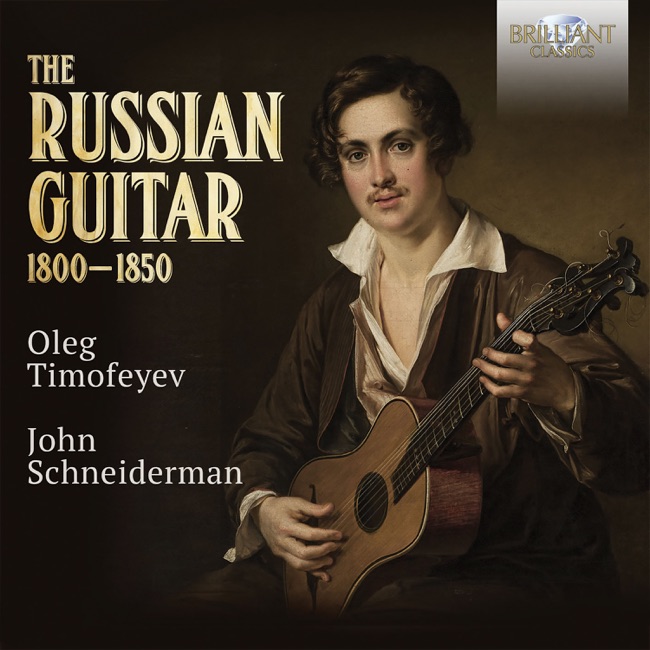 September 30, 2016
 -
 July 25, 2016
 -
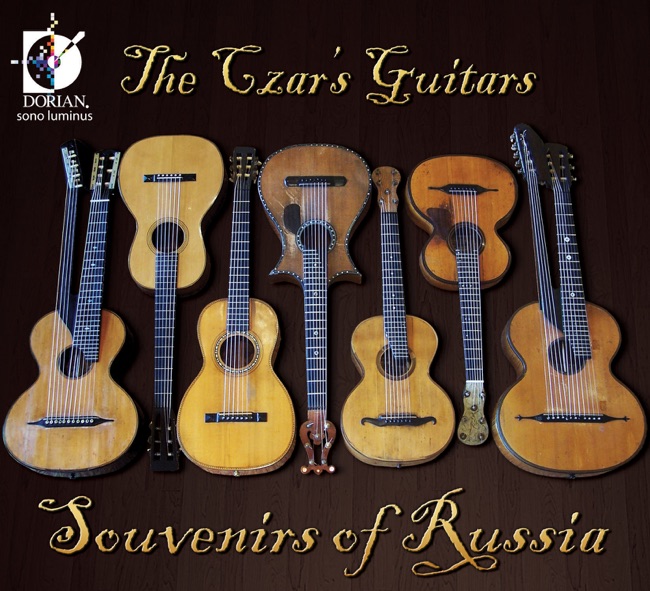 June 29, 2010
 -
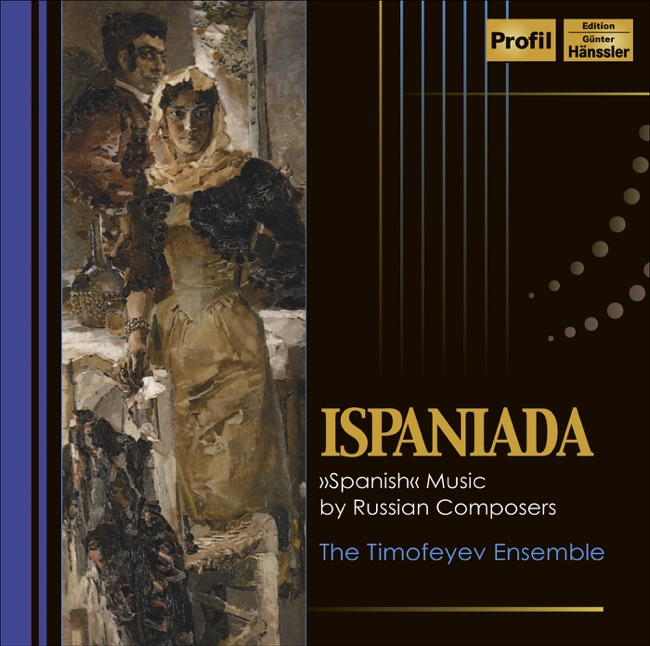 July 28, 2008
 -

-
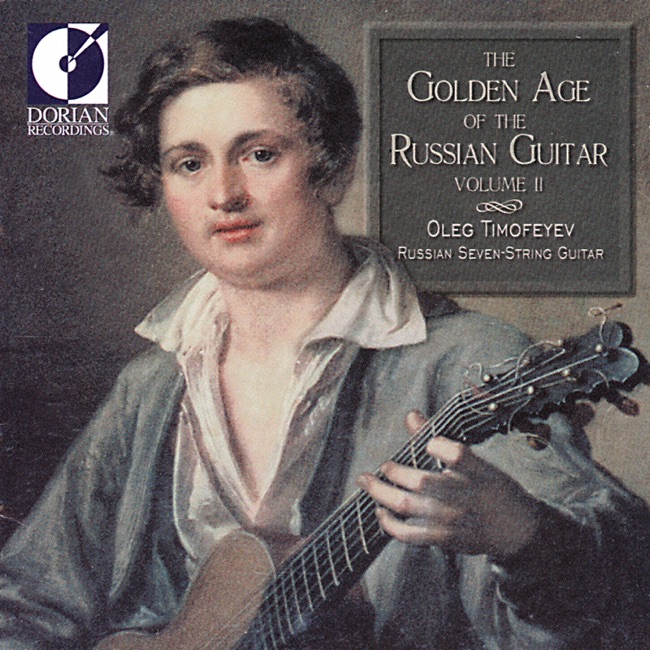 May 16, 2000
Artist Info
Role:ComposerBirth:1775Death:1850Genre:ChamberAndrei Osipovich Sychra was a Russian classical music composer and guitarist who lived during the 19th century. He was born on October 30, 1773, in the town of Kamenka, which is located in the Tambov region of Russia. Sychra was born into a family of musicians, and his father, Osip Sychra, was a well-known musician and composer in his own right. Sychra began his musical education at a young age, studying under his father and other local musicians. He quickly showed a talent for the guitar, and by the age of 14, he was already performing in public. In 1790, Sychra moved to Moscow to continue his musical education, studying under the famous Italian guitarist and composer, Filippo Gragnani. During his time in Moscow, Sychra became a popular performer and teacher, and he quickly gained a reputation as one of the best guitarists in Russia. He also began composing his own music, and his works were well-received by audiences and critics alike. In 1802, Sychra was appointed as the official guitar teacher to the Russian Imperial Court, a position he held for the rest of his life. Sychra's music was heavily influenced by the classical music of his time, as well as the traditional folk music of Russia. His compositions were known for their technical complexity and virtuosity, and they often featured intricate fingerpicking patterns and complex harmonies. Sychra's music was also notable for its use of Russian folk melodies and rhythms, which gave his works a distinctly Russian flavor. One of Sychra's most famous works is his "Grand Sonata in C Major," which was composed in 1815. The piece is a tour-de-force of technical skill and musicality, and it showcases Sychra's ability to blend classical and folk elements into a cohesive whole. The sonata is divided into four movements, each of which explores a different mood and musical theme. Another notable work by Sychra is his "Variations on a Russian Theme," which was composed in 1818. The piece is based on a traditional Russian folk melody, and Sychra's variations on the theme are both inventive and musically satisfying. The work is a testament to Sychra's ability to take traditional folk music and transform it into something new and exciting. Sychra's music was not only popular in Russia but also gained recognition in other parts of Europe. In 1823, he traveled to Paris to perform and teach, and his concerts were well-received by French audiences. He also published several collections of his music during his lifetime, including "24 Preludes for Guitar" and "12 Waltzes for Guitar." Despite his success as a composer and performer, Sychra's personal life was marked by tragedy. He lost his wife and two of his children to illness, and he himself suffered from poor health in his later years. Sychra died on March 27, 1839, in Moscow, at the age of 65. Today, Sychra is remembered as one of the greatest guitarists and composers of his time. His music continues to be performed and recorded by guitarists around the world, and his legacy as a pioneer of Russian classical music remains strong. Sychra's contributions to the guitar repertoire have helped to establish the instrument as a legitimate and respected part of the classical music tradition.More....
Recent Artist Music
2
10:40
4

4:30
7
1:40
Copyright Ⓒ 2013 Davinci Finger. All rights reseved
Service Terms & Policy