


Walter Heinze
Released Album
Chamber
-
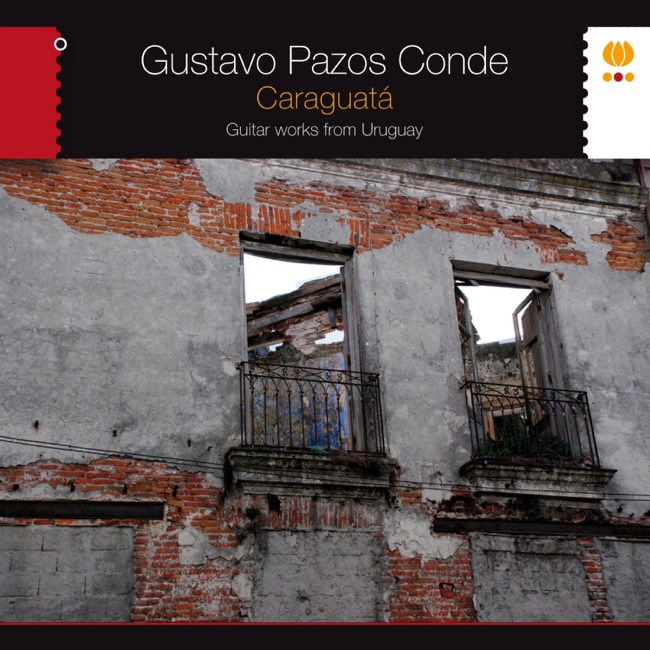 February 26, 2013
 -
 September 9, 2009
 -
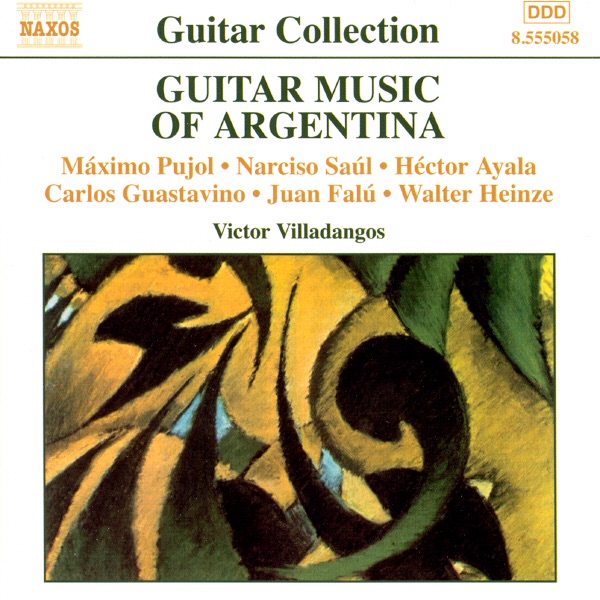 December 27, 2001
Artist Info
Role:ComposerBirth:1943Period:ContemporaryGenre:ChamberWalter Heinze was a German composer and conductor who lived from 1897 to 1965. He was born in the city of Leipzig, which was a hub of musical activity at the time. His father was a music teacher, and Heinze grew up surrounded by music. He began playing the piano at a young age and showed a talent for composition early on. Heinze studied at the Leipzig Conservatory, where he was a student of Max Reger, one of the most important composers of the time. Reger was known for his complex and challenging music, and Heinze was deeply influenced by his teacher's style. Heinze also studied with other prominent composers of the time, including Paul Hindemith and Arnold Schoenberg. After completing his studies, Heinze began working as a conductor and composer. He conducted orchestras in Leipzig, Berlin, and other cities, and his compositions were performed by leading orchestras and ensembles throughout Germany. Heinze's music was known for its complexity and sophistication, and he was considered one of the most important composers of his generation. Heinze's early works were heavily influenced by the music of Max Reger. His first major composition, the Symphony No. 1, was written in 1923 and premiered in Leipzig the following year. The symphony is a large-scale work that features complex harmonies and intricate counterpoint. It was well-received by audiences and critics alike, and established Heinze as a composer to watch. In the years that followed, Heinze continued to compose symphonies, as well as chamber music, choral works, and operas. His music was characterized by its complexity and sophistication, as well as its emotional depth. Heinze was known for his ability to create music that was both intellectually stimulating and emotionally powerful. One of Heinze's most famous works is the opera "Die Schwarze Spinne" (The Black Spider), which was premiered in 1935. The opera is based on a novella by the Swiss writer Jeremias Gotthelf, and tells the story of a village that is plagued by a curse. The music is dark and brooding, with complex harmonies and intricate orchestration. The opera was a critical and popular success, and remains one of Heinze's most famous works. Heinze's music was not without controversy, however. In the 1930s, as the Nazi party rose to power in Germany, Heinze's music was criticized for being too complex and intellectual. The Nazis favored music that was simple and easy to understand, and Heinze's music was seen as elitist and out of touch. Despite this criticism, Heinze continued to compose and conduct, and his music remained popular with audiences and musicians alike. After World War II, Heinze's music fell out of favor in Germany. The country was rebuilding, and there was a desire for music that was more optimistic and hopeful. Heinze's complex and brooding music was seen as out of step with the times. However, in recent years, there has been a renewed interest in Heinze's music, and his works are once again being performed and recorded. Heinze died in 1965, but his legacy lives on. His music continues to be performed and studied by musicians and scholars around the world. Heinze was a composer of great talent and vision, and his contributions to the world of classical music are significant and enduring.More....
Recent Artist Music

Copyright Ⓒ 2013 Davinci Finger. All rights reseved
Service Terms & Policy