


Sarah Feigin
Released Album
Chamber
-
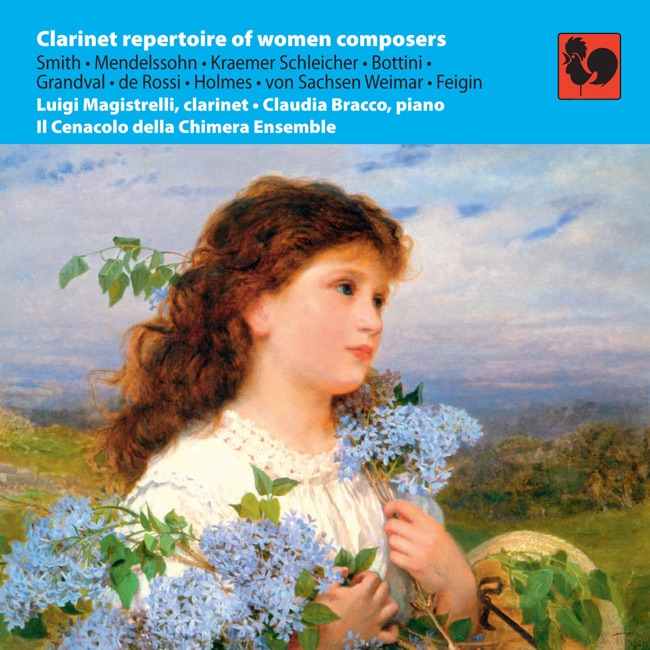 October 9, 2012
 -
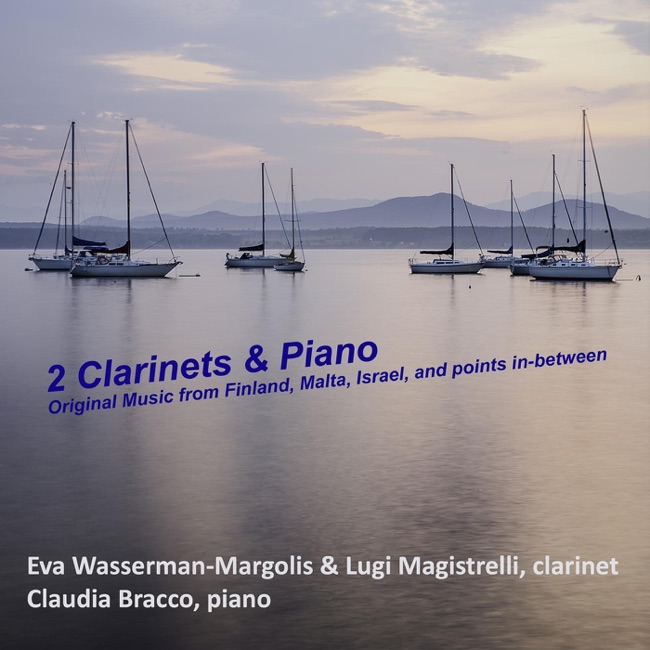
Keyboard
-
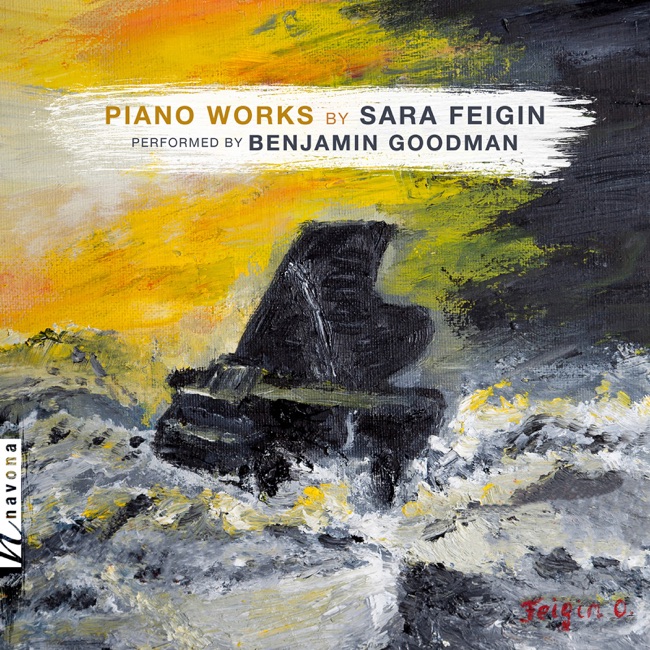 March 9, 2018
Artist Info
Role:ComposerCountry: IsraelBirth:1928Sarah Feigin was a classical music composer born on August 15, 1910, in Kiev, Ukraine. She was the daughter of a Jewish family, and her father was a cantor in a local synagogue. Feigin showed an early interest in music and began playing the piano at the age of six. She received her formal music education at the Kiev Conservatory, where she studied composition with Reinhold Glière and piano with Felix Blumenfeld. In 1929, Feigin moved to Berlin to continue her studies at the Hochschule für Musik. She studied composition with Paul Hindemith and piano with Artur Schnabel. During her time in Berlin, Feigin became involved in the city's vibrant cultural scene and attended concerts and performances by some of the leading musicians of the time. In 1933, Feigin was forced to leave Germany due to the rise of the Nazi regime. She moved to Paris, where she continued her studies with Nadia Boulanger. Feigin's time in Paris was a period of intense creativity, and she composed many of her most significant works during this time. Feigin's music is characterized by its emotional intensity and expressive power. Her compositions often explore themes of love, loss, and longing, and are marked by their lyrical melodies and rich harmonies. Feigin's music is deeply influenced by the Romantic tradition, but also incorporates elements of modernism and avant-garde techniques. One of Feigin's most significant works is her Piano Concerto No. 1, which she composed in 1937. The concerto is a virtuosic showcase for the soloist, and features a lush, Romantic score that showcases Feigin's gift for melody and harmony. The concerto was premiered in Paris in 1938, with Feigin herself as the soloist. Feigin's other notable works include her String Quartet No. 1, which she composed in 1940. The quartet is a deeply emotional work that explores themes of loss and grief, and is marked by its haunting melodies and rich harmonies. Feigin's Symphony No. 1, which she composed in 1942, is another significant work that showcases her gift for orchestration and her ability to create powerful, emotionally charged music. Feigin's music was well-received during her lifetime, and she was recognized as one of the leading composers of her generation. However, her career was cut short by her untimely death in 1942. Feigin died of tuberculosis at the age of 32, leaving behind a small but significant body of work that continues to be performed and admired today. In conclusion, Sarah Feigin was a gifted composer whose music is marked by its emotional intensity and expressive power. Her compositions explore themes of love, loss, and longing, and are characterized by their lyrical melodies and rich harmonies. Feigin's music is deeply influenced by the Romantic tradition, but also incorporates elements of modernism and avant-garde techniques. Despite her short career, Feigin left behind a small but significant body of work that continues to be performed and admired today.More....
Recent Artist Music
1
4:10
Copyright Ⓒ 2013 Davinci Finger. All rights reseved
Service Terms & Policy