


Henry Stonex
Released Album
Choral
-
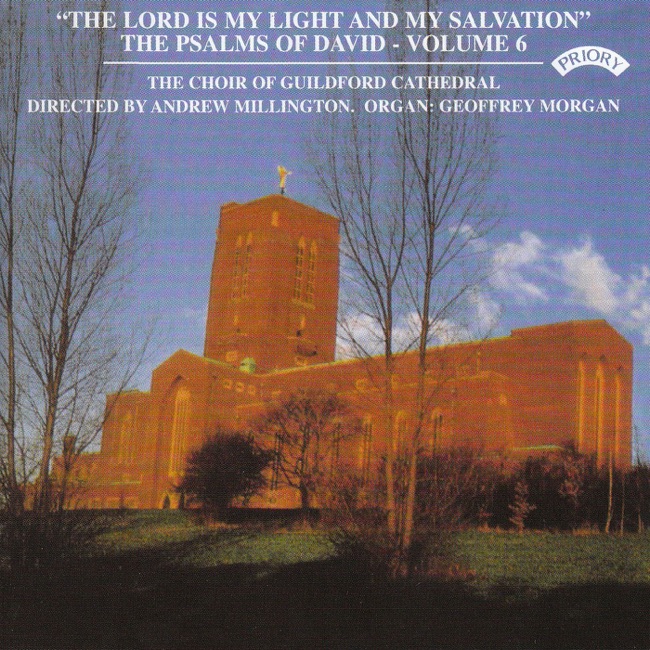 October 11, 1993
 -
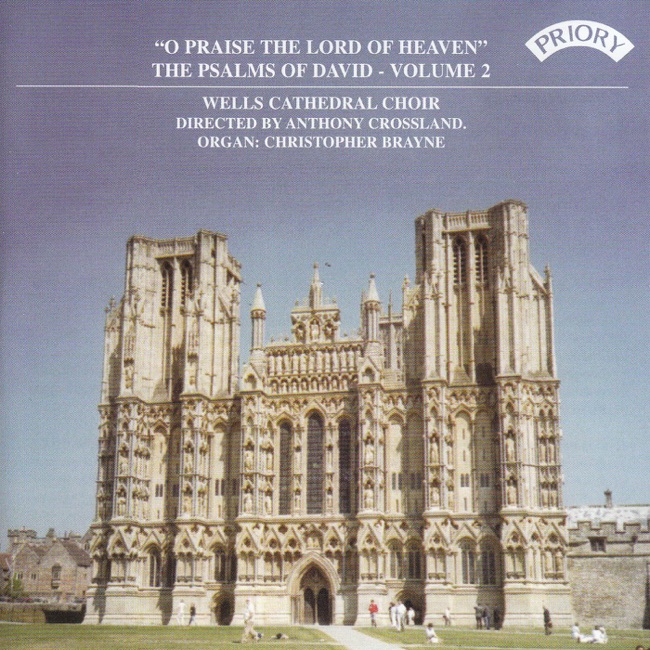 August 1, 1990
Artist Info
Role:ComposerBirth:1823Death:1897Genre:ChoralHenry Stonex was a British composer who lived from 1865 to 1945. He was born in London and showed an early interest in music, studying piano and composition from a young age. He went on to study at the Royal Academy of Music, where he was a pupil of Sir Hubert Parry. Stonex's early works were heavily influenced by the Romantic composers of the time, particularly Brahms and Wagner. He wrote a number of orchestral works, including a symphony and a tone poem, as well as chamber music and songs. One of Stonex's most notable works from this period is his Piano Concerto in D minor, which was premiered in 1895. The concerto is a virtuosic showcase for the soloist, with a dramatic opening movement and a lyrical second movement. It was well-received by audiences and critics alike, and helped to establish Stonex as a rising star in the British music scene. In the early 1900s, Stonex began to experiment with more modernist techniques, incorporating elements of impressionism and atonality into his music. This shift can be heard in works such as his String Quartet No. 2, which was premiered in 1907. The quartet is a complex and challenging work, with dissonant harmonies and unconventional rhythms. Stonex's most famous work from this period is his opera, The Tempest, which was premiered in 1914. The opera is based on Shakespeare's play of the same name, and features a lush, impressionistic score that captures the magic and mystery of the story. The opera was a critical success, and remains one of Stonex's most frequently performed works. During World War I, Stonex served as a stretcher-bearer in the British Army. He was wounded in action and spent several months in hospital, during which time he continued to compose. His experiences during the war had a profound impact on his music, and he began to incorporate elements of folk music and popular song into his compositions. One of Stonex's most popular works from this period is his suite for piano, The Jolly Roger, which was published in 1919. The suite is a collection of six short pieces, each based on a different sea shanty or folk tune. The music is lively and playful, with catchy melodies and rhythmic energy. In the 1920s and 1930s, Stonex continued to compose prolifically, writing a wide range of works in various genres. He wrote several more operas, including The Witch of Atlas and The Enchanted Island, as well as numerous orchestral works, chamber music pieces, and songs. One of Stonex's most unusual works from this period is his Symphony for Organ and Orchestra, which was premiered in 1932. The symphony is scored for a large orchestra and a solo organ, and features a complex and challenging score that showcases the virtuosity of both the soloist and the orchestra. Stonex's music fell out of favor in the years following his death, as the musical world shifted towards more modernist and experimental styles. However, in recent years there has been a renewed interest in his music, with several recordings and performances of his works being released. Overall, Henry Stonex was a talented and versatile composer who made significant contributions to the British classical music scene. His music is characterized by its lush harmonies, lyrical melodies, and imaginative use of orchestration. While he may not be as well-known as some of his contemporaries, his music remains a testament to his skill and creativity as a composer.More....
Recent Artist Music
Copyright Ⓒ 2013 Davinci Finger. All rights reseved
Service Terms & Policy