


Dutch Anonymous
Released Album
Vocal
-
-
 November 12, 2012
 -
 January 11, 2011
 -
 April 24, 2009
 -
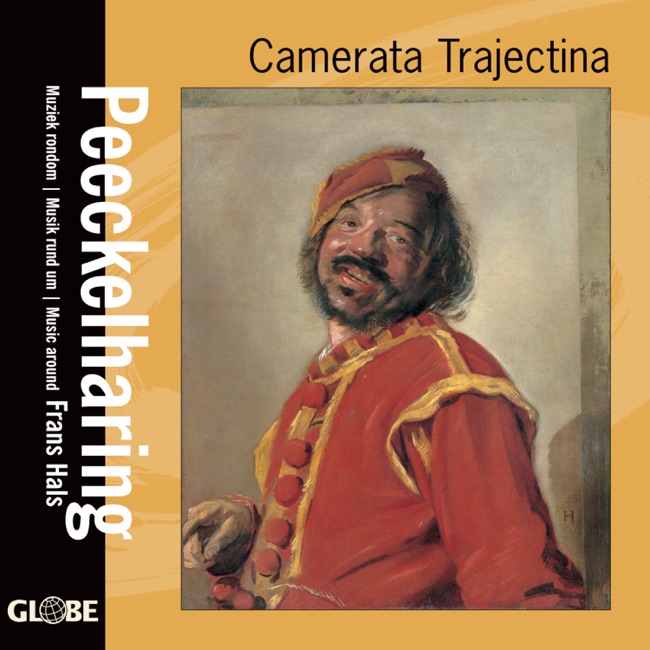 May 9, 2006
 -
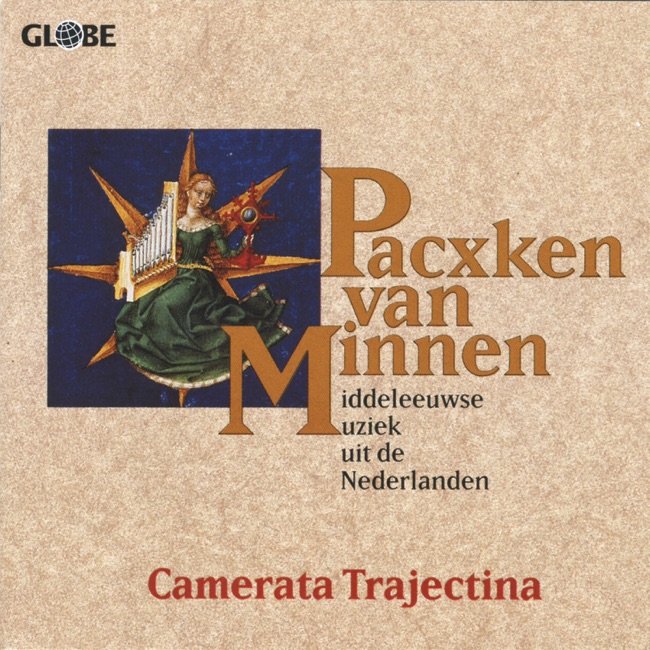
Chamber
-
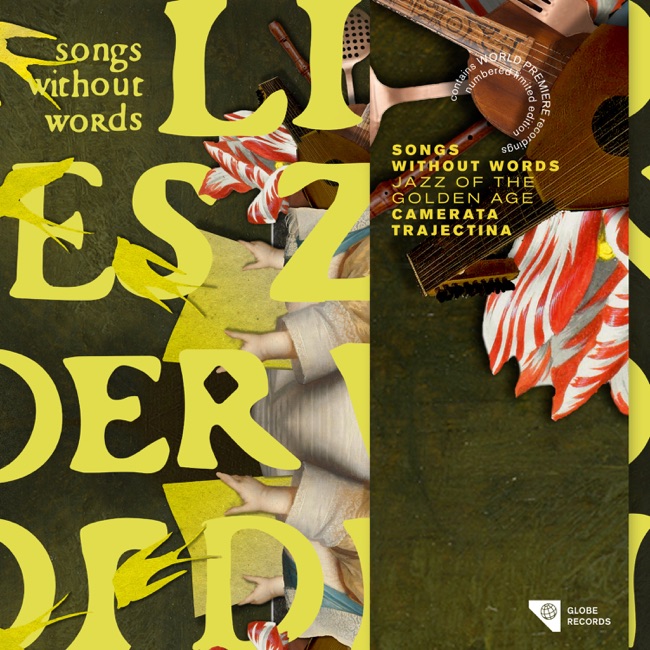 February 4, 2022
 -
 June 3, 2016
 -
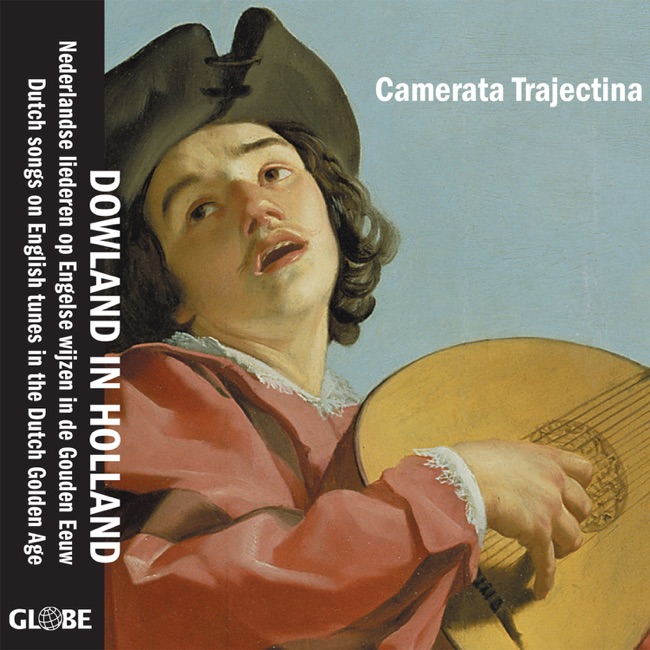 January 8, 2016
 -
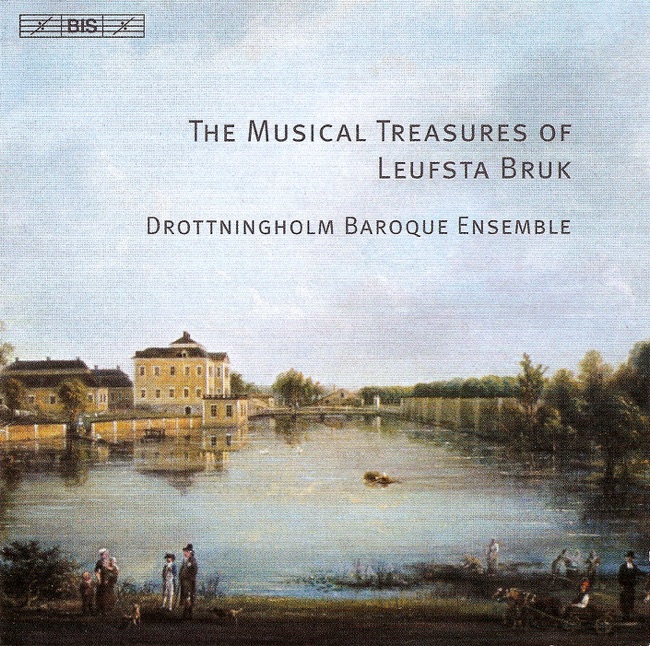 August 29, 2006
Choral
-
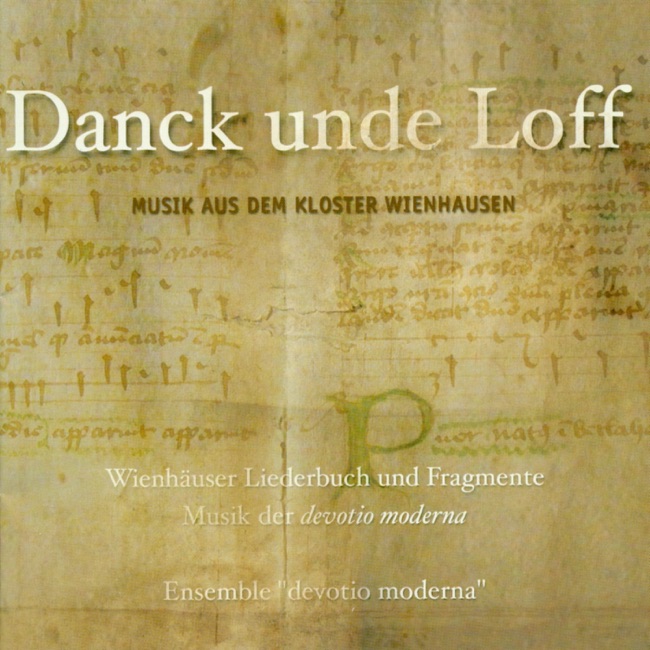 December 8, 2009
Artist Info
Role:ComposerDutch Anonymous is a classical music composer whose identity remains unknown to this day. Despite the lack of information about the composer's personal life, their works have left a lasting impact on the world of classical music. The birth and growth of Dutch Anonymous as a musician is shrouded in mystery. It is believed that the composer was active during the Renaissance period, which spanned from the 14th to the 17th century. However, the exact dates of their birth and death are unknown. It is also unclear whether Dutch Anonymous was a professional musician or an amateur composer. Despite the lack of information about the composer's personal life, their works have been preserved and studied by musicologists and performers. Dutch Anonymous is known for their choral music, which includes both sacred and secular works. Their compositions are characterized by rich harmonies, intricate counterpoint, and expressive melodies. One of Dutch Anonymous' most famous works is the "Missa pro defunctis," also known as the "Requiem Mass." This piece is a setting of the Catholic Mass for the Dead, and it is believed to have been composed in the late 15th or early 16th century. The "Missa pro defunctis" is a polyphonic work, meaning that it features multiple independent vocal lines that weave together to create a complex and harmonically rich texture. The piece is notable for its use of dissonance, which creates a sense of tension and drama. Another notable work by Dutch Anonymous is the "Lamentatio sanctae matris ecclesiae Constantinopolitanae." This piece is a setting of the Lamentations of Jeremiah, a series of poetic texts from the Old Testament that are traditionally sung during Holy Week. The "Lamentatio sanctae matris ecclesiae Constantinopolitanae" is a haunting and mournful work that captures the sorrow and despair of the text. The piece is scored for four voices and features intricate polyphony and expressive melodic lines. In addition to their sacred works, Dutch Anonymous also composed secular music. One of their most famous secular works is the "Chanson de Roland," a setting of a medieval epic poem about the Battle of Roncevaux Pass. The "Chanson de Roland" is a lively and energetic work that features a catchy melody and lively rhythms. The piece is scored for three voices and is notable for its use of syncopation and rhythmic complexity. Despite the fact that Dutch Anonymous remains a mystery, their works continue to be performed and studied by musicians and scholars around the world. Their compositions are a testament to the rich musical tradition of the Renaissance period, and they continue to inspire and captivate audiences today.More....
Recent Artist Music
3
4:8
5
4:49
13
1:59
Copyright Ⓒ 2013 Davinci Finger. All rights reseved
Service Terms & Policy