


Sigvaldi S. Kaldalons
Released Album
Vocal
-
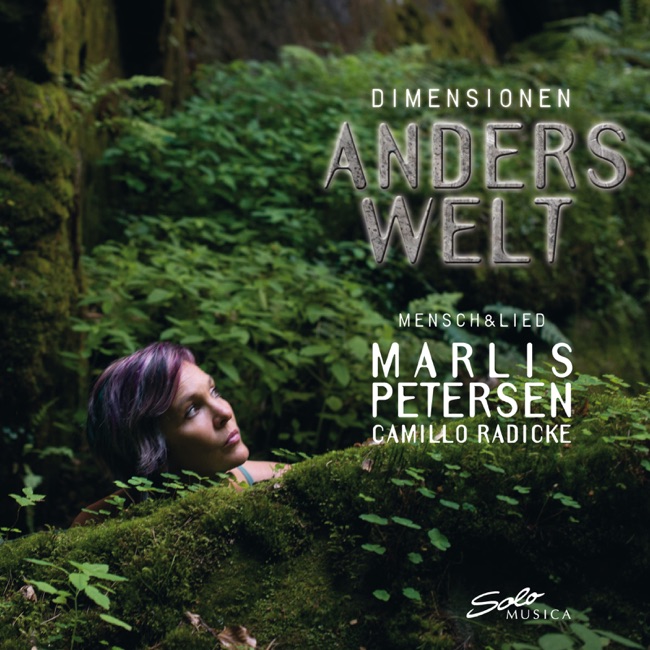 November 2, 2018
 -
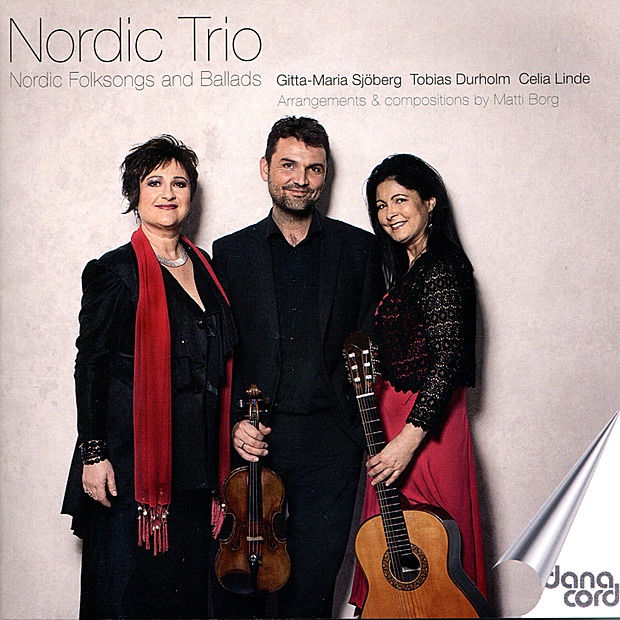 June 14, 2011
 -
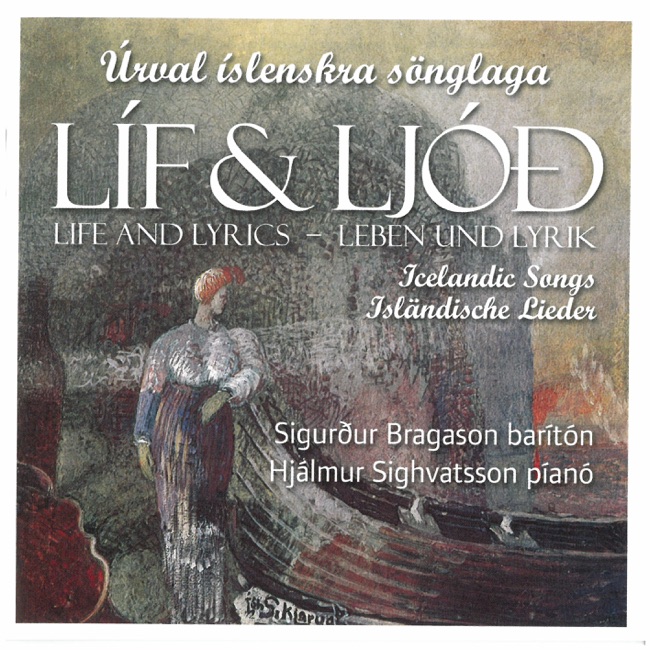 April 13, 2010
 -
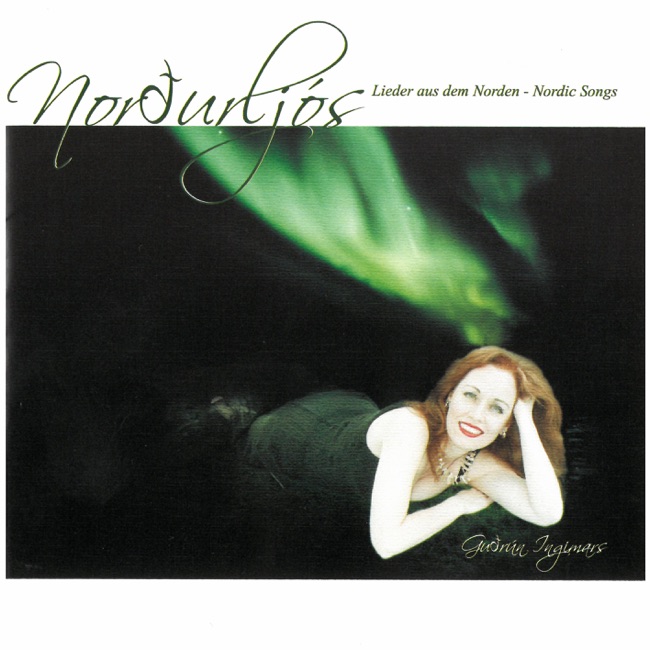 February 9, 2010
 -
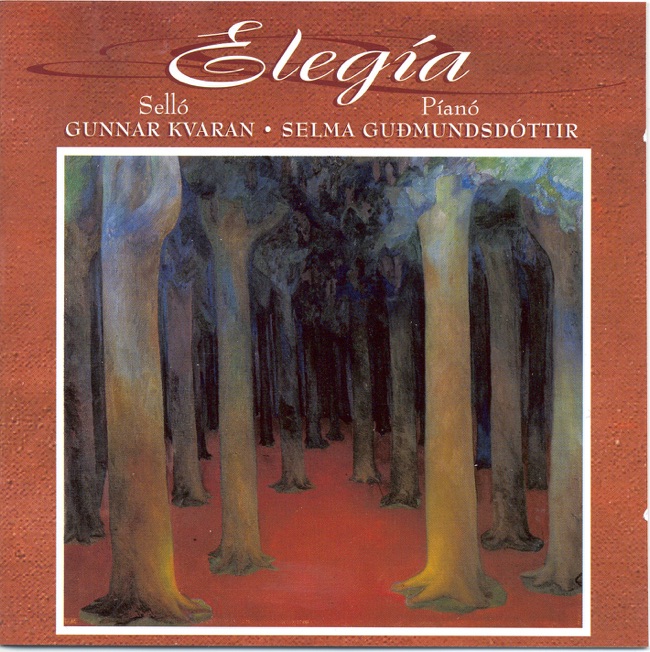 2004
2004 -
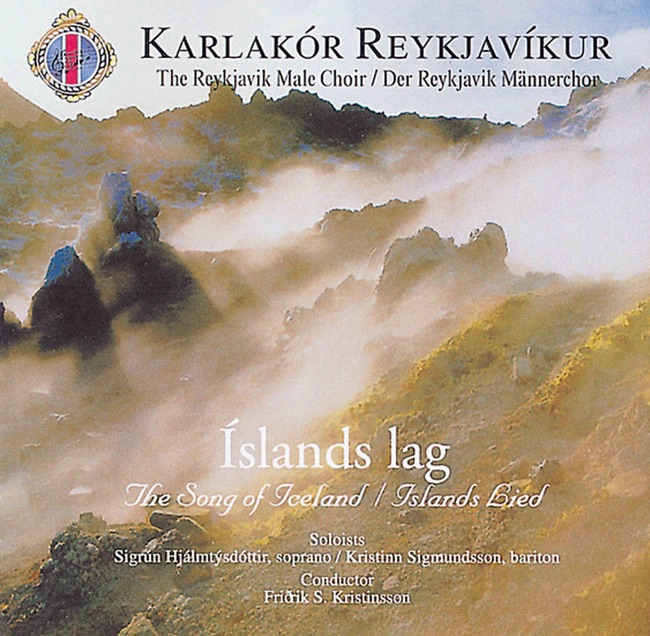
Artist Info
Role:ComposerBirth:1889Death:1946Genre:VocalSigvaldi S. Kaldalons was a renowned Icelandic composer who made significant contributions to the world of classical music. He was born on January 1, 1881, in Reykjavik, Iceland, to a family of musicians. His father, Sigurdur Kaldalons, was a well-known composer and conductor, and his mother, Kristin Jonsdottir, was a talented pianist. Sigvaldi showed an early interest in music and began studying piano and composition at a young age. He was a gifted student and quickly developed a reputation as a prodigy. He continued his studies in music at the Reykjavik Conservatory of Music, where he excelled in both piano and composition. After completing his studies, Sigvaldi began his career as a composer and quickly gained recognition for his innovative and expressive compositions. His early works were heavily influenced by the Romantic era, and he often incorporated elements of Icelandic folk music into his compositions. One of Sigvaldi's most significant works from this period was his Piano Concerto in A minor, which he composed in 1905. The concerto was well-received by audiences and critics alike and established Sigvaldi as a major talent in the world of classical music. In the years that followed, Sigvaldi continued to compose prolifically, producing a wide range of works in various genres. He was particularly known for his chamber music, which included several string quartets and sonatas for various instruments. One of Sigvaldi's most famous works from this period was his String Quartet No. 1, which he composed in 1912. The quartet was a departure from his earlier works and showcased a more modern and experimental style. The piece was well-received by audiences and critics and established Sigvaldi as a leading figure in the modernist movement. Throughout his career, Sigvaldi remained committed to exploring new musical ideas and pushing the boundaries of classical music. He was particularly interested in incorporating elements of Icelandic culture and folklore into his compositions, and many of his works featured themes and motifs inspired by Icelandic mythology and history. One of Sigvaldi's most ambitious works in this vein was his opera, The Saga of Burnt Njal, which he composed in the 1920s. The opera was based on the famous Icelandic saga of the same name and featured a libretto in Icelandic. The piece was a major undertaking and required a large cast and orchestra, but it was well-received by audiences and critics and established Sigvaldi as a master of the operatic form. In addition to his work as a composer, Sigvaldi was also a respected conductor and music educator. He served as the conductor of the Reykjavik Symphony Orchestra for many years and was instrumental in promoting classical music in Iceland. He also taught composition and music theory at the Reykjavik Conservatory of Music, where he mentored several generations of young musicians. Sigvaldi continued to compose and perform well into his later years, and his music remained popular and influential long after his death. He passed away on December 31, 1946, at the age of 65, but his legacy as one of Iceland's greatest composers and musical innovators lives on to this day.More....

Recommend Playlist















Copyright Ⓒ 2013 Davinci Finger. All rights reseved
Service Terms & Policy