


Huang Hu-Wei
Released Album
Keyboard
-
 November 15, 2019
 -
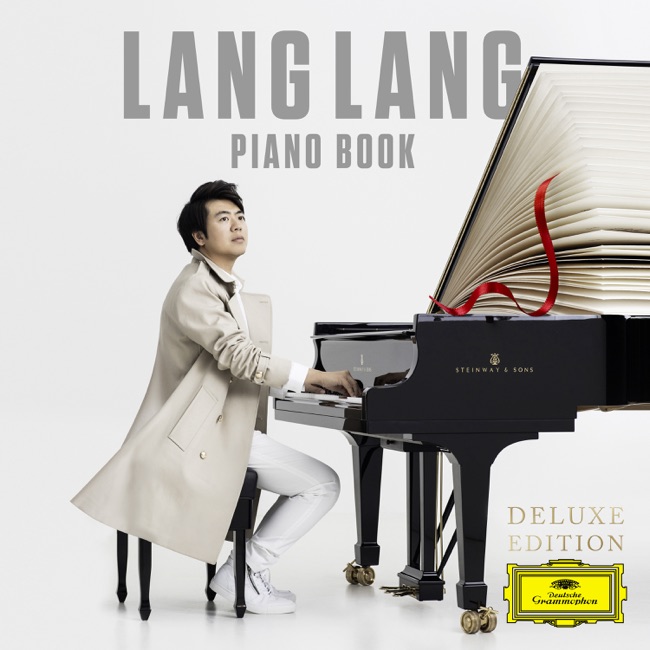 March 29, 2019
 -
 March 29, 2019
 -
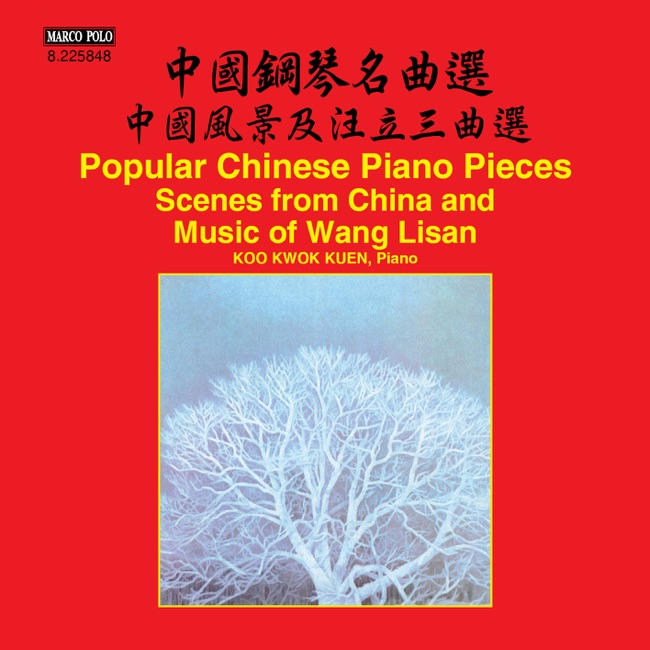 September 9, 2016
 -
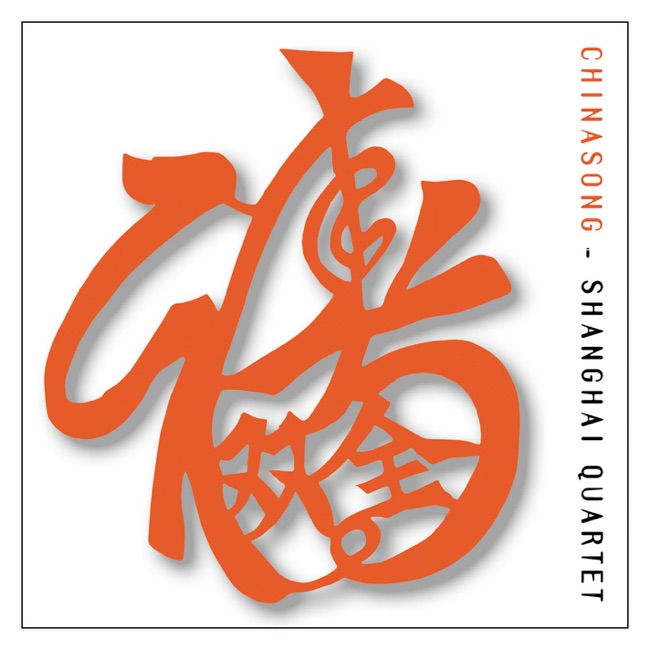 November 26, 2002
Chamber
-
 September 10, 2019
Artist Info
Role:ComposerBirth:1932Genre:KeyboardHuang Hu-Wei was a Chinese composer of classical music who was born on December 28, 1915, in the city of Shanghai. He was the youngest of six children in his family, and his father was a successful businessman who had a great love for music. From a young age, Huang showed a natural talent for music, and his father encouraged him to pursue his passion. Huang began his formal music education at the age of six, when he started taking piano lessons. He quickly showed a remarkable aptitude for the instrument, and by the time he was ten years old, he had already given his first public performance. In addition to the piano, Huang also learned to play the violin and the cello, and he began composing his own music at a young age. In 1933, Huang enrolled in the Shanghai Conservatory of Music, where he studied composition under the renowned composer Xian Xinghai. Xian was a major influence on Huang's musical style, and he encouraged him to incorporate elements of Chinese folk music into his compositions. Huang also studied Western classical music, and he was particularly drawn to the works of Beethoven, Brahms, and Tchaikovsky. After graduating from the conservatory in 1937, Huang began working as a composer and arranger for the Shanghai Broadcasting Station. He also continued to perform as a pianist, and he became known for his virtuosic playing and his ability to improvise on the spot. In 1949, Huang moved to Beijing, where he became a professor at the Central Conservatory of Music. He remained at the conservatory for the rest of his career, and he was a beloved teacher who inspired generations of young musicians. Throughout his career, Huang composed a wide variety of music, including symphonies, concertos, chamber music, and vocal works. He was particularly known for his use of Chinese folk melodies and his incorporation of traditional Chinese instruments into his compositions. One of Huang's most famous works is his Symphony No. 1, which he composed in 1957. The symphony is a powerful and emotional work that reflects the turbulence of the times in which it was written. It incorporates elements of Chinese folk music, as well as Western classical music, and it is considered a masterpiece of Chinese symphonic music. Another notable work by Huang is his Piano Concerto No. 1, which he composed in 1963. The concerto is a virtuosic showcase for the piano, and it incorporates elements of Chinese folk music into its sweeping melodies. It has become a staple of the Chinese piano repertoire, and it is widely regarded as one of Huang's greatest works. In addition to his compositions, Huang was also a respected musicologist and scholar. He wrote extensively on Chinese music and culture, and he was a leading authority on the history of Chinese music. Huang Hu-Wei passed away on December 28, 1995, on his 80th birthday. He left behind a rich legacy of music that continues to inspire and captivate audiences around the world. His contributions to Chinese classical music have been recognized with numerous awards and honors, and he is widely regarded as one of the greatest composers in Chinese history.More....
Recent Artist Music



Copyright Ⓒ 2013 Davinci Finger. All rights reseved
Service Terms & Policy