


John W. Work III
Released Album
Vocal
-
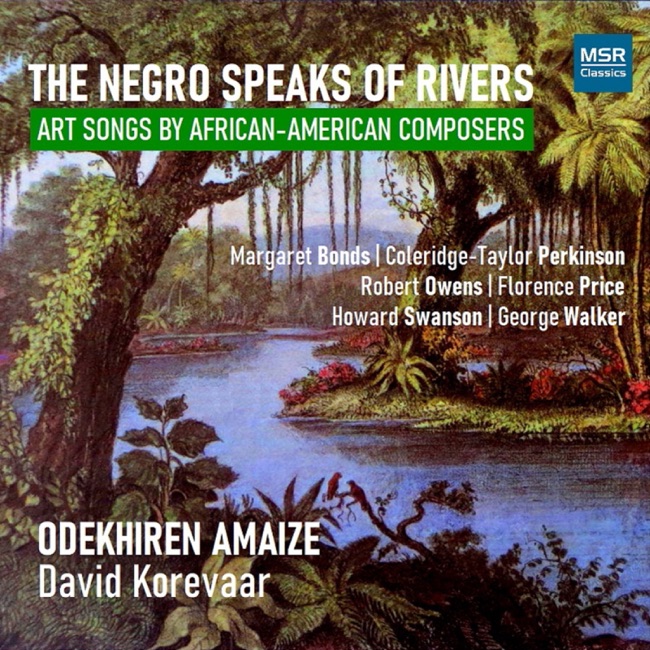 January 25, 2000
 -
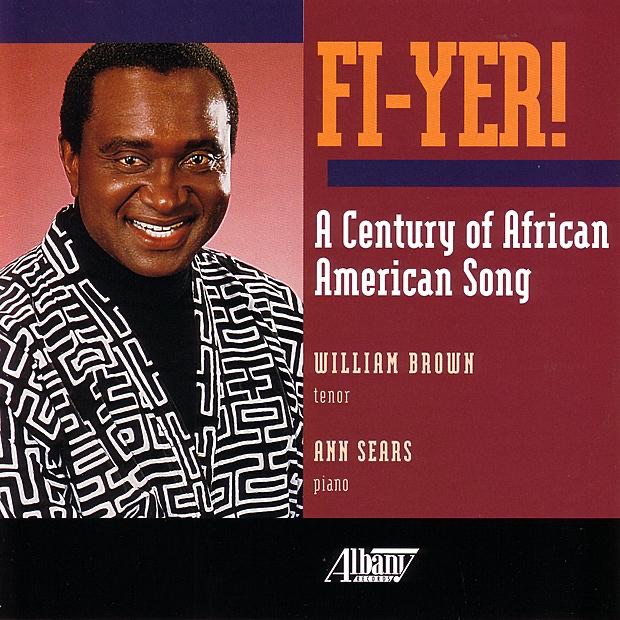 March 23, 1999
Keyboard
-
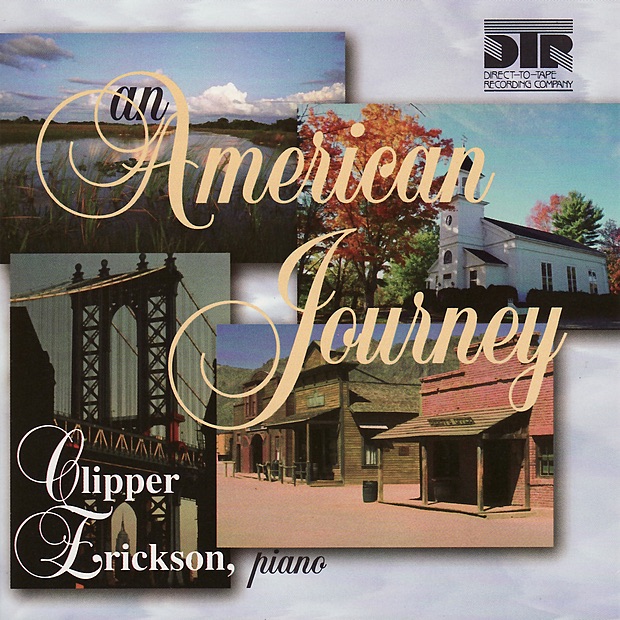 November 3, 1998
 -
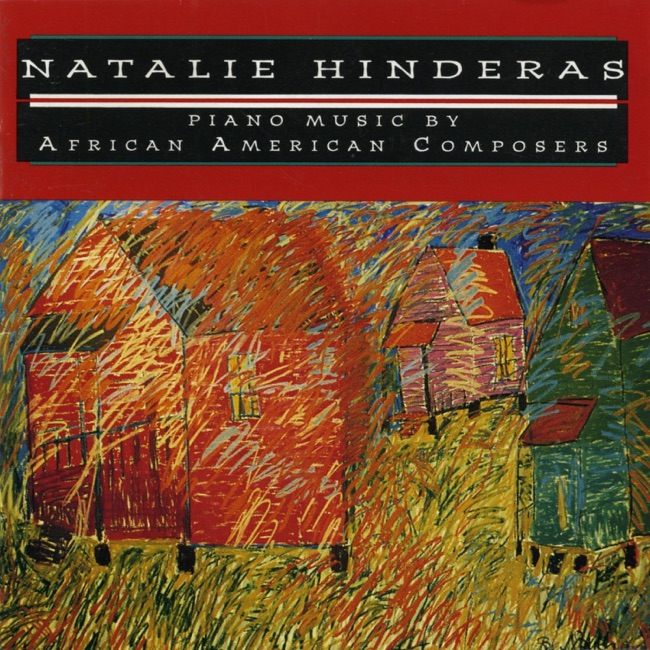 September 28, 1993
 -
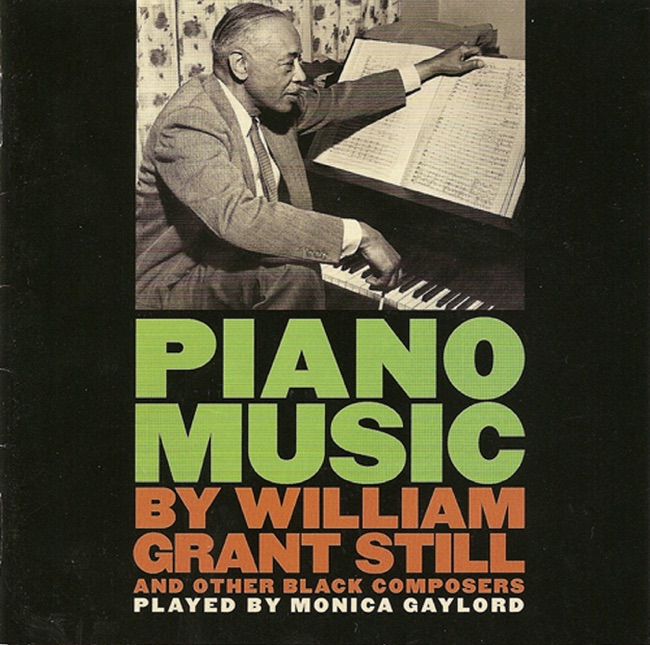 September 28, 1993
Artist Info
Role:ComposerBirth:June 15, 1901 in Tullahoma, TNDeath:May 17, 1967 in Nashville, TNGenre:ChoralKeyboardVocalJohn Wesley Work III was a prominent African American composer, musicologist, and folklorist who made significant contributions to the preservation and promotion of African American music. He was born on August 15, 1901, in Tullahoma, Tennessee, to a family of musicians and educators. His father, John Wesley Work Jr., was a noted composer, choral director, and musicologist, and his mother, Agnes Haynes Work, was a music teacher and performer. From an early age, John W. Work III showed a keen interest in music and began studying piano and violin under his parents' guidance. He also learned to sing and play various folk instruments, such as the banjo, guitar, and harmonica. His family's home was a hub of musical activity, and he was exposed to a wide range of musical styles, including classical, folk, spirituals, and blues. In 1915, John W. Work III's family moved to Nashville, Tennessee, where his father had been appointed as the first African American professor at Fisk University. John W. Work III enrolled at Fisk University in 1918 and studied music under his father's tutelage. He also became involved in the Fisk Jubilee Singers, a renowned choral group that performed spirituals and other African American music. He toured with the group throughout the United States and Europe and gained valuable experience as a performer and arranger. After graduating from Fisk University in 1923, John W. Work III continued his musical education at the Institute of Musical Art (now the Juilliard School) in New York City. He studied composition and conducting under noted composers such as Percy Grainger and Walter Damrosch. He also worked as a music teacher and choral director in various schools and churches in New York City. In 1928, John W. Work III returned to Fisk University as a professor of music. He taught courses in music theory, history, and appreciation and directed the Fisk Jubilee Singers. He also continued to perform and compose music, often collaborating with his father and other African American musicians and artists. One of John W. Work III's most significant contributions to African American music was his work as a folklorist and collector of traditional songs and spirituals. He traveled extensively throughout the southern United States, collecting and transcribing songs from African American communities. He also recorded and documented the music of the Fisk Jubilee Singers and other African American choral groups. In 1940, John W. Work III published his seminal work, "American Negro Songs and Spirituals," a collection of over 100 songs with historical and cultural commentary. The book was widely praised for its scholarly rigor and its celebration of African American music and culture. It remains a valuable resource for scholars and musicians today. John W. Work III's compositions reflect his deep knowledge and appreciation of African American music. He wrote numerous choral works, art songs, and arrangements of spirituals and folk songs. His compositions often incorporate elements of blues, jazz, and other popular styles, as well as classical forms and techniques. One of his most famous compositions is "Go Down, Moses," a powerful arrangement of the spiritual that has become a staple of choral repertoire. He also wrote several operas, including "The Legend of John Henry," which tells the story of the legendary African American folk hero.More....

Copyright Ⓒ 2013 Davinci Finger. All rights reseved
Service Terms & Policy