


Kiyoshige Koyama
Released Album
Keyboard
-
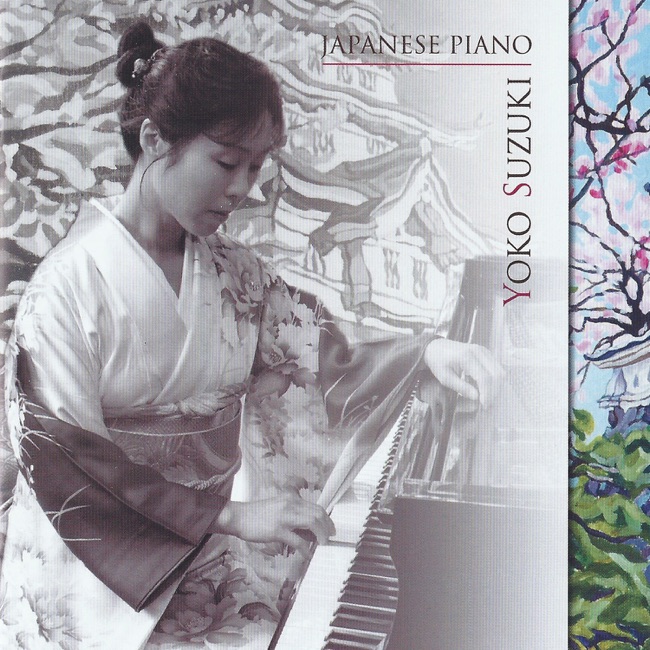 August 11, 2015
 -
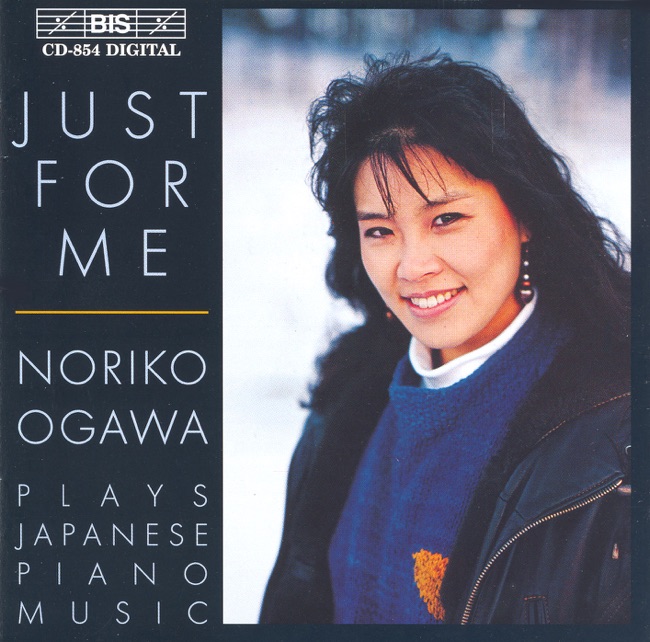 August 5, 2000
Orchestral
-
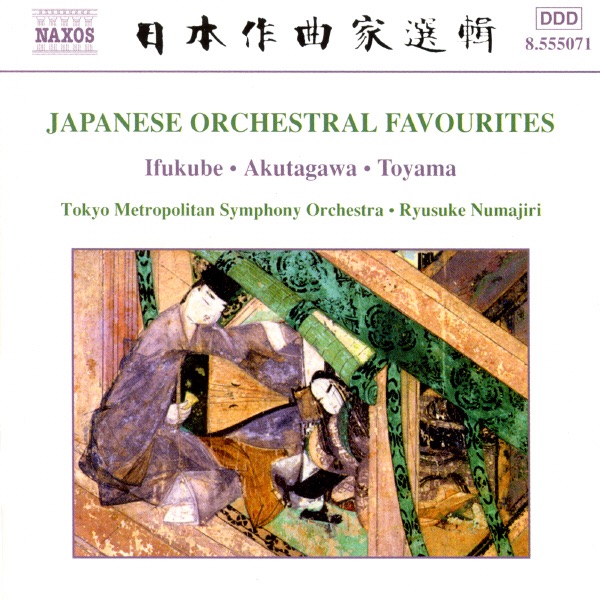 May 21, 2002
Artist Info
Role:ComposerCountry: JapanBirth:1914Period:BaroqueClassicalGenre:ConcertoKeyboardOperaOrchestralKiyoshige Koyama was a Japanese composer who was born on December 25, 1904, in Tokyo, Japan. He was the youngest of six children and grew up in a family that was deeply involved in music. His father was a music teacher, and his mother was a singer. Koyama's siblings were also involved in music, with his older brother becoming a composer and his sister becoming a pianist. Koyama began his musical education at a young age, studying piano and composition with his father. He later studied at the Tokyo Music School, where he was taught by composers such as Kozaburo Hirai and Akira Ifukube. After graduating, Koyama worked as a composer and arranger for various radio stations and music publishers. In 1932, Koyama won first prize in a composition competition held by the Japan Broadcasting Corporation (NHK). This led to his first major work, the orchestral piece "Symphonic Suite," which was premiered by the NHK Symphony Orchestra in 1933. The piece was well-received and established Koyama as a promising young composer. Throughout the 1930s and 1940s, Koyama continued to compose and became known for his works that blended traditional Japanese music with Western classical music. One of his most famous works from this period is "Kokiriko," a piece for orchestra and traditional Japanese instruments that was premiered in 1941. The piece was inspired by a traditional Japanese folk song and features intricate rhythms and melodies that showcase Koyama's skill as a composer. During World War II, Koyama was drafted into the Japanese army and served as a musician in the military band. After the war, he returned to composing and became involved in the post-war reconstruction of Japan's music industry. He was a founding member of the Japan Society for Contemporary Music and served as its president from 1955 to 1957. In the 1950s and 1960s, Koyama's music became more experimental and avant-garde. He began incorporating electronic music into his compositions and experimented with new forms and structures. One of his most famous works from this period is "Music for Magnetic Tape," a piece for tape recorder that was premiered in 1955. The piece features a collage of sounds and textures that were created using magnetic tape. Koyama continued to compose and teach until his death on December 28, 1993, at the age of 89. He left behind a legacy of innovative and influential works that continue to be performed and studied today. Some of Koyama's other notable works include "Symphony No. 1," which was premiered in 1947 and features elements of Japanese folk music, and "Concerto for Koto and Orchestra," which was premiered in 1962 and features the traditional Japanese instrument, the koto. Koyama also composed music for films, including the 1954 film "Seven Samurai" directed by Akira Kurosawa. In conclusion, Kiyoshige Koyama was a pioneering composer who blended traditional Japanese music with Western classical music and experimented with new forms and structures. His works continue to be studied and performed today, and he remains an important figure in the history of Japanese music.More....
Recent Artist Music
Copyright Ⓒ 2013 Davinci Finger. All rights reseved
Service Terms & Policy