


Thomas Buchholz
Released Album
Orchestral
-
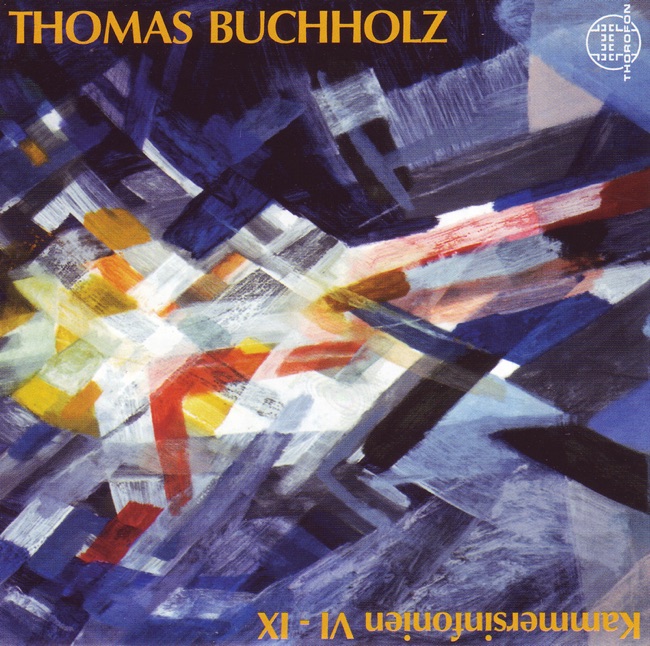 September 30, 2000
Choral
Artist Info
Role:ComposerCountry: GermanyBirth:1961Period:ContemporaryGenre:OrchestralThomas Buchholz was a German composer born on May 12, 1961, in Berlin. He grew up in a family of musicians, with his father being a cellist and his mother a pianist. From a young age, Buchholz showed a keen interest in music and began playing the piano at the age of six. He later learned to play the cello and the guitar. Buchholz received his formal music education at the Hochschule für Musik Hanns Eisler in Berlin, where he studied composition under the tutelage of Friedrich Goldmann. He also studied conducting with Rolf Reuter and piano with Georg Sava. During his time at the conservatory, Buchholz was awarded several prizes for his compositions, including the Hanns Eisler Prize and the Berlin Senate Prize. Buchholz's early works were heavily influenced by the avant-garde music of the 20th century, particularly the works of Arnold Schoenberg and Anton Webern. His compositions were characterized by their complex harmonies, dissonant chords, and unconventional use of instruments. However, as he matured as a composer, Buchholz began to incorporate more traditional elements into his music, such as tonality and melody. One of Buchholz's most notable works is his Symphony No. 1, which he composed in 1990. The symphony is a four-movement work that showcases Buchholz's mastery of orchestration and his ability to create complex textures and harmonies. The first movement, marked "Allegro con brio," is a lively and energetic piece that features a driving rhythm and a memorable melody. The second movement, marked "Adagio," is a slow and contemplative piece that showcases Buchholz's skill at creating rich and expressive harmonies. The third movement, marked "Scherzo," is a playful and whimsical piece that features intricate rhythms and a lively melody. The final movement, marked "Allegro molto," is a fast and frenetic piece that brings the symphony to a thrilling conclusion. Another notable work by Buchholz is his String Quartet No. 1, which he composed in 1995. The quartet is a three-movement work that showcases Buchholz's skill at writing for the string quartet. The first movement, marked "Allegro," is a lively and energetic piece that features intricate counterpoint and a memorable melody. The second movement, marked "Adagio," is a slow and contemplative piece that showcases Buchholz's skill at creating rich and expressive harmonies. The final movement, marked "Presto," is a fast and frenetic piece that brings the quartet to a thrilling conclusion. Buchholz's music has been performed by some of the world's leading orchestras and ensembles, including the Berlin Philharmonic, the London Symphony Orchestra, and the New York Philharmonic. He has also been the recipient of numerous awards and honors, including the Ernst von Siemens Music Prize and the Berlin Art Prize. In addition to his work as a composer, Buchholz is also a respected conductor and pianist. He has conducted many of his own works as well as those of other composers, and he has performed as a soloist and chamber musician in venues around the world. Overall, Thomas Buchholz is a composer who has made significant contributions to the world of classical music. His works are characterized by their complex harmonies, rich textures, and expressive melodies, and they have been performed and admired by audiences and musicians alike.More....
Recent Artist Music
1
12:37
2
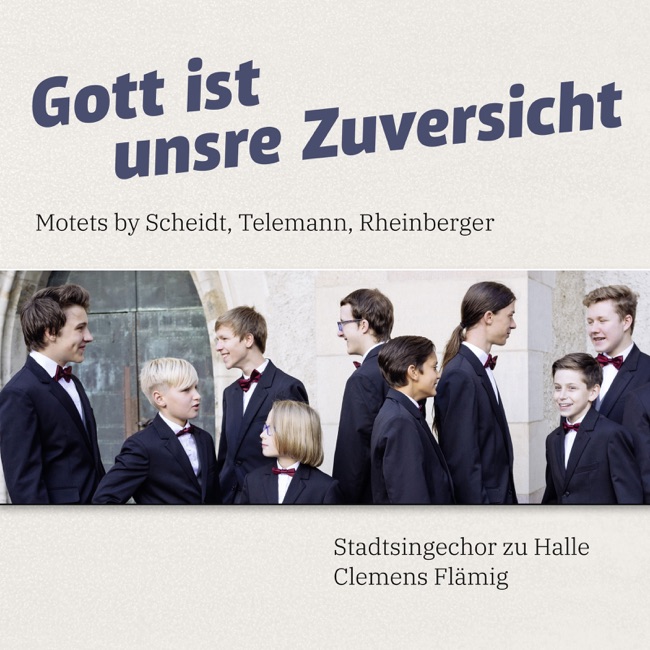
Of the most beautiful and glorious gifts of God
Der schönsten und herrlichsten Gaben Gottes für sechsstimmigen Chor
3:10
Copyright Ⓒ 2013 Davinci Finger. All rights reseved
Service Terms & Policy