


Giuseppe Romanino
Artist Info
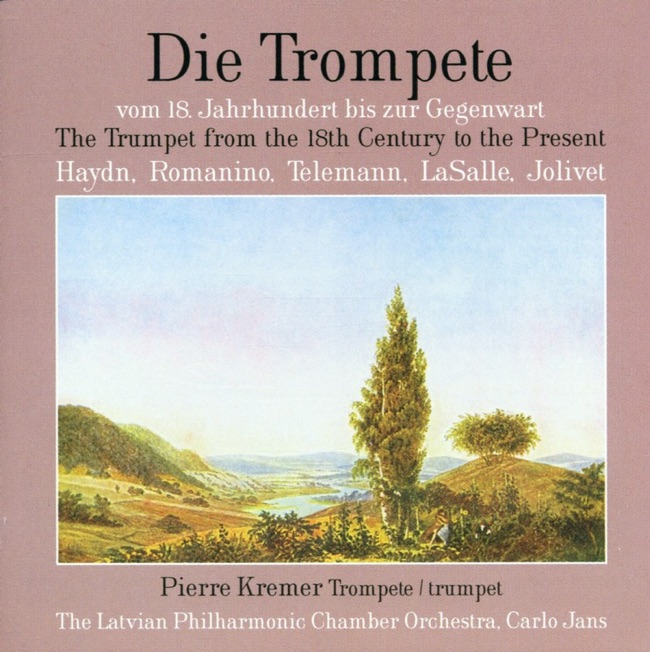
Role:ComposerGenre:ConcertoGiuseppe Romanino was an Italian composer of classical music who lived from 1866 to 1928. He was born in the city of Venice, which was a hub of artistic and cultural activity during the 19th century. Romanino grew up in a family of musicians, and his father was a well-known conductor and composer in the region. As a child, Romanino showed a natural talent for music and began studying piano and composition at a young age. He was also exposed to a wide range of musical styles and traditions, including the operas of Verdi and the symphonies of Beethoven. These early influences would shape his musical style and approach to composition throughout his career. In his early twenties, Romanino moved to Milan to study at the prestigious Conservatory of Music. There, he studied under some of the most renowned composers of the time, including Amilcare Ponchielli and Antonio Bazzini. He also began to establish himself as a composer, writing a number of works for piano, chamber ensembles, and orchestra. One of Romanino's early successes was his Piano Concerto No. 1, which was premiered in Milan in 1890. The concerto was praised for its virtuosic piano writing and its lush orchestration, which showcased Romanino's skill as a composer. The piece was later performed throughout Europe and helped to establish Romanino as a rising star in the classical music world. Throughout the 1890s, Romanino continued to compose prolifically, writing a number of works for orchestra, chamber ensembles, and solo instruments. His music was characterized by its lyricism, its use of rich harmonies, and its incorporation of Italian folk melodies and rhythms. He also drew inspiration from literature and poetry, often setting texts to music in his vocal works. One of Romanino's most famous works from this period was his Symphony No. 1, which was premiered in Venice in 1895. The symphony was a grand, sweeping work that showcased Romanino's mastery of orchestration and his ability to create powerful musical narratives. The piece was well-received by audiences and critics alike, and helped to cement Romanino's reputation as one of Italy's leading composers. In the early 1900s, Romanino began to experiment with new musical forms and styles. He became interested in the music of Debussy and Ravel, and began to incorporate elements of impressionism into his own compositions. He also began to explore the possibilities of atonality and dissonance, which were then emerging as new trends in classical music. One of Romanino's most innovative works from this period was his String Quartet No. 2, which was premiered in 1908. The quartet was a radical departure from Romanino's earlier works, featuring dissonant harmonies, unconventional rhythms, and a fragmented structure. The piece was met with mixed reviews, with some critics praising its boldness and others criticizing its lack of traditional form and melody. Despite the mixed reception to his more experimental works, Romanino continued to push the boundaries of classical music throughout his career. He wrote a number of operas, including the critically acclaimed La Fiamma, which premiered in 1924. He also continued to write orchestral works, chamber music, and vocal pieces, always striving to create new and innovative music. Giuseppe Romanino died in 1928 at the age of 62, leaving behind a legacy of innovative and influential music.More....
Recent Artist Music
Copyright Ⓒ 2013 Davinci Finger. All rights reseved
Service Terms & Policy