


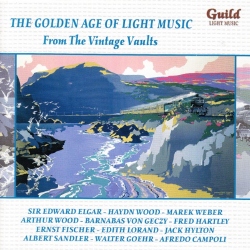
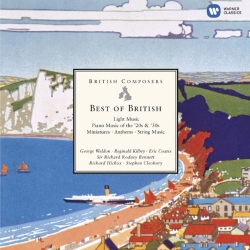
Fred Hartley
Released Album
Orchestral
-
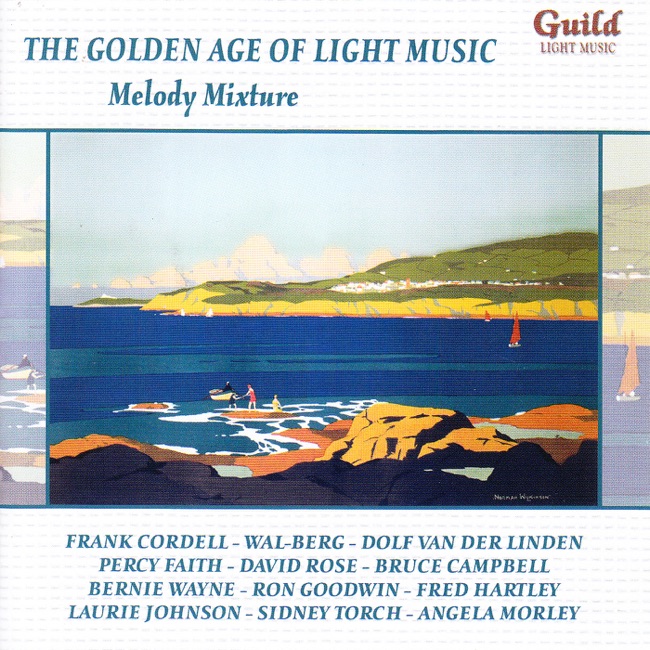 December 3, 2012
 -
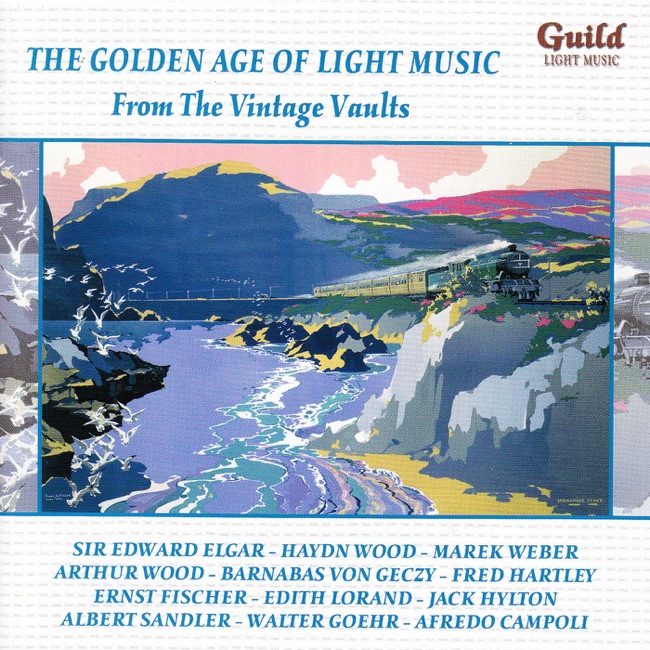 January 15, 2011
 -
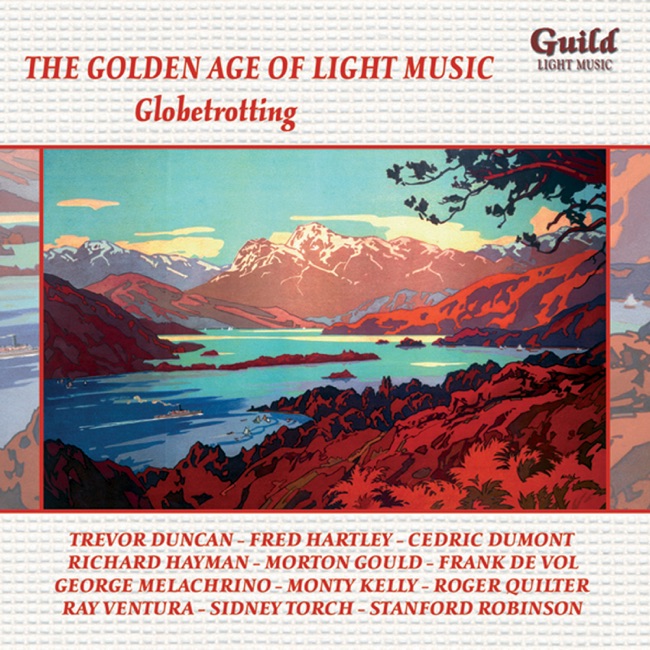 July 8, 2008
 -
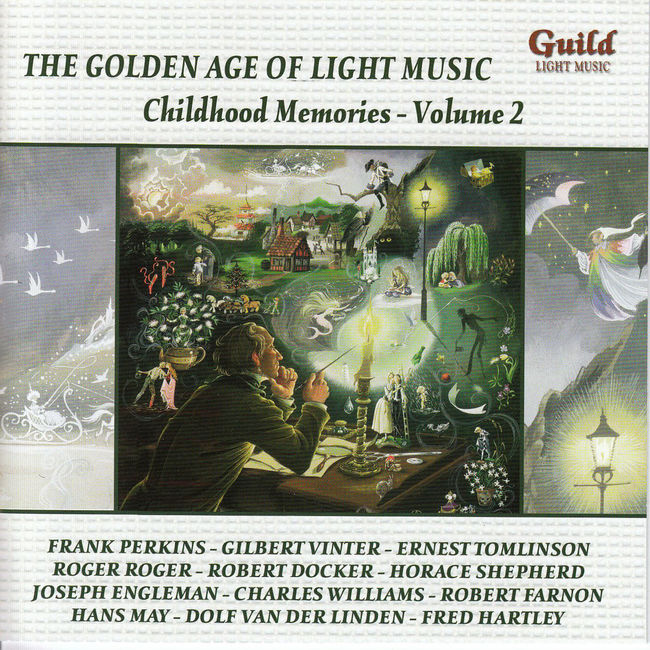 January 4, 2008
Artist Info
Role:Composer ConductorBirth:1905Death:1991Genre:FilmVocalFred Hartley was a British composer and conductor who was born on August 19, 1905, in London, England. He was the son of a music teacher and grew up in a musical family. His father, William Hartley, was a well-known conductor and composer, and his mother, Alice, was a pianist. Fred Hartley showed an early interest in music and began playing the piano at a young age. Hartley studied at the Royal Academy of Music in London, where he was a student of Sir Edward Elgar. He also studied with other notable composers, including Ralph Vaughan Williams and Gustav Holst. Hartley was a talented musician and quickly gained recognition for his compositions. In 1927, he won the prestigious Cobbett Prize for his String Quartet No. 1. Hartley's early compositions were influenced by the English pastoral style of music, which was popular in the early 20th century. His works often featured lush harmonies and melodic lines that were reminiscent of the English countryside. Some of his most notable early works include his Symphony No. 1, which was premiered in 1932, and his Piano Concerto, which was premiered in 1934. In the 1930s, Hartley began to experiment with new musical styles, including jazz and popular music. He was particularly interested in the music of the United States and spent time in New York City, where he was exposed to the latest trends in jazz and popular music. Hartley's interest in these new styles of music can be heard in his compositions from this period, which often featured syncopated rhythms and bluesy harmonies. One of Hartley's most famous works from this period is his Suite for Small Orchestra, which was premiered in 1936. The suite features four movements, each of which is based on a different dance style, including a foxtrot, a waltz, a tango, and a rumba. The suite was a huge success and helped to establish Hartley as one of the leading composers of his generation. During World War II, Hartley served in the British Army and was stationed in India. While there, he continued to compose music and even formed a jazz band with some of his fellow soldiers. After the war, Hartley returned to England and resumed his career as a composer and conductor. In the post-war years, Hartley continued to experiment with new musical styles and techniques. He was particularly interested in the music of the Far East and incorporated elements of Indian and Chinese music into his compositions. One of his most famous works from this period is his Symphony No. 2, which was premiered in 1951. The symphony features a unique blend of Western and Eastern musical styles and is considered one of Hartley's most innovative works. Hartley's later works were more introspective and reflective than his earlier compositions. He was particularly interested in the spiritual aspects of music and often incorporated religious themes into his works. One of his most famous works from this period is his Requiem, which was premiered in 1963. The requiem is a deeply moving work that reflects Hartley's spiritual beliefs and his love of music. Throughout his career, Hartley was known for his ability to write music that was both accessible and innovative. His compositions were often inspired by his travels and his interest in different cultures and musical styles. He was a prolific composer who wrote music for a wide range of ensembles, including orchestras, chamber groups, and jazz bands.More....
Recent Artist Music
3
3:43
Copyright Ⓒ 2013 Davinci Finger. All rights reseved
Service Terms & Policy