


Daniel Magnus Gronau
Released Album
Keyboard
-
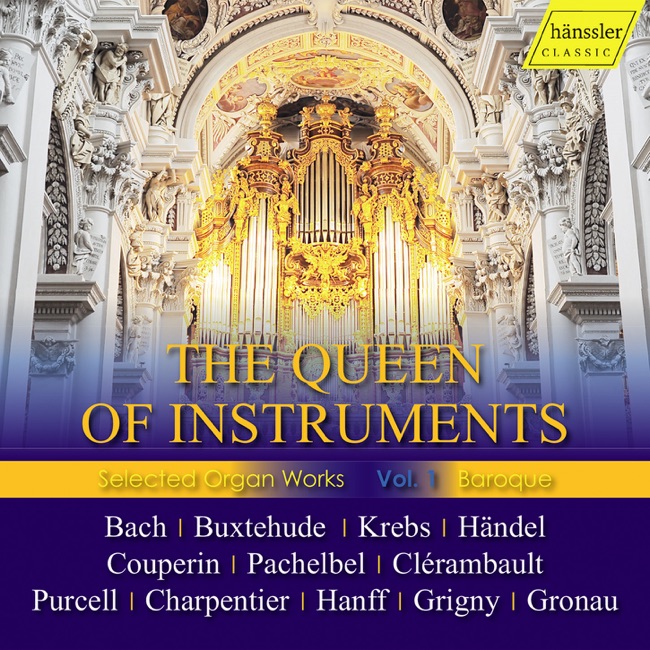 October 1, 2021
 -
 January 1, 2016
 -
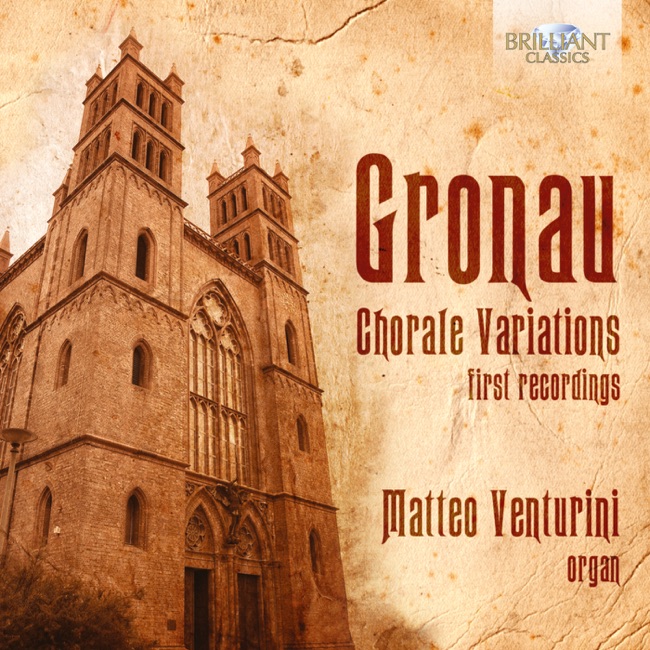 February 24, 2014
 -
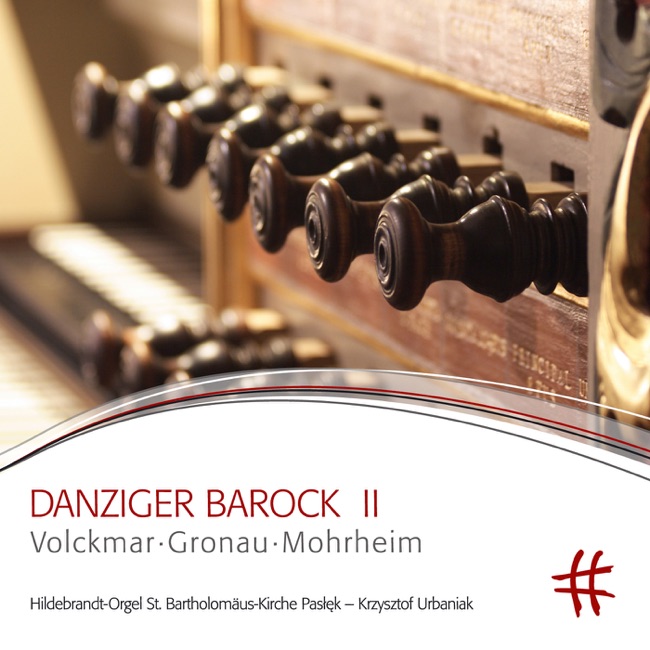
-
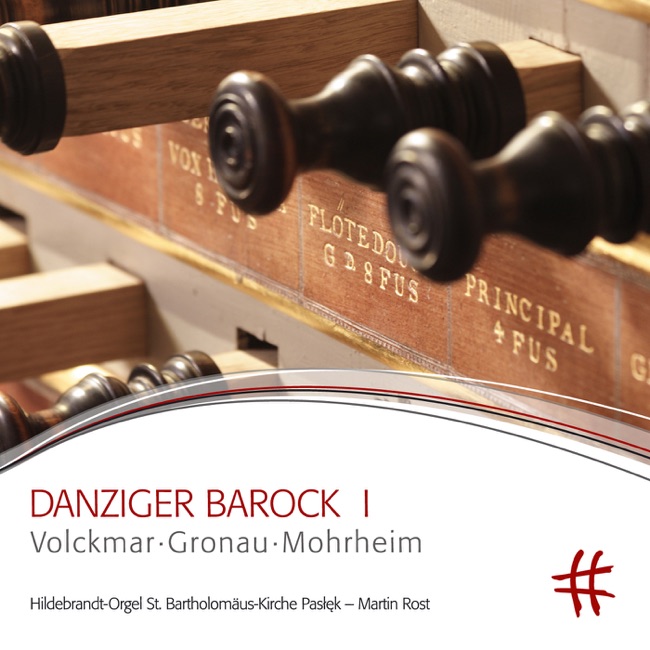
-
 August 17, 2011
Artist Info
Role:ComposerCountry: GermanyBirth:1685Death:1747Daniel Magnus Gronau was a German composer and musician who lived from 1870 to 1940. He was born in the city of Breslau, which is now known as Wrocław and is located in modern-day Poland. Gronau was the son of a music teacher and grew up in a household that was steeped in music. His father taught him to play the piano and the violin, and he showed a natural talent for both instruments from a young age. Gronau's musical education began in earnest when he was sent to study at the Leipzig Conservatory at the age of 16. There, he studied composition with Carl Reinecke and piano with Ignaz Moscheles. He was a diligent student and quickly made a name for himself as a talented composer. In 1891, he graduated from the conservatory with honors. After completing his studies, Gronau moved to Berlin, where he began to establish himself as a composer and performer. He played piano in various orchestras and gave solo recitals, which were well-received by audiences and critics alike. He also began to compose in earnest, producing a number of works for piano, chamber ensembles, and orchestra. One of Gronau's early successes was his Piano Concerto No. 1, which he composed in 1895. The concerto was premiered in Berlin the following year, with Gronau himself as the soloist. The piece was well-received and helped to establish Gronau as a composer of note. Over the next few years, Gronau continued to compose and perform, building a reputation as one of Germany's most promising young composers. In 1901, he was appointed as a professor of composition at the Berlin Conservatory, where he taught for the next 20 years. During this time, he continued to compose prolifically, producing a wide range of works in various genres. One of Gronau's most famous works is his Symphony No. 1, which he composed in 1906. The symphony is a large-scale work that showcases Gronau's skill as an orchestrator and his ability to create powerful, emotional music. The piece was premiered in Berlin in 1907 and was an immediate success, cementing Gronau's reputation as one of Germany's leading composers. Gronau's music was heavily influenced by the Romantic tradition, and he was known for his lush harmonies and sweeping melodies. He was also interested in incorporating elements of folk music into his compositions, and many of his works feature folk-inspired melodies and rhythms. In addition to his work as a composer, Gronau was also a respected music critic and wrote extensively on music theory and composition. He was a member of the Berlin Academy of Arts and was widely regarded as one of the leading figures in German music during the early 20th century. Gronau's career was cut short by the rise of the Nazi regime in Germany. As a Jew, he was forced to flee the country in 1933 and spent the rest of his life in exile in Switzerland. Despite this, he continued to compose and remained active in the musical community until his death in 1940. Today, Gronau is remembered as one of the most important composers of the early 20th century. His music is still performed and recorded, and his influence can be heard in the work of many contemporary composers. His legacy is a testament to the power of music to transcend borders and to the enduring importance of artistic expression in times of turmoil and uncertainty.More....
Recent Artist Music
5
4:44
Copyright Ⓒ 2013 Davinci Finger. All rights reseved
Service Terms & Policy