


Philip Hammond
Released Album
Keyboard
-
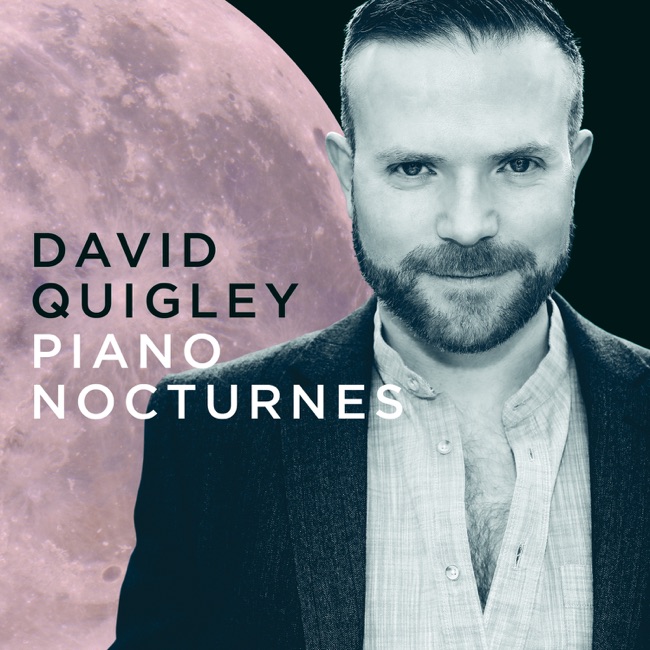 August 17, 2018
 -
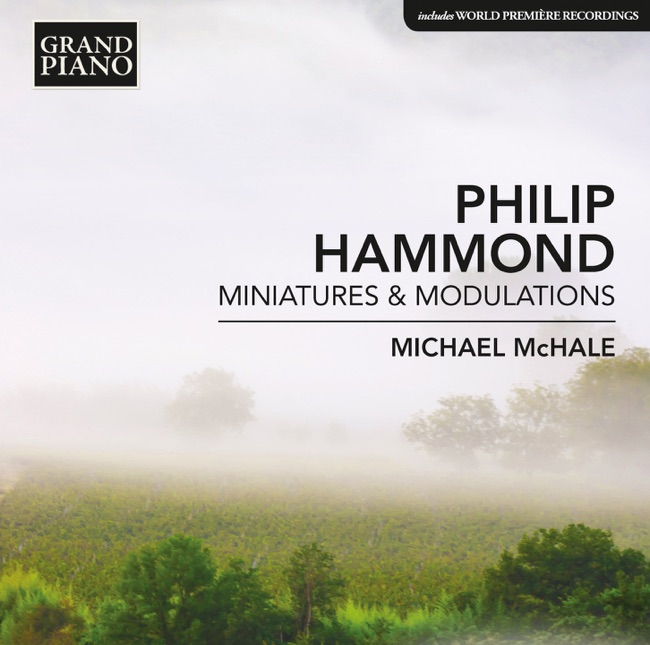 January 13, 2015
 -
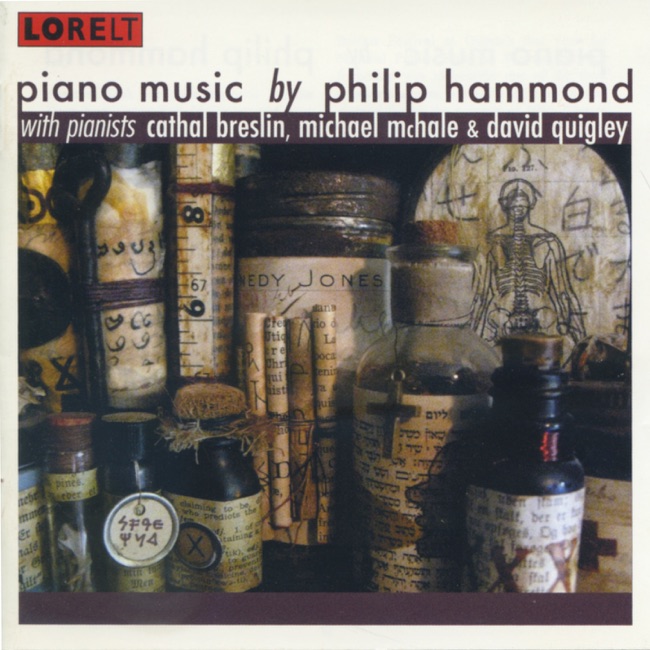 March 13, 2012
 -
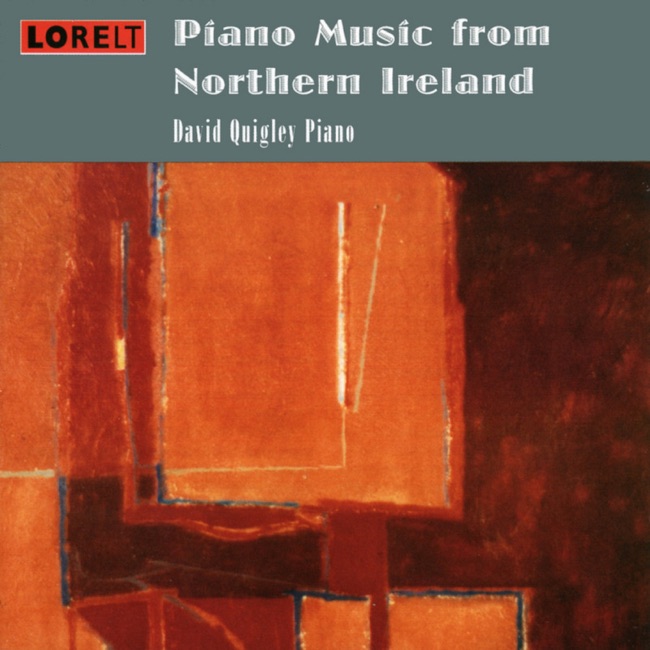 June 6, 2006
Chamber
-
 August 11, 2017
Artist Info
Role:ComposerCountry: United KingdomBirth:1951 in Northern IrelandPhilip Hammond was a British composer, born on May 12, 1951, in London, England. He was the son of a music teacher and grew up in a musical family. His father was a pianist and his mother was a singer, and they both encouraged him to pursue a career in music. Hammond began his musical education at an early age, studying piano and composition with his father. He later attended the Royal Academy of Music in London, where he studied composition with Alan Bush and piano with Gordon Green. After completing his studies, Hammond began his career as a composer, writing music for a variety of ensembles and genres. He was particularly interested in writing for the human voice, and many of his works feature vocal soloists or choirs. One of Hammond's early successes was his choral work "The Lord is My Shepherd," which was premiered by the choir of St. Paul's Cathedral in London in 1979. The piece was well-received and helped establish Hammond's reputation as a composer of choral music. Throughout the 1980s and 1990s, Hammond continued to write music for a variety of ensembles, including orchestras, chamber groups, and soloists. He also began to receive commissions from major organizations, such as the BBC and the Royal Opera House. One of Hammond's most notable works from this period is his opera "The Pied Piper," which was commissioned by the Royal Opera House and premiered in 1990. The opera is based on the famous folktale of the same name and features a libretto by the British poet Tony Harrison. The work was well-received and helped establish Hammond as a major figure in British opera. In addition to his work as a composer, Hammond was also an active educator and advocate for new music. He taught composition at the Royal Academy of Music and was a frequent guest lecturer at universities and music festivals around the world. Hammond's later works continued to explore a wide range of musical styles and genres. He was particularly interested in incorporating elements of world music into his compositions, and many of his works feature influences from African, Indian, and Middle Eastern music. One of Hammond's most notable works from this period is his "Concerto for Two Pianos and Orchestra," which was premiered by the BBC Symphony Orchestra in 2005. The work features two pianos playing in a variety of styles, including jazz, blues, and classical. Hammond's final work, "The Last Island," was premiered in 2017, shortly before his death. The work is a choral piece based on the poetry of the British writer George Mackay Brown and features a libretto by the Scottish poet Stewart Conn. The work was well-received and is considered one of Hammond's most powerful and moving compositions. Throughout his career, Hammond was known for his innovative approach to composition and his commitment to exploring new musical ideas. He was a major figure in British music and his works continue to be performed and celebrated around the world.More....


Copyright Ⓒ 2013 Davinci Finger. All rights reseved
Service Terms & Policy