


Claude Loyola Allgén
Released Album
Keyboard
-
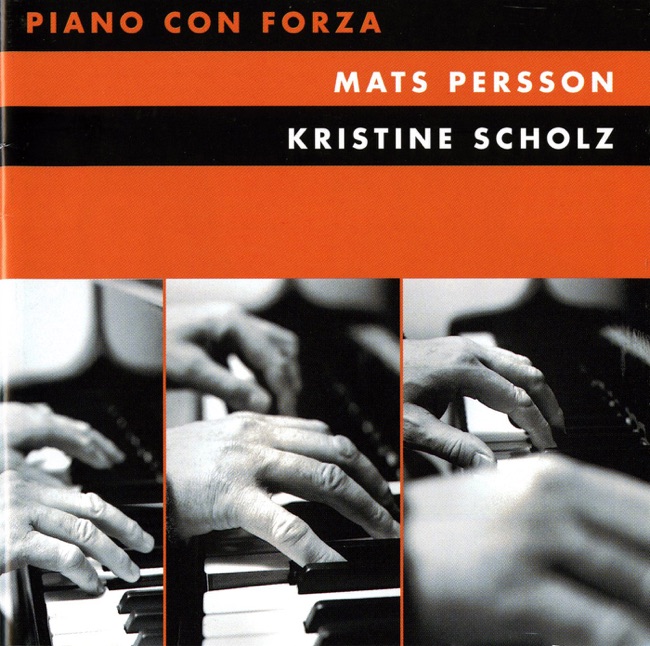 December 18, 1998
Chamber
-
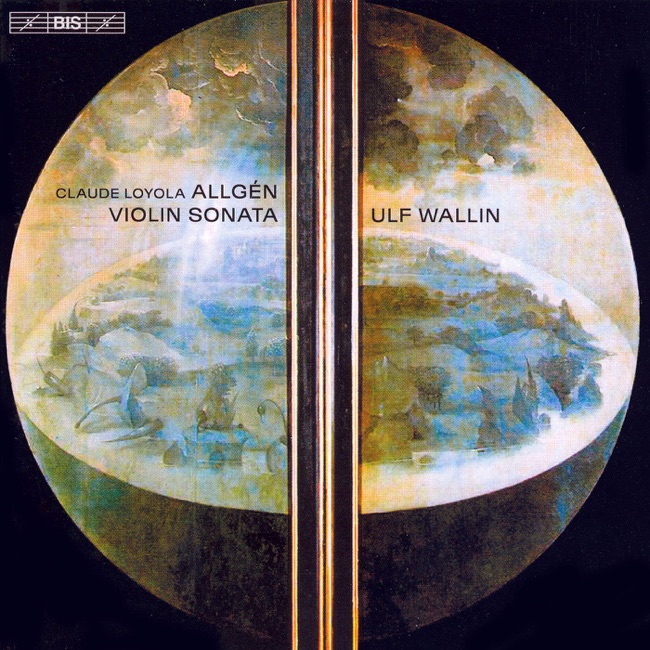 July 3, 2006
Artist Info
Role:ComposerBirth:1920Death:1990Genre:KeyboardClaude Loyola Allgén was a Swedish composer, organist, and music educator who was born on December 21, 1920, in Gothenburg, Sweden. He was the son of a Swedish mother and a Spanish father, and his family was deeply involved in music. His father was a violinist, and his mother was a pianist, and they both encouraged their son's musical interests from an early age. Allgén began his musical studies at the age of six, and he showed a particular talent for the piano and the organ. He studied at the Gothenburg Conservatory, where he was taught by the renowned composer Hilding Rosenberg. Allgén's early compositions were heavily influenced by Rosenberg's style, which was characterized by a modernist approach to harmony and form. In 1941, Allgén was appointed as the organist at the St. Pauli Church in Malmö, Sweden, a position he held for over 30 years. During this time, he also taught music theory and composition at the Malmö Music School. Allgén's teaching style was highly respected, and many of his students went on to become successful composers and musicians in their own right. Allgén's compositional output was diverse, ranging from solo piano pieces to large-scale orchestral works. He was particularly interested in exploring the possibilities of the organ as a solo instrument, and many of his most famous works are written for the instrument. One of his most well-known pieces is the Toccata for Organ, which was written in 1945 and has become a staple of the organ repertoire. Allgén's music is characterized by a unique blend of modernist and traditional elements. He was deeply influenced by the music of J.S. Bach, and his works often incorporate elements of Baroque counterpoint and harmony. At the same time, he was also interested in exploring new harmonic and rhythmic possibilities, and his music often features complex polyrhythms and dissonant harmonies. One of Allgén's most significant works is his Symphony No. 1, which was written in 1953. The piece is scored for a large orchestra and features a complex, multi-movement structure. The symphony is notable for its use of unconventional harmonies and rhythms, as well as its incorporation of Swedish folk melodies. Allgén's music was well-received during his lifetime, and he received numerous awards and honors for his work. In 1963, he was awarded the Litteris et Artibus medal by the Swedish government in recognition of his contributions to music. He was also a member of the Royal Swedish Academy of Music and the Royal Swedish Academy of Arts. Allgén continued to compose and perform music throughout his life, and he remained an active member of the Swedish music community until his death in 1990. His legacy as a composer and educator continues to be felt in Sweden and beyond, and his music remains an important part of the classical repertoire.More....
Copyright Ⓒ 2013 Davinci Finger. All rights reseved
Service Terms & Policy