


Giacomo Manzoni
Released Album
Vocal
-
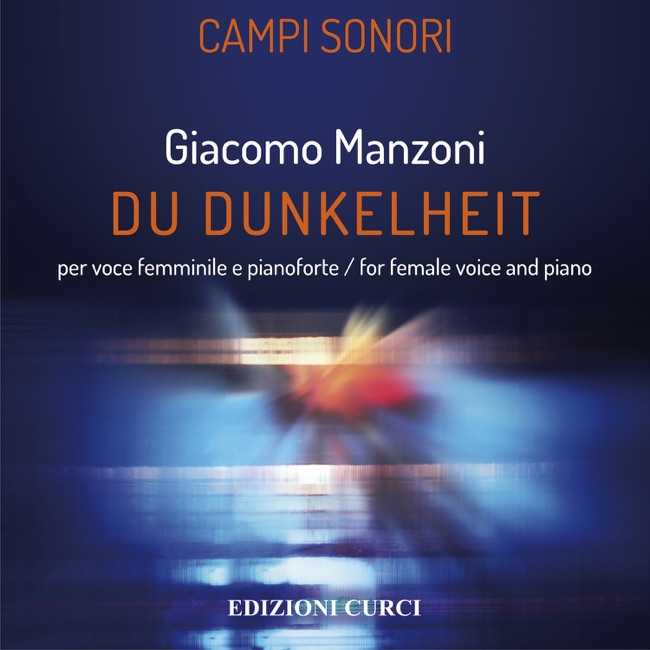 November 30, 2018
 -
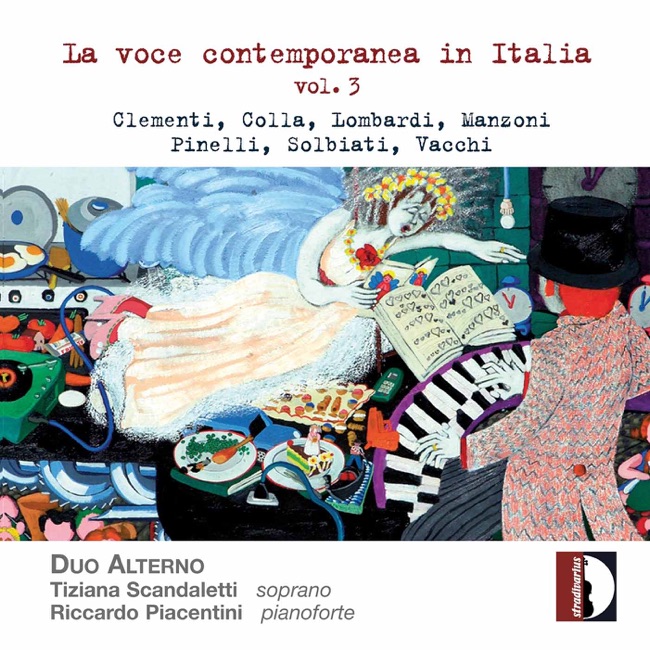 November 13, 2007
Artist Info
Role:ComposerCountry: ItalyBirth:September 26, 1932 in Milan, ItalyPeriod:ModernGenre:Avant-GardeGiacomo Manzoni was an Italian composer who was born on October 22, 1932, in Milan, Italy. He was the son of the famous Italian writer and intellectual Elio Manzoni and the grandson of the Italian novelist and poet Alessandro Manzoni. Giacomo Manzoni grew up in a family that was deeply involved in the arts, and he was exposed to music, literature, and art from a very young age. Manzoni began his musical studies at the age of six, and he showed a great talent for music from the very beginning. He studied composition with the Italian composer Bruno Maderna, who was a major influence on his musical style. Manzoni also studied conducting with the Italian conductor Carlo Maria Giulini, who was another important influence on his musical development. Manzoni's early works were heavily influenced by the avant-garde music of the 1950s and 1960s, and he was associated with the Italian avant-garde movement known as the "Nuova Consonanza." His early works were characterized by their experimental nature, their use of unconventional musical techniques, and their exploration of new soundscapes. Manzoni's breakthrough work was his "Quartetto per archi" (String Quartet), which was premiered in 1957. This work was a radical departure from traditional string quartet writing, and it was hailed as a masterpiece of the avant-garde. The work was characterized by its use of extended techniques, such as glissandi, harmonics, and pizzicato, and its exploration of new soundscapes. Manzoni continued to explore new musical territories throughout his career, and he was known for his innovative use of electronic music and his incorporation of non-musical elements into his compositions. One of his most famous works is his "Masse: omaggio a Edgard Varèse" (Mass: Homage to Edgard Varèse), which was premiered in 1966. This work was a tribute to the French composer Edgard Varèse, and it was characterized by its use of electronic music, its incorporation of non-musical sounds, and its exploration of new soundscapes. Manzoni's later works were more tonal and less experimental than his earlier works, but they still retained his innovative spirit and his commitment to exploring new musical territories. One of his most famous later works is his "Concerto per orchestra" (Concerto for Orchestra), which was premiered in 1984. This work was characterized by its use of tonal harmonies, its incorporation of folk music elements, and its exploration of new soundscapes. Manzoni was also a respected conductor, and he conducted many of his own works as well as the works of other composers. He was the principal conductor of the Orchestra Sinfonica Nazionale della RAI from 1972 to 1982, and he was also the principal conductor of the Orchestra Filarmonica della Scala from 1987 to 1990. Manzoni received many awards and honors throughout his career, including the prestigious Italian music award, the Premio Abbiati, in 1985 and 1990. He was also awarded the title of "Cavaliere di Gran Croce" by the Italian government in 1992. Giacomo Manzoni died on November 3, 2011, in Milan, Italy, at the age of 79. He left behind a rich legacy of innovative and groundbreaking music that continues to inspire and challenge musicians and audiences alike.More....
Recent Artist Music
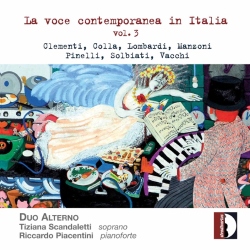
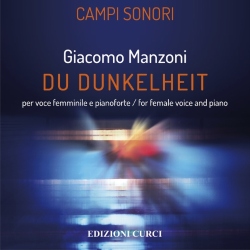
6
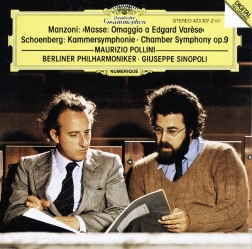
19:32
Copyright Ⓒ 2013 Davinci Finger. All rights reseved
Service Terms & Policy