


Francesca Lebrun
Released Album
Chamber
-
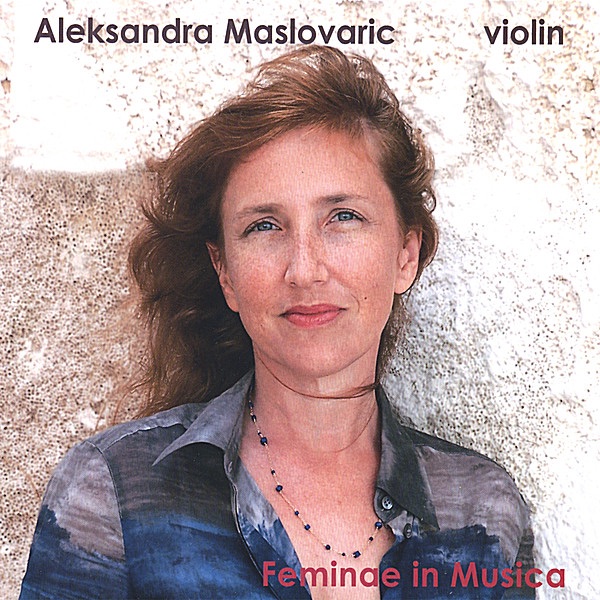 January 1, 2007
 -
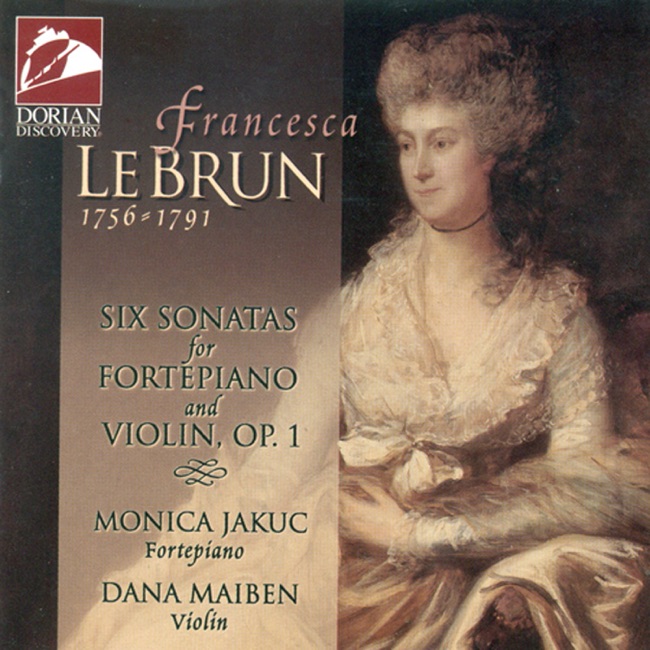 March 17, 1998
Artist Info
Role:ComposerCountry: GermanyBirth:March 24, 1756 in Mannheim, GermanyDeath:May 14, 1791 in Berlin, GermanyGenre:ChamberFrancesca Lebrun was a prominent classical music composer and performer of the late 18th and early 19th centuries. Born on March 24, 1756, in Mannheim, Germany, Lebrun was the daughter of a French horn player, Johann Georg Tromlitz, and a singer, Margarethe Danzi. Her family was musically inclined, and she received her early musical training from her father and her uncle, Franz Danzi, who was a composer and cellist. Lebrun showed exceptional talent as a musician from a young age, and she began performing in public at the age of 12. She played the violin and the harp, but her primary instrument was the flute. She quickly gained a reputation as a virtuoso performer, and she was soon invited to perform at the court of Elector Karl Theodor in Mannheim. In 1778, Lebrun married the oboist and composer Ludwig August Lebrun, who was also a member of the Mannheim court orchestra. The couple had six children, and they often performed together as a duo. Lebrun continued to perform and compose throughout her married life, and she became one of the most celebrated musicians of her time. Lebrun's compositions were highly regarded during her lifetime, and she was praised for her skillful use of the flute and her ability to write music that was both technically challenging and emotionally expressive. Her works were performed by some of the most famous musicians of the day, including the violinist Giovanni Battista Viotti and the pianist Johann Nepomuk Hummel. Lebrun's most famous works are her flute concertos, which are still performed and recorded today. Her first flute concerto, in D major, was composed in 1784 and dedicated to the Elector Karl Theodor. The concerto is a virtuosic showcase for the flute, with fast runs and intricate ornamentation. Lebrun's second flute concerto, in G major, was composed in 1786 and is considered one of her finest works. The concerto is notable for its lyrical melodies and its use of the flute's lower register. In addition to her flute concertos, Lebrun composed a number of chamber works, including sonatas for flute and piano, string quartets, and piano trios. Her chamber music is characterized by its elegant melodies and its use of counterpoint and harmonic complexity. Lebrun's music was highly regarded during her lifetime, but her reputation declined after her death in 1791. She was largely forgotten until the 20th century, when her works were rediscovered and performed by a new generation of musicians. Today, Lebrun is recognized as one of the most important female composers of the classical era, and her music continues to be performed and recorded by musicians around the world.More....
Recent Artist Music
Copyright Ⓒ 2013 Davinci Finger. All rights reseved
Service Terms & Policy