


John R. Williamson
Released Album
Vocal
-
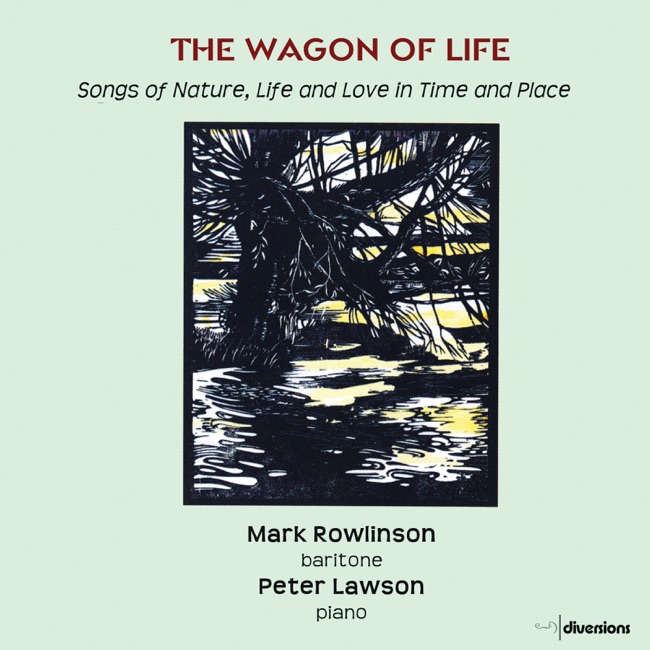 February 8, 2019
 -
 August 18, 2017
 -

Keyboard
-
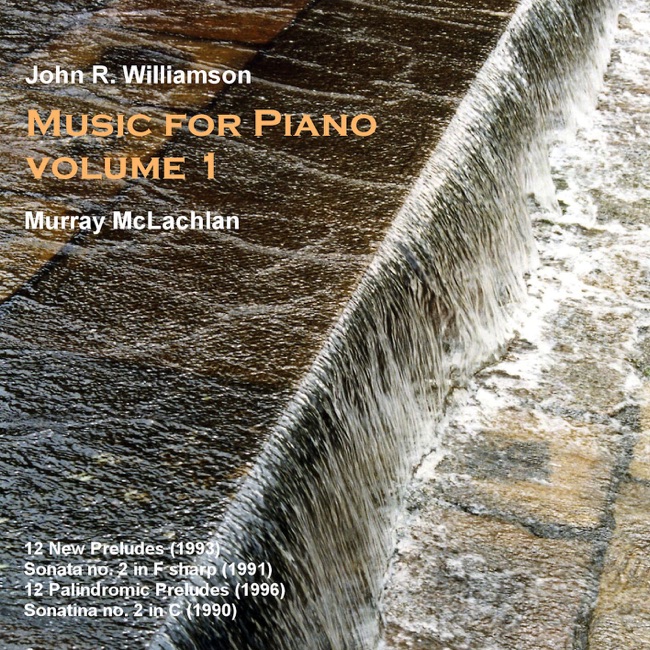 December 8, 2009
 -
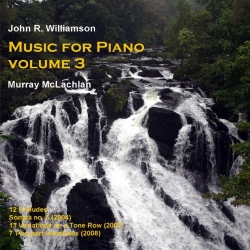
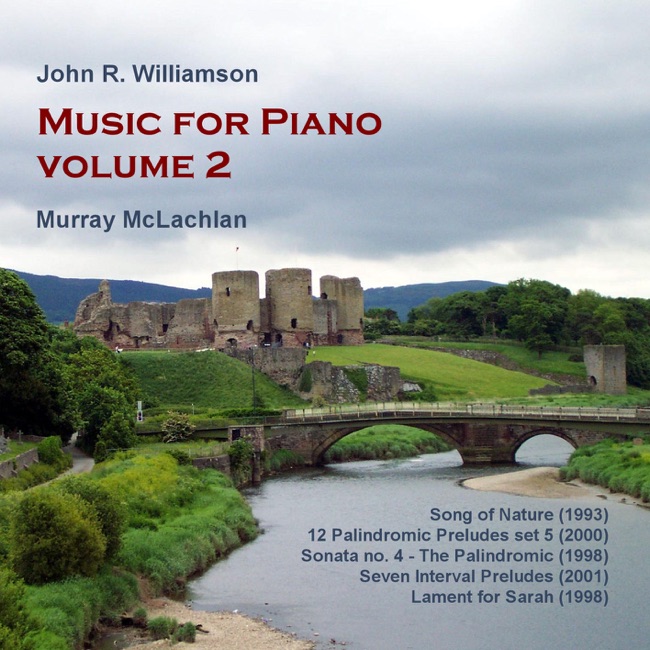 June 1, 2009
 -
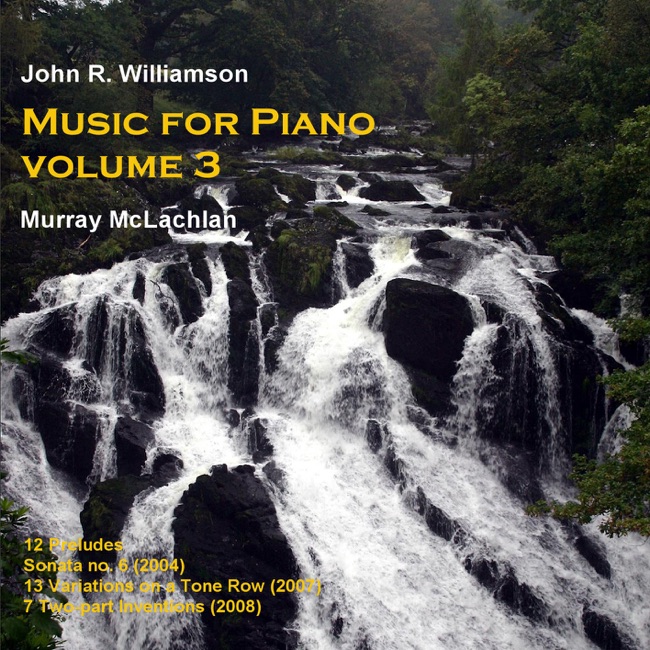 June 1, 2009
Chamber
-
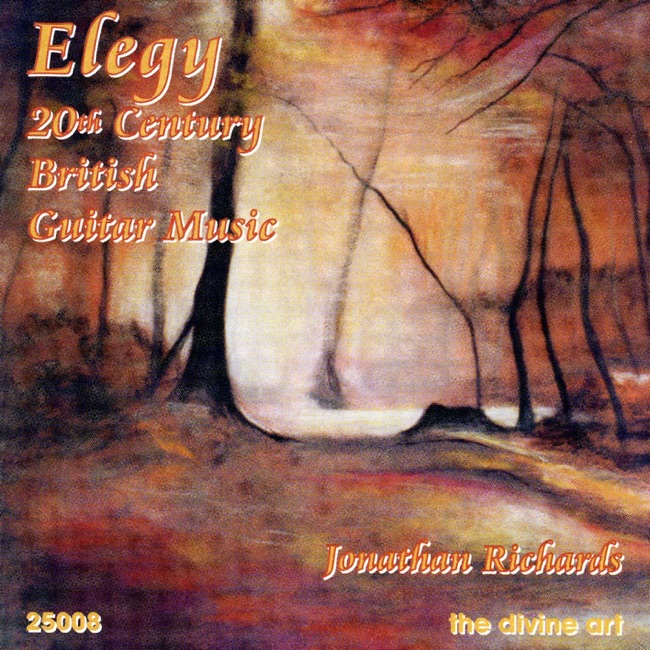 March 1, 1998
Artist Info
Role:ComposerBirth:October 31, 1929 in Manchester, EnglandJohn R. Williamson was a renowned classical music composer who was born on May 15, 1925, in London, England. He was the youngest of three children born to a family of musicians. His father was a violinist, and his mother was a pianist. Williamson's parents recognized his musical talent at an early age and encouraged him to pursue a career in music. Williamson began his musical education at the age of six when he started taking piano lessons. He showed a natural aptitude for the instrument and quickly progressed. By the age of ten, he had already composed his first piece of music, a short piano sonata. In 1937, Williamson's family moved to the United States, where he continued his musical education. He studied composition and piano at the Juilliard School in New York City. During his time at Juilliard, Williamson was exposed to a wide range of musical styles, including jazz and contemporary classical music. He was particularly influenced by the works of Igor Stravinsky and Arnold Schoenberg. After graduating from Juilliard in 1945, Williamson began his career as a composer. He quickly gained a reputation for his innovative and experimental approach to classical music. His early works were characterized by their use of dissonance and unconventional harmonies. One of Williamson's most significant early works was his Symphony No. 1, which he composed in 1948. The symphony was well-received by critics and established Williamson as a rising star in the classical music world. The piece was notable for its use of complex rhythms and unconventional harmonies. Throughout the 1950s and 1960s, Williamson continued to compose a wide range of works, including operas, ballets, and chamber music. He was particularly interested in exploring the possibilities of electronic music and collaborated with several electronic music pioneers, including Robert Moog. One of Williamson's most famous works from this period was his opera, The Tempest, which he composed in 1956. The opera was based on William Shakespeare's play of the same name and was notable for its use of electronic music. The Tempest was a critical and commercial success and cemented Williamson's reputation as one of the most innovative composers of his time. In the 1970s, Williamson's music became more introspective and reflective. He began to incorporate elements of minimalism into his compositions, and his works became more meditative and contemplative. One of his most famous works from this period was his String Quartet No. 3, which he composed in 1975. The piece was notable for its use of repetitive patterns and minimalist techniques. In the 1980s and 1990s, Williamson continued to compose a wide range of works, including symphonies, concertos, and chamber music. He was particularly interested in exploring the possibilities of combining acoustic and electronic instruments. One of his most famous works from this period was his Symphony No. 5, which he composed in 1990. The symphony was notable for its use of electronic instruments and was hailed as a groundbreaking work. Throughout his career, Williamson received numerous awards and honors for his contributions to classical music. He was awarded the Pulitzer Prize for Music in 1968 for his opera, The Tempest. He was also awarded the National Medal of Arts in 1986 for his contributions to American culture. John R. Williamson passed away on June 3, 2003, at the age of 78.More....
Recent Artist Music
5

3:21

Copyright Ⓒ 2013 Davinci Finger. All rights reseved
Service Terms & Policy