


Michelangelo Falvetti
Released Album
Opera
-
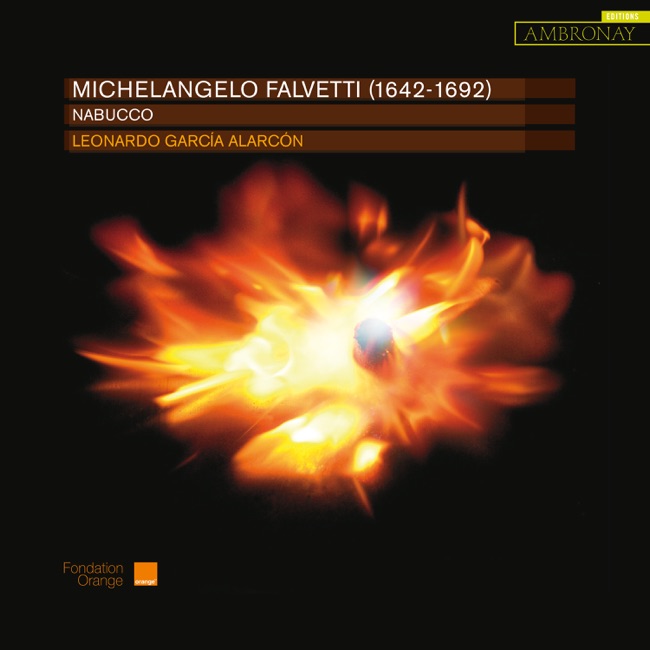 September 27, 2013
Choral
-
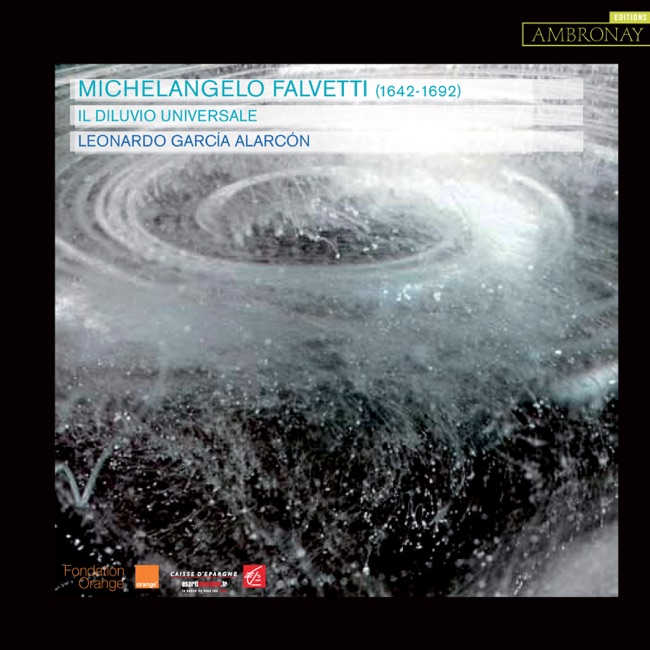 October 3, 2011
Artist Info
Role:ComposerBirth:1642Death:1692Michelangelo Falvetti was a prominent Italian composer of the Baroque era, known for his contributions to sacred music. He was born in Palermo, Sicily in 1642, and little is known about his early life and musical training. However, it is believed that he received his education at the Conservatorio della Pietà dei Turchini in Naples, where he studied under the tutelage of Francesco Provenzale. Falvetti's career as a composer began in the early 1670s, when he was appointed as the maestro di cappella at the Cathedral of Monreale, a position he held until 1682. During this time, he composed a number of sacred works, including masses, motets, and psalms, which were performed at the cathedral and other churches in the region. In 1682, Falvetti moved to Messina, where he was appointed as the maestro di cappella at the Cathedral of Messina. He held this position until his death in 1692, and during this time, he composed some of his most significant works. One of Falvetti's most notable compositions is his oratorio Il Diluvio Universale (The Universal Flood), which was first performed in Messina in 1682. The oratorio tells the story of the biblical flood, and features arias, recitatives, and choruses. The work was well-received and was performed in other cities throughout Italy. Another significant work by Falvetti is his oratorio Nabucco, which was first performed in Messina in 1683. The oratorio tells the story of the Babylonian king Nebuchadnezzar and his conquest of Jerusalem. Like Il Diluvio Universale, Nabucco features arias, recitatives, and choruses, and was also well-received. In addition to his oratorios, Falvetti composed a number of other sacred works, including masses, motets, and psalms. One of his most famous works in this genre is his Missa a quattro voci con violini e tromboni (Mass for Four Voices with Violins and Trombones), which was first performed in Messina in 1687. The mass features intricate vocal parts and rich instrumental accompaniment, and is considered one of Falvetti's masterpieces. Falvetti's music is characterized by its expressive melodies, intricate harmonies, and dramatic use of vocal and instrumental textures. His works often feature complex counterpoint and virtuosic instrumental solos, and are notable for their emotional intensity and theatricality. Despite his significant contributions to sacred music, Falvetti's music fell into obscurity after his death, and it was not until the 20th century that his works began to be rediscovered and performed. Today, his music is recognized as an important part of the Baroque repertoire, and is performed by ensembles and orchestras around the world. In conclusion, Michelangelo Falvetti was a prominent Italian composer of the Baroque era, known for his contributions to sacred music. His works, which include oratorios, masses, motets, and psalms, are characterized by their expressive melodies, intricate harmonies, and dramatic use of vocal and instrumental textures. Despite falling into obscurity after his death, Falvetti's music has been rediscovered and is now recognized as an important part of the Baroque repertoire.More....
Copyright Ⓒ 2013 Davinci Finger. All rights reseved
Service Terms & Policy