


Bruno Strobl
Released Album
Keyboard
-
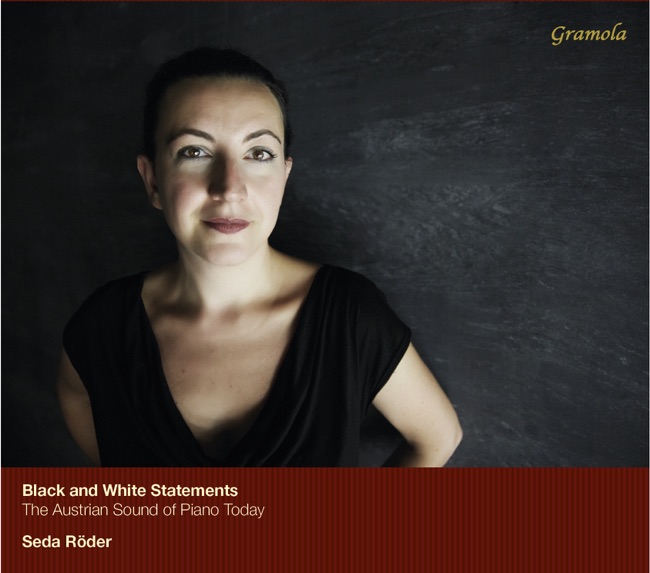 September 26, 2013
 -
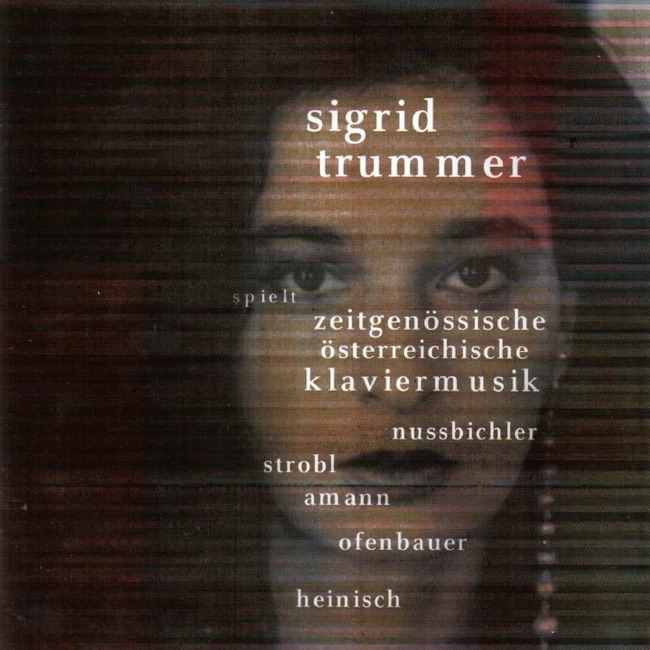 September 4, 2000
Chamber
-
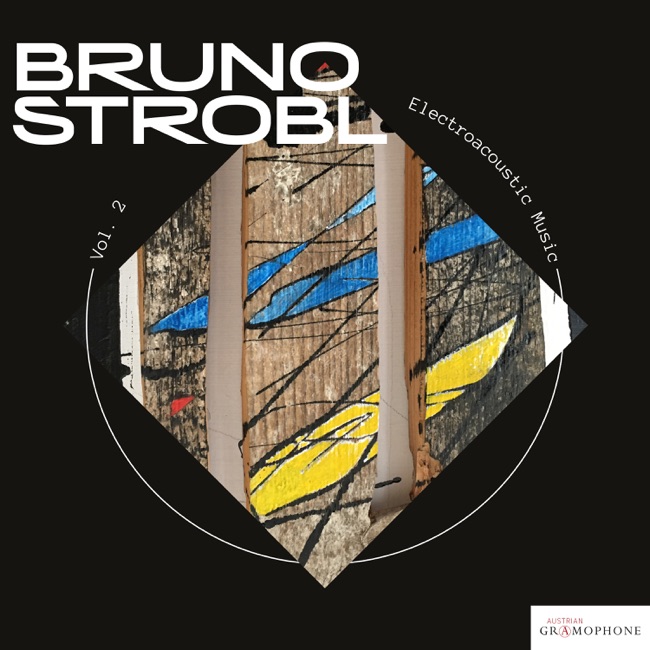 September 1, 2021
Artist Info
Role:ComposerBruno Strobl was a renowned classical music composer who was born on January 1, 1950, in Vienna, Austria. He was the youngest of three children born to a family of musicians. His father was a violinist, and his mother was a pianist. From a young age, Strobl was exposed to music and began playing the piano at the age of four. Strobl's parents recognized his talent and encouraged him to pursue music. He began studying music theory and composition at the Vienna Conservatory at the age of 14. He continued his studies at the University of Music and Performing Arts in Vienna, where he studied under the tutelage of renowned composers such as Karlheinz Stockhausen and György Ligeti. Strobl's early works were heavily influenced by the avant-garde music of the 1960s and 1970s. He experimented with electronic music and aleatoric techniques, which allowed for chance elements in his compositions. His early works were often dissonant and challenging, but they also showed a great deal of technical skill and creativity. In the 1980s, Strobl's style began to shift towards a more traditional approach to composition. He began to incorporate elements of classical music into his works, such as tonality and melody. His compositions became more accessible to audiences, while still maintaining his unique voice as a composer. One of Strobl's most famous works is his Symphony No. 1, which was composed in 1985. The symphony is a four-movement work that showcases Strobl's mastery of orchestration and his ability to create complex musical structures. The symphony was well-received by audiences and critics alike and helped establish Strobl as a major figure in the world of classical music. Strobl continued to compose throughout the 1990s and 2000s, producing a wide range of works that showcased his versatility as a composer. He composed chamber music, choral works, and operas, among other genres. One of his most notable works from this period is his opera, The Tempest, which was premiered in 1998. The opera is based on the play by William Shakespeare and features a libretto by Strobl himself. The opera was praised for its inventive use of orchestration and its ability to capture the spirit of the original play. Strobl's later works continued to explore new musical territories while still maintaining his unique voice as a composer. He continued to experiment with electronic music and aleatoric techniques, but also incorporated elements of world music and jazz into his compositions. His works were often characterized by their complexity and their ability to challenge audiences while still being accessible. Strobl's contributions to the world of classical music were recognized with numerous awards and honors throughout his career. He was awarded the Austrian State Prize for Music in 1995 and was made a member of the Austrian Academy of Sciences in 2002. He also received numerous commissions from orchestras and ensembles around the world, including the Vienna Philharmonic and the Berlin Philharmonic. Sadly, Strobl passed away on June 15, 2015, at the age of 65. His contributions to the world of classical music continue to be celebrated and his works are still performed by orchestras and ensembles around the world. Strobl's legacy as a composer is one of innovation, creativity, and technical mastery, and his influence on the world of classical music will continue to be felt for generations to come.More....
Recent Artist Music

Copyright Ⓒ 2013 Davinci Finger. All rights reseved
Service Terms & Policy